
- Florida Room Furniture: Choosing Pieces For Florida Homes
- Florida Climate Challenges That Affect Furniture Longevity
- How To Choose Furniture For Florida Homes
- Best Furniture Materials For Florida
- Solid Wood
- Oak
- Teak
- Florida Room Furniture Ideas
- Living Room Furniture
- Dining Room Furniture
- Bedroom Furniture
- Outdoor Furniture
- Coastal Florida Vs. Inland Florida Furniture
- Coastal Florida Homes
- Inland Florida Homes
- How To Create A Coastal Florida Look
- Neutral Sofas As A Foundation
- Using Blue And Natural Tones
- Using One Bold Accent Piece
- Essential Furniture Pieces For Florida Homes
- A Durable Wood Dining Table
- A Functional Media Console
- Storage-Friendly Bedroom Furniture
- Flexible Furniture For Changing Lifestyles
- How To Choose Durable Wood Furniture For Florida Homes
- Match Wood Tones With Florida Interior Styles
- Common Furniture Buying Mistakes
- How To Maintain Furniture In Florida’s Humid Climate
- Indoor Furniture Maintenance
- Outdoor Furniture Maintenance
Florida room furniture needs to handle Florida climate, sunshine, humidity, and UV exposure without sacrificing comfort. In my experience, selecting pieces around actual climate conditions creates better furniture longevity than choosing appearance alone.
Florida homes often combine an indoor-outdoor lifestyle with bright rooms, warm temperatures, and regular sunlight. That combination makes durable furniture, suitable furniture materials, and realistic furniture requirements especially important for everyday living.
In coastal locations, salt air, rain, wind, and outdoor exposure can accelerate fading, swelling, finish damage, warping, and general deterioration. Coastal homes therefore require careful furniture selection.
I also consider home interiors, coastal homes, and inland homes separately because Florida living varies significantly. Good weather-resistant furniture should complement a home’s style while supporting practical use.
The best approach balances climate performance, appearance, maintenance, and comfort. When furniture suits its environment, homeowners can enjoy attractive rooms, dependable construction, and better performance through changing Florida conditions.
Florida Room Furniture: Choosing Pieces For Florida Homes
Why Florida Homes Need Different Furniture Choices
Florida furniture experiences heat, humidity, strong sunlight, and moisture during regular household use. I have found that these conditions can quickly expose weak construction, especially when rooms connect directly with exterior spaces.
Frequent use adds another consideration because durability must work alongside comfort. Weather-resistant materials, strong furniture construction, and quality protective finishes help pieces remain attractive under demanding conditions.
For seating, breathable fabrics can improve comfort while moisture resistance helps manage humid surroundings. Both indoor furniture and outdoor furniture benefit from thoughtful material choices when exposure is unavoidable.
The goal is not simply maximum resistance. Good furniture should support long-term use, furniture longevity, everyday living, and comfortable indoor-outdoor living without making the room feel overly commercial or outdoor-focused.
Florida Climate Challenges That Affect Furniture Longevity
High humidity can contribute to wood swelling, mold, and finish problems, particularly where ventilation is limited. I always consider airflow before placing substantial wood furniture inside enclosed Florida rooms.
Strong sunlight can cause fading across upholstery and alter wood coloration. Strategic furniture placement can reduce direct exposure while preserving the room’s natural brightness.
Outdoor areas face greater weather exposure because rain, heat, and salt air work together. Quality protective finishes, UV protection, and durable upholstery can slow visible deterioration considerably.
Regular furniture maintenance remains essential even with excellent materials. Breathable fabrics, moisture resistance, and sensible placement help manage ongoing climate changes while supporting longer furniture service.
How To Choose Furniture For Florida Homes
I usually begin with durability, then examine comfort, construction quality, and climate suitability. A visually impressive piece becomes a poor investment when its construction cannot handle warm, humid conditions.
Solid construction matters particularly for frequently used seating and tables. Meanwhile, protective finishes and breathable fabrics can improve practical performance where sunlight, humidity, and moisture regularly influence furniture.
The homeowner’s routine should also determine the selection. Homeowner lifestyle, functionality, and appearance should work together rather than forcing homeowners to choose between attractive design and practical performance.
For Florida rooms, quality furniture, long-term usability, and easy maintenance usually outperform temporary trends. Good furniture performance comes from matching each piece with its location and expected daily demands.
Best Furniture Materials For Florida
The most useful furniture materials depend on exposure. Solid wood, hardwood, oak, and teak can all perform effectively when their characteristics match indoor or outdoor requirements.
For seating, upholstery, durable fabrics, and breathable fabrics offer different advantages. I consider airflow, cleaning needs, moisture behavior, and expected usage before selecting upholstery for Florida rooms.
Outdoor furniture benefits from natural materials or weather-resistant materials that tolerate moisture. Moisture resistance, humidity resistance, UV exposure, and sunlight should influence material selection.
The strongest choices combine durability, structural strength, and manageable maintenance. Considering outdoor conditions, indoor conditions, climate suitability, and furniture longevity produces more dependable results than choosing materials for appearance alone.
Solid Wood
Solid wood remains popular because of its durability, natural warmth, and long-term value. Genuine hardwood with strong joints and stable construction can serve Florida interiors effectively when properly maintained.
Quality protective finishes, visible natural grain, and careful craftsmanship create furniture that complements bright walls, large windows, and open layouts. These features work especially well in airy Florida interiors.
I often recommend wood for dining tables, coffee tables, media consoles, beds, and storage furniture. These pieces provide practical strength while keeping wood furniture connected to natural materials.
Florida humidity and sunlight still require attention. Proper furniture construction, sensible placement, and consistent furniture care help solid wood remain attractive despite environmental changes.
Oak
Oak works particularly well for durable indoor furniture because its natural grain and visible texture provide character without excessive decoration. Light oak can make bright Florida rooms feel open and relaxed.
Light oak complements modern coastal, minimalist, contemporary, and mid-century-inspired interiors. Its natural appearance provides visual warmth while maintaining a clean relationship with bright walls and open spaces.
I prefer natural oak tones when homeowners want a relaxed feeling or organic feeling. The material gives wood furniture personality without overwhelming other elements within the room.
For Florida interiors, oak combines indoor furniture durability with a natural finish. It works especially well in bright interiors where a restrained Florida style needs warmth without heaviness.
Teak
Teak is particularly valuable for outdoor furniture because its natural oils provide useful moisture resistance and weather resistance. These qualities make it practical for exposed Florida environments.
Its resistance to cracking and decay, combined with structural strength, makes teak suitable for demanding outdoor conditions. I frequently consider it for patios, balconies, and poolside spaces.
Teak performs well during outdoor entertaining, when rain, humidity, heat, sunlight, and salt air create challenging conditions. Its natural characteristics provide useful protection against prolonged weather exposure.
Maintenance still matters. Regular cleaning, removing debris, maintaining airflow, and avoiding harsh cleaners help preserve teak. Some homeowners also use appropriate teak protectors depending on their preferred appearance.
Florida Room Furniture Ideas
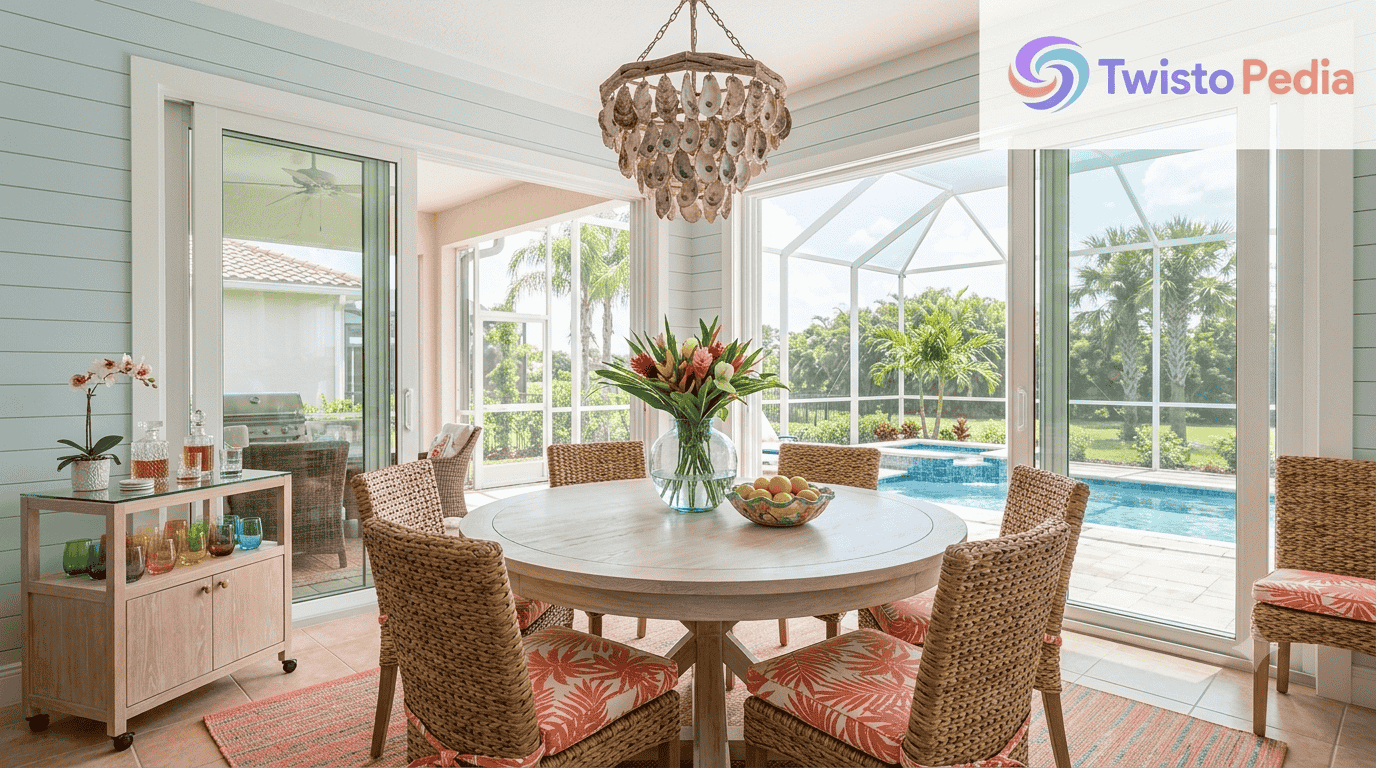
A Florida room should feel like a genuine living space, not simply an enclosed patio. I prefer comfortable furniture, durable furniture, and practical pieces that support indoor-outdoor living.
Coastal style works naturally with natural materials, light colors, and neutral tones. Natural wood and breathable upholstery can create a relaxed setting without compromising everyday functionality.
A useful arrangement includes functional furniture, adequate storage, comfortable seating, practical tables, and carefully chosen accent pieces. Open layouts benefit from pieces that maintain clear circulation.
Bright interiors, a relaxed atmosphere, and a subtle coastal aesthetic make the room inviting. Furniture should support everyday living rather than becoming decoration that restricts movement.
Living Room Furniture
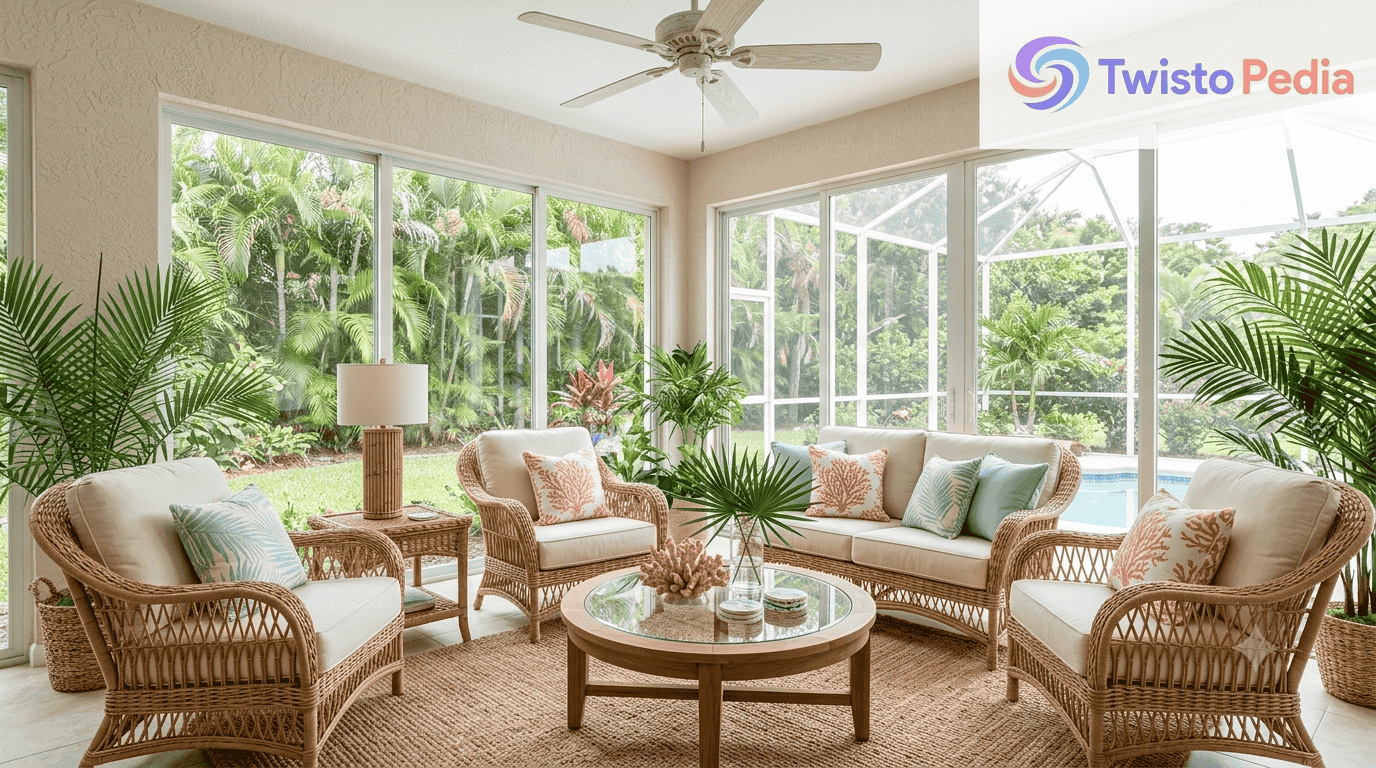
Living room furniture should make a Florida living room comfortable without blocking natural light. A comfortable living room with a bright space and relaxed atmosphere usually benefits from a functional layout.
A neutral sofa in cream, sand, or soft white creates a flexible coastal foundation. Light wood and soft blue accents can add character while maintaining an airy appearance.
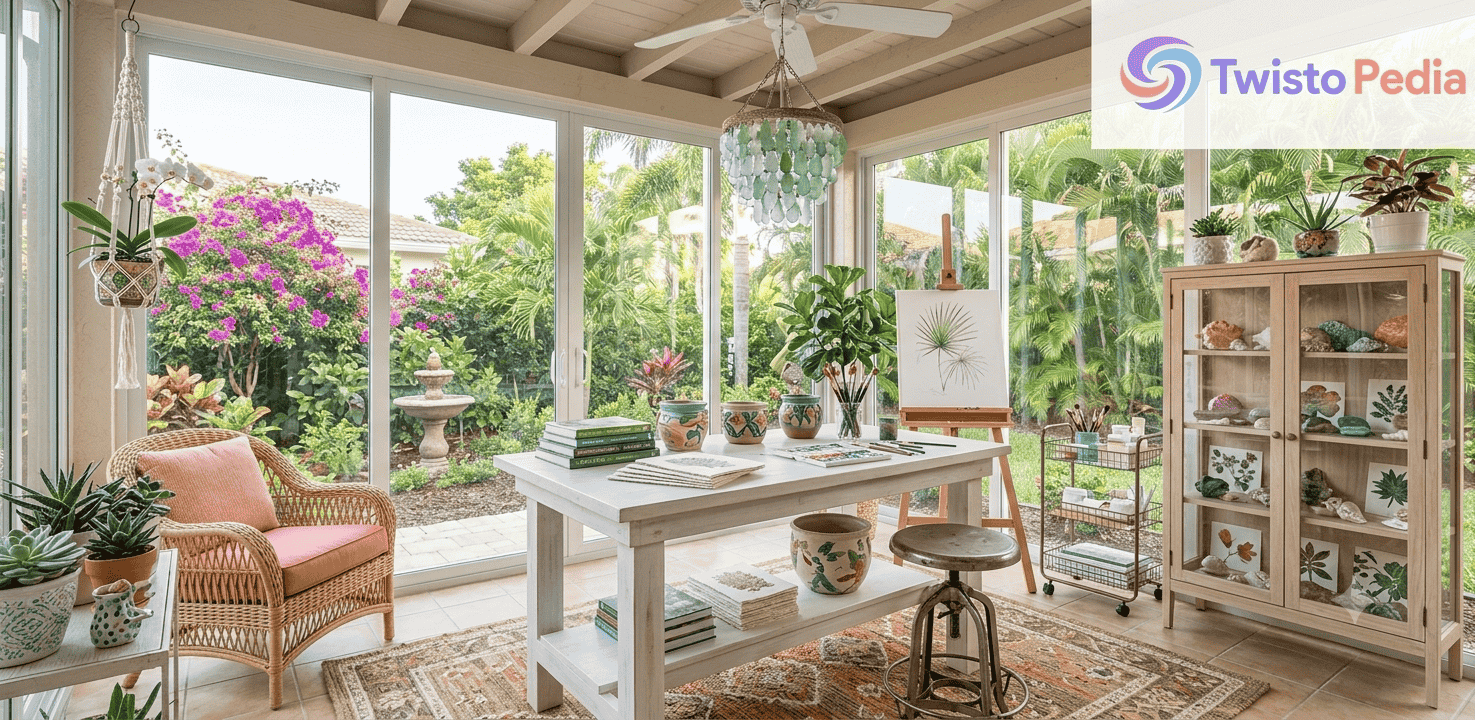
I pay close attention to durable upholstery and breathable upholstery, especially where UV exposure and direct sunlight affect furniture. Proper furniture placement can reduce unnecessary exposure.
Natural wood, storage, a coffee table, and a media console provide practical structure. Accent seating, coastal design, an open layout, and natural textures complete the room without clutter.
Dining Room Furniture
Dining room furniture should accommodate both everyday meals and family gatherings. A sturdy dining table can become the central piece while supporting entertaining and regular household routines.
A solid wood table, especially oak, provides durable construction and a natural appearance. Light wood with white seating can reinforce a relaxed coastal aesthetic without excessive decoration.
An extendable dining table provides flexible sizing when additional guests arrive. Comfortable proportions remain important because dining furniture should work equally well during quick meals and larger gatherings.
Easy maintenance improves long-term usability, particularly in an active Florida home. A natural finish, visible wood grain, and appropriately sized dining space can create lasting visual appeal.
Bedroom Furniture
Bedroom furniture should create a calm bedroom while keeping the space practical. A comfortable bedroom benefits from an organized arrangement where furniture supports sleep, storage, and everyday movement.
A solid wood bed, nightstands, dressers, and storage furniture provide stable construction. These pieces can handle regular use while maintaining a cohesive appearance in humid Florida environments.
In a humid environment, light wood tones and natural finishes can reinforce a relaxed Florida aesthetic. I prefer furniture that makes personal belongings easy to organize.
Seasonal belongings need accessible storage, while clean spaces and open spaces improve usability. Practical bedroom storage, durable furniture, and wood furniture can maintain a comfortable environment.
Outdoor Furniture
Outdoor furniture must survive Florida outdoor spaces where patio furniture, patios, balconies, and pool areas experience demanding weather. These areas often support outdoor entertaining throughout much of the year.
Rain, humidity, heat, and intense sunlight can quickly expose poor material choices. Salt air adds another concern near coastal properties, making weather-resistant furniture particularly valuable.
I favor durable seating, outdoor dining tables, and easy-care surfaces. Teak furniture remains useful because its moisture resistance, natural oils, and structural strength support demanding exterior environments.
Regular maintenance includes checking cushions, encouraging airflow, removing moisture, and applying suitable protective treatments. These habits reduce cracking, decay, and other effects of prolonged weather exposure.
Coastal Florida Vs. Inland Florida Furniture
Coastal Florida and inland Florida require slightly different furniture strategies because local climate conditions affect material performance. Coastal properties generally face more intense salt and moisture exposure.
Near the coast, salt air, moisture, strong winds, heat, and outdoor living can increase coastal exposure. Durable furniture with natural finishes and weather-resistant materials is especially useful.
I often recommend light wood, soft blue accents, linen, and organic textures for coastal settings. Family-friendly furniture, practical storage, and comfortable seating can keep the design relaxed.
Large sofas and solid wood dining tables work in both environments. Oak furniture can be particularly useful indoors where homeowners want durability without unnecessary weather exposure.
Coastal Florida Homes
Coastal Florida homes experience salt air, higher moisture exposure, and strong winds. Because outdoor living is common, furniture selection should account for both visual style and demanding environmental conditions.
Teak outdoor furniture provides useful resistance, while solid wood interiors can create continuity between indoor and exterior areas. Moisture-resistant fabrics also improve practical performance.
For styling, natural finishes, light wood, soft blue accents, linen, and organic textures create understated coastal styling. These choices feel connected to the environment without excessive beach decoration.
Weather resistance, humidity, rain, and sunlight still matter regardless of appearance. Combining suitable outdoor furniture, indoor furniture, and natural materials creates a more cohesive coastal home.
Inland Florida Homes
Inland Florida homes generally experience less salt exposure, although heat and humidity remain significant. Furniture therefore needs climate awareness even when direct coastal conditions are absent.
Comfortable indoor spaces benefit from family-friendly durability, large sofas, solid wood dining tables, and functional storage. These pieces support regular household activity without excessive maintenance.
Bedroom furniture and oak furniture can provide durable wood performance for inland interiors. Indoor living allows homeowners more flexibility because furniture faces less direct marine exposure.
I prioritize furniture longevity, everyday use, and climate suitability when selecting pieces. Practical furniture and comfortable interiors usually create better long-term results than decorative pieces chosen without considering performance.
How To Create A Coastal Florida Look
A coastal Florida look does not require excessive beach decorations. Coastal design can remain sophisticated by combining light colors, neutral colors, white, cream, sand, and soft blue.
Washed denim and sea-glass tones introduce subtle color, while natural wood and light wood provide warmth. Jute, rattan, and linen can introduce tactile interest without overwhelming the room.
Woven textures and organic textures support a relaxed style, while sophisticated design depends on restraint. I prefer restrained decoration over rooms filled with beach-themed objects.
A beach-inspired style can use carefully selected coastal accents and natural materials. Airy interiors become more convincing when furniture, lighting, color, and texture work together rather than competing.
Neutral Sofas As A Foundation
A neutral sofa is one of the most flexible choices for Florida interiors. Cream sofas, sand sofas, and soft white sofas provide a dependable living room foundation for changing styles.
A neutral base allows accent pillows, artwork, and coastal personality to change seasonally. This approach makes seasonal style easier to manage without replacing major furniture.
Neutral colors and natural tones also create comfortable seating that works with durable upholstery. Breathable upholstery can improve practical comfort in a Florida living room.
I usually consider furniture arrangement before adding decorative elements. A flexible foundation makes it easier to introduce color, artwork, and coastal details while maintaining a balanced room.
Using Blue And Natural Tones
Blue, especially soft blue, chambray, washed denim, and sea-glass tones, can introduce coastal color without making a room feel themed. These shades work naturally with white and wood.
Natural wood and woven textures reinforce the connection between coastal furniture and natural materials. I prefer limited accent colors because they preserve a relaxed atmosphere.
An airy interior benefits from a sophisticated coastal design rather than excessive decoration. A deliberate combination of light tones can make smaller Florida rooms appear more open.
An intentional color palette provides consistency across furniture, walls, textiles, and accessories. Soft colors can create visual continuity while allowing natural materials to remain the dominant feature.
Using One Bold Accent Piece
A bold accent piece can give a Florida room personality without requiring major changes. A statement chair, artwork, or distinctive accent furniture can become the room’s focal point.
I prefer one strong element rather than many competing objects. A coastal theme becomes more sophisticated when coastal decoration remains restrained and carefully positioned.
Beach-related decoration such as seashells, starfish, and coral can work when used sparingly. Excessive decoration often weakens sophisticated design and makes the space feel overly themed.
A statement chair or artwork can establish personality while supporting the focal point. In a living room or coastal interior, decorative accents should complement furniture rather than dominate it.
Essential Furniture Pieces For Florida Homes
Essential furniture should address the practical needs of a Florida home. A durable wood dining table, functional media console, and bedroom storage furniture can cover several daily requirements.
Furniture construction and durability should support storage and regular use. A media console may also provide cable management and electronics storage without creating visual clutter.
Dining furniture and bedroom furniture should accommodate everyday use, seasonal storage, household needs, and changing lifestyles. I prefer pieces that remain useful when routines change.
Practical furniture should remain comfortable and climate suitable. Choosing adaptable pieces creates a home that supports entertaining, storage, work, relaxation, and everyday household activities.
A Durable Wood Dining Table
A durable wood dining table should begin with solid construction and stable materials. Quality protective finishing can improve its ability to handle regular meals and changing household routines.
Flexible sizing is valuable when an extendable dining table needs to accommodate family gatherings or larger gatherings. Additional guests should not require homeowners to replace the entire table.
Natural wood, oak, and visible wood grain provide lasting visual appeal. The dining space should also allow enough circulation around chairs for comfortable everyday movement.
Durability, furniture longevity, and easy maintenance make a dining table more useful. A well-built table can remain central to family routines while adapting to different occasions.
A Functional Media Console
A functional media console should organize electronics without overwhelming the room. Good electronics storage and cable management keep entertainment areas visually cleaner and easier to maintain.
Durable construction matters because media furniture often supports equipment for many years. Oak and natural wood can introduce warmth while remaining compatible with bright living rooms.
In an open-concept living room, the console should support storage without creating a visual barrier. Its proportions should suit the entertainment area and surrounding furniture.
Furniture organization becomes easier when practical design guides the selection. A durable media console should provide useful storage while maintaining a consistent relationship with the room’s overall style.
Storage-Friendly Bedroom Furniture
Storage-friendly bedroom furniture can reduce clutter without making the room feel crowded. Nightstands, dressers, and cabinets provide practical places for personal belongings and everyday belongings.
Seasonal belongings require additional organization, especially when homeowners prefer clean spaces and open spaces. Compact furniture can work effectively in smaller rooms.
Larger homes may allow more generous storage, while coastal condos often require careful bedroom storage planning. Space should be used vertically where appropriate without reducing movement.
Functional furniture should combine durability with space efficiency. A well-planned bedroom can accommodate personal items while preserving comfortable circulation and a calm visual environment.
Flexible Furniture For Changing Lifestyles
Flexible furniture becomes valuable when households change. Extendable dining tables, multipurpose storage, and adaptable seating can accommodate families, seasonal residents, and remote workers.
Changing lifestyles often alter household needs. Flexible design allows the same furniture to support working, entertaining, dining, relaxing, and storage without constant replacement.
Practical furniture should also support multifunctional furniture requirements. Space efficiency becomes particularly important when one room performs several roles throughout the week.
I prefer furniture that adapts naturally rather than relying on complicated mechanisms. Everyday use, entertaining, and storage solutions should remain straightforward and comfortable.
How To Choose Durable Wood Furniture For Florida Homes
When selecting durable wood furniture, I look first at solid wood construction, strong joints, and overall stability. These details often reveal more than appearance alone.
Quality protective finishes can help furniture handle natural grain movement, humidity changes, minor spills, and daily wear. Craftsmanship remains important because construction determines long-term performance.
Sunlight exposure and direct sunlight can affect wood finishes, so placement matters. Gentle cleaning helps protect surfaces without unnecessarily removing protective layers.
Proper furniture care and furniture maintenance support durable construction. When these habits become routine, wood furniture can provide stronger long-term value.
Match Wood Tones With Florida Interior Styles
Light oak works especially well with modern coastal and minimalist interiors. Natural wood can also complement mid-century modern and transitional interiors when the finish remains appropriately restrained.
Dark wood may suit luxury interiors and contemporary interiors where richer contrast is desirable. The decision should depend on existing walls, flooring, lighting, and furniture proportions.
Natural grain gives different wood tones visual depth. I usually avoid mixing too many unrelated finishes because consistent wood tones create stronger interior design continuity.
Florida interior styles can range from coastal interiors to warm interiors and relaxed interiors. Furniture finishes should support the desired atmosphere while respecting natural materials.
Common Furniture Buying Mistakes
One common mistake involves choosing style before climate performance. Cheap furniture may look attractive initially but can become unsuitable when humidity, sunlight exposure, or weak construction affects performance.
Ignoring storage requirements can also create problems. Unsuitable materials, weak joints, low-quality furniture, and damaged finishes often become expensive when replacement is required.
I also look for warping and limited repairability before purchasing. Furniture should be evaluated for durability rather than judged entirely by showroom appearance.
Furniture quality, long-term value, maintenance, and construction quality deserve equal consideration. A climate-aware purchase usually costs less over time than repeatedly replacing unsuitable pieces.
How To Maintain Furniture In Florida’s Humid Climate
Good furniture maintenance begins with understanding Florida humidity. A humid climate makes ventilation, cleaning, and airflow especially important for both indoor furniture and outdoor furniture.
Wood surfaces should be cleaned appropriately, while direct sunlight and spills should receive prompt attention. Wood finishes and upholstery also benefit from consistent care.
Outdoor furniture care includes removing debris, managing cushions, allowing rainwater to drain, and ensuring adequate drying. Protective treatments can provide additional assistance when appropriate.
Moisture, humidity, and sunlight cannot always be avoided, but they can be managed. Consistent care supports furniture longevity and reduces preventable environmental damage.
Indoor Furniture Maintenance
Indoor furniture benefits from good ventilation and steady airflow. These conditions help reduce excessive moisture around wood surfaces and upholstered pieces in enclosed Florida rooms.
Gentle cleaning should remove dust without damaging finishes. Direct sunlight and spills require attention because prolonged exposure can affect wood finishes and upholstery care.
Humidity and moisture should be monitored around furniture protection areas. Where sunlight exposure is strong, rearranging furniture can reduce unnecessary surface stress.
Regular maintenance supports furniture longevity. Climate control, clean surfaces, sensible placement, and consistent care together create a more stable environment for indoor furniture.
Outdoor Furniture Maintenance
Outdoor furniture requires more frequent attention because dirt, debris, cushions, rain, and drying cycles affect performance. Mild cleaning solutions can remove buildup without unnecessarily damaging surfaces.
Protective treatments may help selected materials, while airflow reduces trapped moisture. Humidity, heat, sunlight, and weather exposure should all be considered during routine maintenance.
Teak furniture can benefit from appropriate outdoor maintenance, particularly on patios, balconies, and poolside furniture areas. Regular cleaning helps prevent accumulated debris from affecting appearance.
Furniture protection ultimately depends on consistent habits. Maintaining weather resistance, drying cushions, and removing moisture promptly can significantly improve the practical lifespan of exterior furniture.
What Furniture Is Best For A Florida Room?
Florida room furniture should prioritize durable furniture, weather-resistant furniture, solid wood, teak, or oak where appropriate. Breathable upholstery can improve comfort, while moisture resistance and humidity resistance support longer use.
UV exposure and sunlight should influence placement, especially near large windows. Comfortable seating, natural materials, and indoor-outdoor living principles can create a practical coastal style.
Durable construction and easy maintenance remain important. The best furniture is not necessarily the most expensive; it is the furniture whose materials match the room’s actual exposure.
Is Solid Wood Furniture Good For Florida?
Solid wood furniture can work very well with appropriate Florida climate considerations. Natural wood, hardwood, strong joints, and stable construction provide useful durability when moisture and sunlight are managed.
A protective finish can help reduce surface damage, while natural grain and craftsmanship provide lasting visual appeal. Humidity, moisture, and sunlight should still influence placement.
Dining tables, coffee tables, media consoles, beds, and storage furniture can all benefit from solid wood construction. Regular care supports furniture longevity and maintains its appearance.
What Is The Best Wood For Outdoor Furniture In Florida?
Teak is a strong choice for Florida outdoor furniture because its natural oils provide useful moisture resistance and weather resistance. It handles rain, humidity, heat, sunlight, and salt air effectively.
Its resistance to cracking and decay, together with structural strength, makes teak suitable for patios, balconies, pool areas, and outdoor entertaining spaces.
Regular maintenance and protective treatments can support its performance. Proper cleaning, airflow, and moisture management remain important even when naturally durable wood is selected.
How Do I Protect Furniture From Florida Humidity?
Florida humidity can be managed through furniture protection, ventilation, airflow, and appropriate protective finishes. Moisture resistance is useful, but good environmental management remains equally important.
Gentle cleaning and quick spill removal help protect surfaces. Sunlight exposure and direct sunlight should also be considered when arranging furniture near windows.
Wood care, upholstery care, and outdoor furniture maintenance should become regular habits. Drying cushions and removing debris can reduce trapped moisture and support furniture longevity.
What Furniture Works Best For A Coastal Florida Home?
A coastal Florida home benefits from coastal furniture made with teak, solid wood, light wood, natural finishes, and moisture-resistant fabrics. Breathable fabrics such as linen can improve comfort.
Rattan, jute, woven textures, soft blue, white, cream, sand, and natural materials support a relaxed coastal appearance without excessive decoration.
Outdoor furniture and indoor furniture should both account for salt air and humidity. Good coastal styling combines practical materials with comfortable, durable furniture.