
Cheap solo travel Southeast Asia is realistic for travelers who prioritize hostels, local food, public transport, slower routes, and fewer expensive transfers. The region combines low living costs with strong backpacker infrastructure, making independent travel practical even for first-time solo travelers.
- Cheap Solo Travel Southeast Asia
- Why Southeast Asia Works Well for Cheap Solo Travel
- Malaysia
- Thailand
- Vietnam
- Indonesia
- Philippines
- Cambodia
- Laos
- Solo Travel Costs in Southeast Asia
- What Makes Solo Travel Cheap or Expensive?
- Budget Mistakes Solo Travelers Make
- How to Keep Solo Travel Cheap
- Accommodation and Hostel Tips
- Transportation Tips
- Group Tours vs. Traveling Completely Solo
- Safety Tips for Solo Travelers
- Food and Drinking-Water Tips
- Planning Tips for Cheap Solo Travel
- Bargaining and Responsible Travel
- Homesickness and the Solo Experience
- Additional Solo-Friendly Destinations
- Additional Budget Considerations
- Southeast Asia trip 2 weeks
- South east Asia travel route 3 months
- Travelling South East Asia route
- Best places for solo travel in southeast asia
- Top tips for traveling in southeast asia
- Frequently Asked Questions
Cheap Solo Travel Southeast Asia
Southeast Asia works particularly well for budget-conscious solo travelers because accommodation, food, transportation, and many activities can remain affordable without removing the cultural experiences that make the region attractive. The bigger budget issue is usually not the daily cost itself but the way a route is designed.
A traveler using buses, trains, ferries, hostels, guesthouses, and local restaurants can keep spending controlled. Someone moving rapidly between islands, taking domestic flights, booking private rooms, and joining frequent tours can spend several times more.
That difference makes route planning just as important as choosing a cheap destination.
The region also suits different travel styles. Thailand offers a large backpacker network and social hostels, Vietnam is particularly strong for food and value, Malaysia combines modern infrastructure with multicultural experiences, while Indonesia and the Philippines provide beaches and island activities.
For solo travelers, another advantage is flexibility. There is no need to coordinate every transportation decision, accommodation choice, or activity with a group. A traveler can spend several days in one city when costs are low and move more slowly when transportation becomes expensive.
Why Southeast Asia Works Well for Cheap Solo Travel
Southeast Asia works well for cheap solo travel because affordable street food, hostel beds, public transport, and established backpacker networks reduce many of the fixed costs that make solo trips expensive elsewhere.
A dorm bed can often be considerably cheaper than a private hotel room, while local meals may cost only a few dollars. Shared transportation, walking tours, and inexpensive attractions further reduce daily spending.
The region also provides cultural diversity within relatively manageable travel distances. A traveler can move between temples, street markets, beaches, historic neighborhoods, and natural attractions without needing a large travel budget.
English is widely encountered in tourist areas, and the established tourism infrastructure makes independent movement easier for travelers who are unfamiliar with the region.
Thailand, Vietnam, and Malaysia illustrate three different forms of value. Thailand has extensive backpacker infrastructure and social opportunities. Vietnam combines low accommodation and food costs with strong overland connections. Malaysia generally provides smoother transport and strong urban value in places such as Kuala Lumpur and Penang.
The solo premium also matters. A solo traveler cannot split a private room with another person, but hostels, guesthouses, communal spaces, and shared activities can reduce that disadvantage.
Malaysia
Malaysia is a strong option for a solo traveler who wants low costs without giving up modern infrastructure, convenient transportation, or diverse experiences.
Kuala Lumpur provides inexpensive street food, cultural neighborhoods, Chinatown, Little India, shopping, and nightlife. Penang adds George Town, UNESCO-listed heritage streets, street art, and a food culture that makes it easy to explore independently.
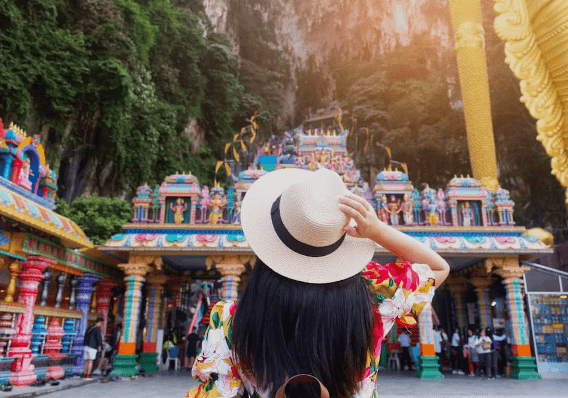
Langkawi works for travelers interested in beaches, island hopping, and duty-free shopping. Tioman Island is another option for diving, snorkeling, crystal clear water, and colorful shallow reefs.
A practical daily budget can fall around $25–$40 for budget travel, with approximately $45–$80 providing more comfort and $80–$125 allowing greater flexibility. Actual costs vary with accommodation, season, and activities.
Malaysia is particularly useful when transport efficiency matters. A traveler can combine urban destinations with islands without necessarily relying on a flight-heavy route.
Thailand
Thailand remains highly versatile for solo travel because it combines affordable hostels, night markets, cheap transport, spiritual retreats, hiking, beaches, nightlife, and a mature backpacker community.
Bangkok provides inexpensive food, markets, hostels, temples, and transport connections. Chiang Mai adds hiking, spiritual experiences, food, and digital nomad hubs. Pai provides a smaller, more relaxed alternative with waterfalls and a social atmosphere.
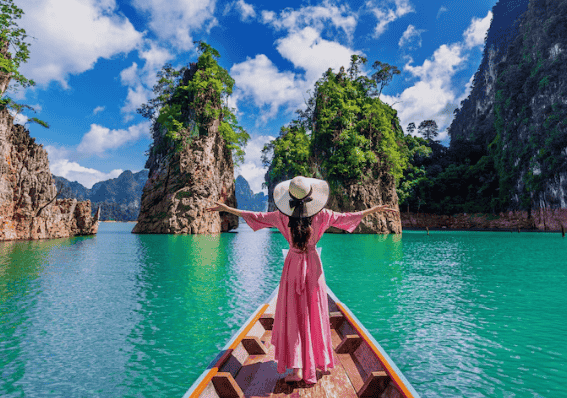
For island travel, Koh Tao, Koh Phangan, Phuket, and Koh Chang offer different versions of the Thai island experience. Koh Tao is particularly associated with diving, while Koh Phangan can suit travelers seeking social and beach-oriented experiences.
A budget range of roughly $40–$75 per day provides a useful planning baseline, while $75–$120 gives considerably more comfort. The exact amount depends heavily on season, accommodation, activities, and how frequently a traveler changes locations.
Travelers trying to reduce costs can consider the low season and less-developed destinations such as Lonely Beach or areas away from the busiest resort corridors.
Vietnam
Vietnam combines food, adventure, scenery, and strong value for money, making it especially useful for travelers who want to cover substantial ground without spending heavily.
Hanoi offers street food, cultural attractions, and access to northern destinations. Ho Chi Minh City provides vibrant nightlife, food, and an energetic urban environment. Hoi An adds an ancient town atmosphere and budget tailoring.
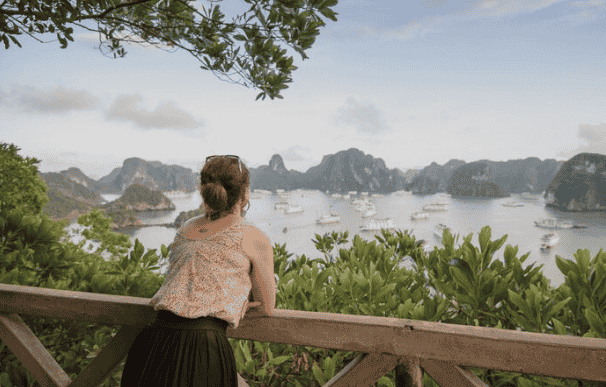
Ha Long Bay can be approached through budget boat tours, although cruise costs should be treated as a separate activity rather than assumed to represent normal daily spending.
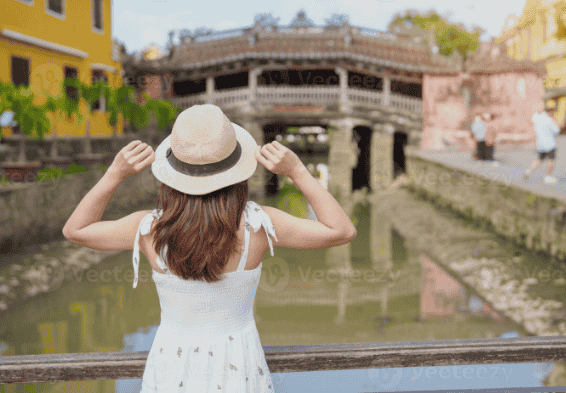
A useful budget range is approximately $35–$65 per day, with $65–$105 allowing a more comfortable travel style. Basic accommodation and hostels can sometimes be found around $8–$25, depending on location and season.
Phong Nha Ke Bang is another useful stop for travelers interested in scenery and smaller-town experiences. Motorbike travel can provide flexibility, although travelers should only ride when properly licensed, insured, and legally permitted.
Indonesia
Indonesia offers a different budget experience because costs can vary sharply between locations. Kuta Lombok, Bali, Gili Air, and Gili Trawangan can appeal to solo travelers seeking beaches, social environments, surfing, yoga, waterfalls, cafés, and underwater life.
Kuta Lombok has a laid-back surfer-town atmosphere, while Gili Air can provide a chilled-out island experience. Gili Trawangan is generally more social.
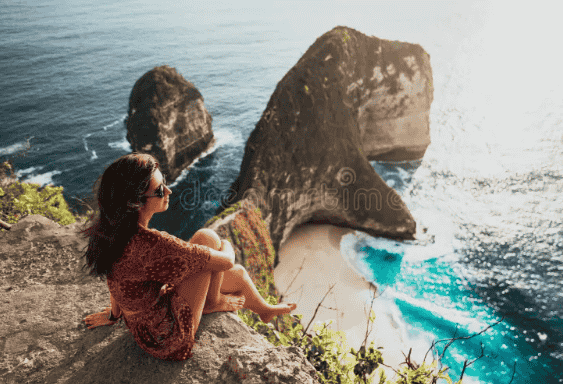
Solo travelers can join surf classes, yoga classes, waterfall tours, trekking trips, or other activities that make meeting people easier. Mana Yoga and similar local-style activities can also provide social opportunities without requiring a large group.
Java and other parts of Indonesia can provide alternatives to the more tourist-heavy islands. Travelers should remember that a cheap daily budget can become less predictable when island transfers, frequent flights, or specialized activities are added.
Philippines
The Philippines can work particularly well for solo travelers who prioritize surfing, island activities, and shared experiences.
Siargao is especially suitable for travelers interested in surfing and a social surfer-town atmosphere. Activities such as visits to Sugba Lagoon, rock pools, motorbike trips, and day excursions create natural opportunities to meet people with shared interests.
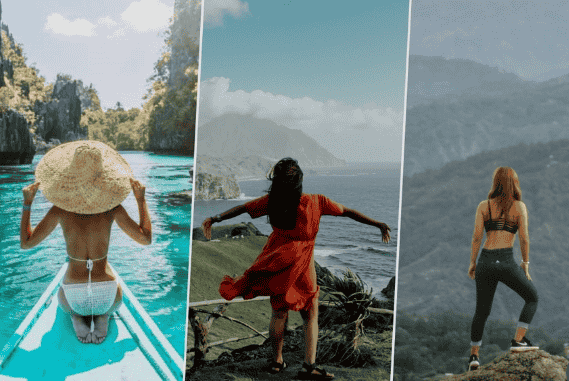
The main budget consideration is transportation. Island geography means ferries and flights can become a significant part of the total cost, especially when the itinerary includes several separate islands.
Cambodia
Cambodia combines historic attractions with social hostels and a backpacker-friendly travel environment.
Siem Reap is the obvious base for visiting Angkor Wat and its surrounding temple complex, but the town itself also has restaurants, travelers, expats, and social hostels.
The country can be particularly useful for longer journeys because travelers can move slowly rather than treating every destination as a short stop. Staying several nights in one location also creates more opportunities to meet people and reduce repeated transportation costs.
Laos
Laos suits solo travelers looking for a slower pace, cultural experiences, and social environments without the intensity of larger tourist centers.
Luang Prabang combines French and Laotian culture with distinctive architecture, food, waterfalls, sunset cruises, and access to the Mekong River.
Bars, restaurants, and group activities provide opportunities for meeting people, while a private bungalow can offer more privacy when a traveler wants to step away from hostels.
Solo Travel Costs in Southeast Asia
Solo travel costs in Southeast Asia can vary from roughly $30 per day for very careful travel to well above $100 per day for private rooms, frequent flights, tours, and expensive island activities.
| Destination | Budget Solo | Comfortable Solo |
| Vietnam | $35–$65 | $65–$105 |
| Thailand | $40–$75 | $75–$120 |
| Malaysia | $45–$80 | $80–$125 |
These figures are planning ranges rather than fixed prices. Accommodation, season, route, food choices, and transportation can change the final amount substantially.
For Vietnam, a basic room may fall around $8–$25, while food can range from inexpensive street meals to more expensive restaurants. Local transport is generally easier to control when travelers use buses, trains, and other shared options.
Malaysia can have hostel dorm beds around the RM42–$63 range, with food and public transport adding relatively manageable daily costs.
Activities are another important variable. A normal day may involve only $5–$25 in activities, whereas diving, island tours, marine activities, or organized excursions can push that figure toward $25–$60 or more.
For longer trips, the route becomes more important than the nominal daily budget.
| Trip Length | Approximate Budget Range |
| 2 weeks | $700–$1,200 |
| 3 weeks | $1,000–$1,700 |
| 1 month | $1,400–$2,300 |
These ranges should be adjusted for international airfare, visas, insurance, expensive tours, and personal spending.
What Makes Solo Travel Cheap or Expensive?
Solo travel becomes expensive primarily through route structure rather than simply through the country being visited.
A traveler can spend little on accommodation and food but still exceed the budget by adding domestic flights, private transfers, island hopping, private rooms, and frequent tours.
The most important variables are:
- Travel speed: Moving every one or two days creates repeated transport costs.
- Islands: Island routes often require ferries or flights.
- Private rooms: Solo travelers pay the entire room cost instead of splitting it.
- Domestic flights: Several short flights can overwhelm savings from cheap accommodation.
- Long-haul airfare: International flights should be considered separately from daily spending.
- Activities: Diving, marine trips, tours, and entry fees can quickly increase the daily total.
- Transport decisions: Overland buses and trains can cost less than flight-heavy routes.
- Slow travel: Staying longer in fewer places reduces transportation expenses.
The same traveler can therefore have a cheap trip or an expensive trip in the same country simply by choosing a different route.
Budget Mistakes Solo Travelers Make
The most common budget mistakes happen when travelers assume the entire region is uniformly cheap.
Island routes can be significantly more expensive than mainland journeys. National park fees, diving courses, domestic flights, cash withdrawals, card fees, and ATM fees can all appear as small expenses while collectively damaging a daily budget.
Travel speed is another major issue. A traveler changing cities repeatedly may pay for buses, ferries, flights, new accommodation, and travel days without getting much additional value from each destination.
Private rooms create another solo premium. Choosing them occasionally can be reasonable, but using them throughout a long trip changes the entire budget.
A better approach is to identify expensive travel days before leaving. A $60 activity or $100 flight does not necessarily make a trip unaffordable if it is balanced with several low-cost days.
How to Keep Solo Travel Cheap
The easiest way to keep solo travel cheap is to control the three largest recurring categories: accommodation, food, and transportation.
Hostels are especially useful because communal spaces make it easier to meet fellow travelers while reducing accommodation costs. Guesthouses and homestays can also provide a local experience without necessarily becoming expensive.
Food is another major opportunity. Street food and local restaurants generally provide better budget control than tourist restaurants. Eating where locals eat can also produce a more authentic experience.
For transportation, trains and buses are often useful for mainland routes. Malaysia’s ETS train, for example, can be part of an efficient overland itinerary. Ridesharing apps such as Grab can also make short urban journeys easier to budget.
Free walking tours, hiking trails, beaches, waterfalls, markets, and natural attractions can provide full activity days without the cost of an organized tour.
Shoulder-season travel can reduce accommodation pressure, while a reusable water bottle and refill systems can reduce repeated spending and plastic waste.
Another practical method is to alternate activity days with normal days. A traveler might spend more on diving or an island excursion one day and then spend very little exploring locally the next.
Slow travel is especially effective. Staying longer in fewer places reduces island transfers, flights, and repeated check-in costs.
Accommodation and Hostel Tips
Hostels are usually the easiest accommodation choice for solo travelers who want to control costs and meet people.
Dorms can be selected according to the traveler’s preferred social environment:
- Single-sex dorms can suit travelers who prefer that arrangement.
- Mixed dorms can provide broader social interaction.
- Large dorms can maximize encounters but may be less peaceful.
- Small dorms can provide a balance between cost and quiet.
- Communal areas and social events can make meeting people easier.
Travelers who want party vibes should check reviews before booking. A hostel designed around socializing can be very different from one focused on peace and quiet.
Recommendations from other travelers can help, but recent reviews are more useful than old reputations because management, atmosphere, and cleanliness can change.
Guesthouses can be a useful alternative when hostel dorms are unavailable or when a traveler wants more privacy.
Transportation Tips
Transportation can determine whether an otherwise cheap Southeast Asia itinerary remains affordable.
Travelers should compare airport transfer options, airport shuttle buses, taxis, public transport, bus tickets, train tickets, ferries, and hostel-arranged transportation before committing to an expensive transfer.
For long-distance travel, buses and trains are often practical on mainland routes. Ferries become important when traveling between islands, while domestic flights may save substantial time at a higher financial cost.
Ridesharing apps such as Grab can simplify short journeys in cities where the service operates.
One useful strategy is to compare the total journey cost, not just the ticket price. A cheap flight can become less attractive after airport transfers, baggage fees, and lost travel time are included.
For a budget traveler, overland transportation works particularly well when the route naturally connects destinations rather than forcing unnecessary detours.
Group Tours vs. Traveling Completely Solo
Group tours can reduce planning responsibilities and make meeting people easier, while completely solo travel provides greater control over money, itinerary, and pace.
A traveler who dislikes planning can use group tours for selected destinations or difficult activities. Someone prioritizing flexibility may prefer independent travel and add occasional day trips.
The choice does not have to be permanent. A solo traveler can spend several days independently, join a group tour for a national park or island excursion, and then continue alone.
Social experience is also different. Hostels, walking tours, shared transportation, surfing, diving, and day trips can provide social opportunities without committing to an entire group itinerary.
Safety Tips for Solo Travelers
Solo travelers can improve safety by protecting valuables, choosing reputable accommodation, keeping trusted contacts informed, and planning transportation before arriving in unfamiliar areas.
Hostel safes are useful for passports, spare cash, and other valuables. Crowded places require additional awareness because petty theft and pickpocketing are more likely where large numbers of people gather.
A traveler should keep an itinerary accessible to a trusted friend or family member, especially when moving between destinations.
Verified transportation apps can reduce uncertainty. Where available, services such as Grab can provide a clearer record of rides than negotiating with an unknown driver.
Visa requirements, vaccination requirements, travel insurance, and local entry rules should be checked according to the traveler’s nationality and destination before departure.
A local SIM card or reliable roaming plan also matters. Communication becomes particularly important when traveling independently.
Food and Drinking-Water Tips
Street food is one of the easiest ways for a solo traveler to reduce food spending while experiencing local cuisine.
Tourist restaurants and Western-style diets can quickly increase costs. Local meals are often more compatible with a budget and can provide a stronger connection to the destination.
Drinking water requires more care. Travelers should not automatically assume tap water is safe everywhere in Southeast Asia. A reusable bottle combined with reliable refill systems can reduce both spending and plastic use where safe drinking-water infrastructure exists.
Singapore is an important exception to simplistic regional assumptions because its infrastructure and water standards differ substantially from many other destinations.
The basic rule is simple: choose local food for value, use sensible food hygiene, and confirm local drinking-water conditions rather than assuming one rule applies across the entire region.
Planning Tips for Cheap Solo Travel
Cheap solo travel becomes easier when the itinerary is designed around priorities instead of trying to see every country.
A traveler who chooses fewer places and stays longer can reduce travel days, transportation costs, packing demands, and repeated accommodation searches.
Visa requirements and vaccination requirements should be checked before finalizing the route. Travel insurance should also be considered before departure rather than after an unexpected problem occurs.
Packing light helps because laundry is usually easier and cheaper than transporting large amounts of clothing between destinations.
An efficient itinerary can separate:
- City days for museums, neighborhoods, markets, and food.
- Transit days for moving between destinations.
- Activity days for tours, diving, hiking, or other paid experiences.
This approach makes budgeting more realistic because expensive activity days are not mistaken for normal daily spending.
Slow travel can also make a long-haul flight more worthwhile. Rather than covering a large number of countries quickly, a traveler can spend longer in each destination.
Bargaining and Responsible Travel
Bargaining can be appropriate in markets and situations where prices are genuinely negotiable, but travelers should not assume every local price is negotiable.
Fixed prices should generally be respected. The objective should be a fair deal rather than extracting the lowest possible price from someone whose income is much lower.
Responsible travel also involves leaving no trace, reducing rubbish, and considering how tourist spending affects local communities.
Travelers should be cautious about activities involving animal exploitation or human exploitation. Rides, shows, and voluntourism experiences deserve additional scrutiny when organizations cannot clearly explain how money reaches local communities.
A cheap activity is not necessarily good value if the cost is ethical or environmental harm.
Homesickness and the Solo Experience
Homesickness is a normal part of a long solo trip, particularly when a traveler is away from familiar people, routines, and surroundings.
Staying in touch with people at home can help, but constant communication can also prevent a traveler from becoming comfortable with the new environment.
A useful balance is to maintain regular contact while building new routines locally. Meeting positive people in hostels, joining activities, and making flexible plans can reduce the feeling of being alone.
Solo travel also creates independence because decisions about pace, destination, spending, and daily plans remain with the traveler.
The emotional experience can change throughout a trip. A period of loneliness does not necessarily mean the entire solo adventure is going badly.
Additional Solo-Friendly Destinations
Several destinations stand out for particular solo travel interests rather than being universally suitable for every traveler.
| Destination | Particularly Useful For |
| Kuta Lombok | Surfing, beaches, social travel |
| Siargao | Surfing, island activities |
| Phong Nha Ke Bang | Nature and adventure |
| Pai | Relaxed atmosphere, waterfalls |
| Gili Air | Beaches, snorkeling, social travel |
| Chiang Mai | Food, temples, hiking |
| Lonely Beach | Social backpacker atmosphere |
| Koh Chang | Beaches and slower island travel |
| Siem Reap | Temples and backpacker community |
| Tioman Island | Diving and snorkeling |
| Luang Prabang | Culture, architecture, waterfalls |
The broader country choices include Indonesia, the Philippines, Vietnam, Thailand, Cambodia, Malaysia, and Laos.
Additional Budget Considerations
A cheap itinerary should include a contingency buffer rather than allocating every dollar to planned expenses.
A 10% buffer can be useful for a relatively simple route, while 12%–15% may be more appropriate when the itinerary involves several transfers, islands, seasonal changes, or transport-heavy sections.
Travelers should account for:
- Domestic flights
- Island transfers
- Accommodation changes
- Activity fees
- Transport between airports and cities
- Food in tourist zones
- Late bookings
- Luxury extras
- Seasonal price changes
Peak season can increase accommodation and transport costs, particularly in high-demand destinations. A traveler who wants cheap island days should compare seasonal prices before locking the itinerary.
For longer journeys of 3–5 months, small daily differences become significant. Saving $10 per day across several months can produce hundreds of dollars of additional budget.
The most reliable strategy is to distinguish between normal days and expensive days rather than trying to maintain exactly the same spending every day.
Southeast Asia trip 2 weeks
A Southeast Asia trip 2 weeks can work particularly well when the itinerary stays compact rather than attempting to cover the entire region.
A rough budget range from the supplied planning data is $700–$1,200 for a budget-oriented trip, although international flights, visas, insurance, and expensive activities may require additional money.
A two-week route should prioritize a small number of destinations. Overland travel using buses and trains can reduce transportation costs, while ferries and flights should be reserved for places where they materially improve the itinerary.
The traveler can structure the trip around accommodation, food, local transport, activities, and travel days instead of assigning an identical daily budget to every day.
South east Asia travel route 3 months
A South east Asia travel route 3 months allows considerably more flexibility than a short vacation because the traveler can use slow travel and spend longer in fewer places.
Thailand, Vietnam, Malaysia, Cambodia, Laos, Indonesia, and the Philippines can all fit into a longer regional journey, but attempting to visit every country quickly can turn the trip into a sequence of transportation days.
Overland travel is particularly useful on mainland routes. Buses and trains can connect destinations while reducing dependence on domestic flights.
For a three-month journey, hostels, guesthouses, local food, public transport, and longer stays become increasingly important because even small daily savings compound over time.
Travelling South East Asia route
A practical Travelling South East Asia route should follow geography and transportation connections rather than simply collecting famous destinations.
Thailand, Vietnam, Malaysia, Cambodia, Laos, Indonesia, and the Philippines offer different experiences, but they should not automatically be combined into one fast itinerary.
Mainland routes can use buses and trains, while ferries and domestic flights become more relevant for islands. Slow travel reduces the number of travel days and gives travelers more time for beaches, temples, waterfalls, diving, surfing, and local experiences.
A backpacker network also makes it easier to adjust plans after meeting other travelers. An itinerary should therefore provide structure without becoming so rigid that every unexpected opportunity is rejected.
Best places for solo travel in southeast asia
The best places for solo travel in southeast asia depend on whether the traveler prioritizes social hostels, beaches, hiking, temples, nightlife, diving, surfing, or local culture.
Thailand offers destinations such as Chiang Mai, Pai, and Koh Chang. Vietnam provides places such as Phong Nha Ke Bang. Malaysia offers Tioman Island, while Indonesia includes Kuta Lombok and Gili Air.
The Philippines is represented by Siargao, while Cambodia provides Siem Reap and Laos offers Luang Prabang.
For social travelers, hostels and backpacker communities can be more important than the destination’s headline attraction. Friendly locals, accessible activities, and nightlife can also influence how comfortable a solo traveler feels.
Top tips for traveling in southeast asia
The most useful top tips for traveling in southeast asia are to keep the route efficient, use affordable accommodation, eat local food, and avoid unnecessary transportation.
Hostels and dorms reduce the solo accommodation premium while communal areas make meeting travelers easier. Street food and local restaurants can keep food spending under control.
Public transport, buses, trains, ferries, ridesharing apps, and sensible airport transfers can reduce unnecessary transport costs. Travelers should also carry a local SIM card or reliable roaming option and maintain appropriate travel insurance.
Visa requirements and vaccination requirements should be checked before departure. Packing light makes laundry and transportation easier.
A reusable water bottle can reduce repeated purchases and plastic waste where safe refill systems are available. Shoulder-season travel can also help control accommodation prices.
Bargaining should be limited to situations where prices are genuinely negotiable, while responsible travel means avoiding activities associated with animal or human exploitation.
For safety, travelers should protect valuables, remain aware around pickpockets, keep a trusted friend informed about their itinerary, and avoid assuming that every destination has identical risks.
Finally, slow travel is one of the strongest budget tools. Fewer places, longer stays, and carefully chosen group tours or walking tours can provide more meaningful experiences without turning every day into an expensive transit day.
Frequently Asked Questions
Travelers usually ask about safety, booking, country costs, daily budgets, expensive activities, and meeting other people before planning a solo Southeast Asia trip.
Is Southeast Asia safe for solo female travelers?
Southeast Asia can be suitable for solo female travelers, particularly in destinations with established tourism infrastructure such as Malaysia and Thailand. Travelers should still use normal precautions, protect valuables, choose accommodation carefully, and understand local transportation and entry requirements.
Do I need to book everything in advance?
No. Booking the first night or initial accommodation in a new city can provide comfort without removing flexibility. Beyond that, many solo travelers can make decisions as they go, particularly outside peak periods.
A flexible approach can also help budget travelers compare accommodation and avoid paying premium prices for unnecessary advance commitments.
What’s the cheapest country in Southeast Asia for solo travel?
Vietnam is frequently attractive for affordability because accommodation, food, and local transportation can remain inexpensive. Malaysia and Thailand can also work well when travelers use hostels, local food, and efficient routes.
The cheapest destination depends on the traveler’s comfort level and itinerary rather than one universal country ranking.
Can I travel Southeast Asia on $30 a day?
A $30-per-day budget can be possible in some parts of Southeast Asia with hostel accommodation, street food, public transport, limited paid activities, and a slow pace.
It becomes harder when a traveler adds frequent flights, private rooms, island hopping, or expensive tours. Vietnam and some lower-cost destinations can make a tight budget easier than higher-cost routes.
What makes Southeast Asia expensive for solo travelers?
Frequent flights, island hopping, private rooms, marine activities, tours, fees, and fast travel are some of the biggest causes of higher spending.
The daily cost of food may remain low while transportation and activities push the overall budget upward. This is why route design matters as much as the destination.
How can I meet other solo travelers?
Hostels and dorms are among the easiest places to meet other solo travelers. Communal areas, walking tours, shared transport, group tours, surfing, diving, and day trips also create natural opportunities for conversation.
Social events and backpacker-oriented destinations can make meeting people easier, especially for travelers who stay several nights rather than moving every day.
Other Post
Black Sand Beach Maui Reservation: A Visitor’s Guide to Booking, Tickets & Time Slots
Embassy Suites by Hilton Philadelphia Airport: A Complete Guide to Rooms, Rates & Reviews
Best Dolomites Hut to Hut Hiking Routes for Mountain Escape
Bozeman to Glacier National Park: The Ultimate Road Trip Itinerary
The Great Pyramid Of Cholula Explained: History, Builders, Secrets, And Surprising Facts