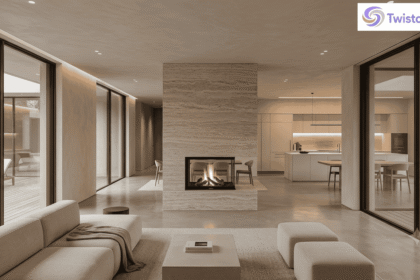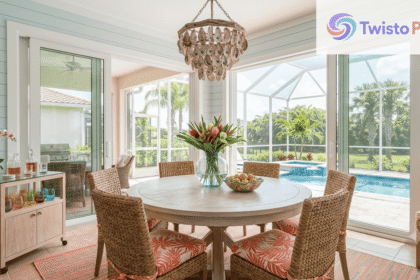

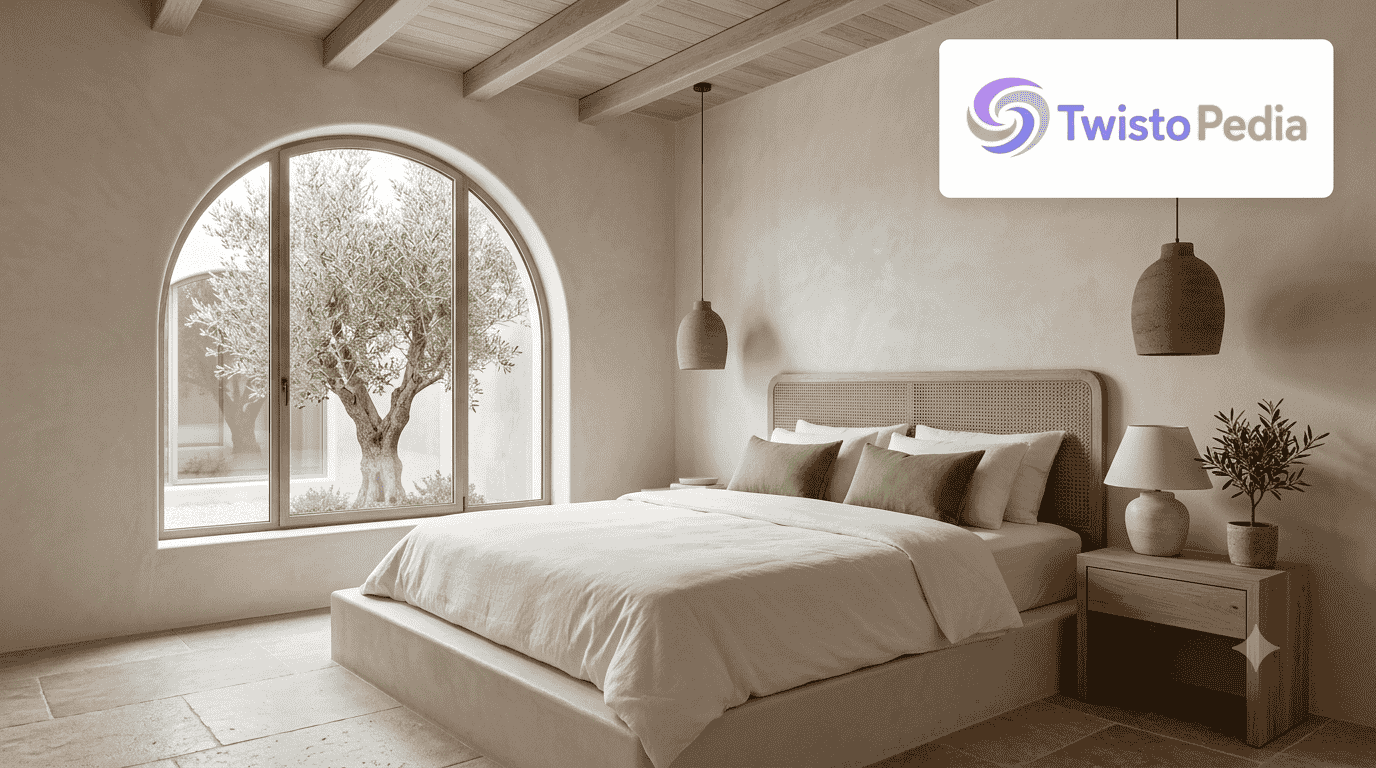
Modern Mediterranean Interior Design is most convincing when regional character is edited rather than copied. In practice, I find that architecture, tactile materials, restrained color, and comfortable furniture create rooms that feel contemporary while retaining Mediterranean warmth.
- Modern Mediterranean Interior Design
- Key Elements Of Modern Mediterranean Interior Design
- Modern Mediterranean Color Palette
- Natural Materials And Rustic Elements
- Furniture And Modern Minimalism
- Textures, Linens, Rugs, And Soft Furnishings
- Decorative Tiles
- Indoor-Outdoor Living And Natural Light
- Plants And Mediterranean Greenery
- Organic Shapes And Arches
- Lighting
- Artwork And Handcrafted Decor
- Modern Mediterranean Living Room
- Modern Mediterranean Bedroom
- Modern Mediterranean Kitchen
- Fireplace As A Mediterranean Focal Point
- Marble Accents
- Citrus And Mediterranean Styling Details
- Warm Minimalist Mediterranean Retreat
- Rustic Mediterranean Elegance
The approach becomes distinctive through contrasts: rustic warmth beside contemporary sophistication, curved architecture beside clean lines, and handcrafted objects beside streamlined furniture. These tensions make the style practical for modern homes without erasing its cultural roots.
Rather than treating Mediterranean interiors as a fixed formula, experienced designers can borrow selectively from coastal architecture, traditional craftsmanship, natural landscapes, and contemporary living. That flexibility makes the style adaptable across apartments, villas, family homes, and smaller spaces.
Modern Mediterranean Interior Design
The strongest Modern Mediterranean Interior Design schemes begin with atmosphere rather than decoration. Mediterranean aesthetic, coastal charm, and natural materials establish identity, while restrained furniture keeps rooms practical. I usually prioritize architecture before accessories.
Regional references from Italy, Spain, Greece, Turkey, and Morocco can coexist without creating a themed interior. Their shared relationship with coastal living, sunlight, and craftsmanship gives modern rooms a broader cultural foundation and greater visual depth.
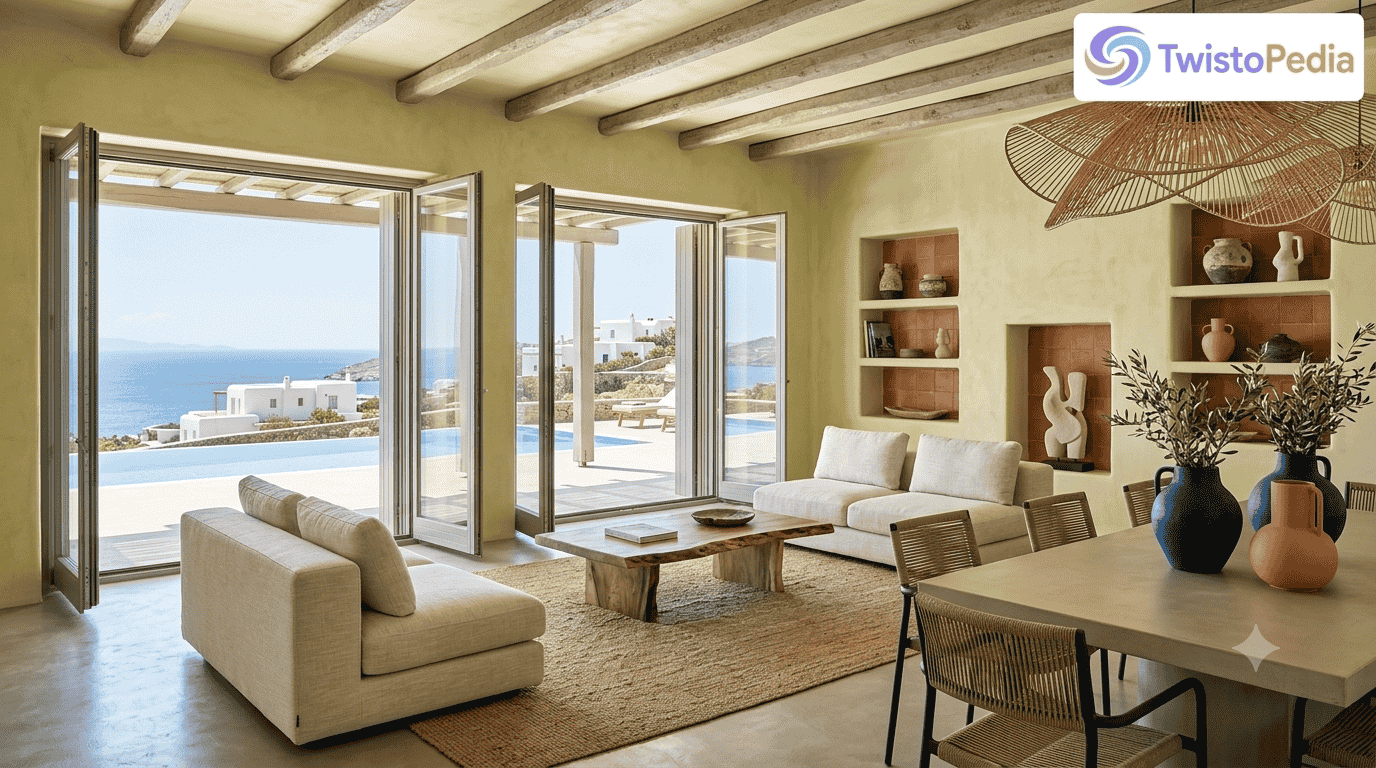
I find white-washed walls, rustic wood beams, arches, stone, wood, and rattan especially effective together. Add organic shapes, natural textures, and a neutral palette, then introduce selective color to preserve timeless elegance without visual clutter.
What Is Modern Mediterranean Interior Design?
Modern Mediterranean interior design updates a traditional style without stripping away its character. The goal is a subtle approach where contemporary elements, practical furniture, and restrained decoration coexist with carefully selected old-world elements.
Historically, the Mediterranean world developed through movement, trade, and cultural exchange. That melting pot explains the variety of materials, patterns, colors, and architectural traditions associated with the region, from coastal villages to sophisticated urban interiors.
Today, casual elegance, warmth, freshness, and a homely atmosphere matter more than strict historical accuracy. A cozy scale, curated space, and timeless feel allow modern households to enjoy Mediterranean character without reproducing an old-fashioned interior.
Key Elements Of Modern Mediterranean Interior Design
The style depends on balancing simplicity with sophisticated detailing. Handcrafted elements, warm wood finishes, exposed beams, and arches can provide personality while cleaner lines and lighter furniture prevent the room from feeling visually heavy.
Architectural surfaces often carry more importance than decorative accessories. Stucco, plaster walls, ironwork, stone, and terra-cotta roofs establish texture and cultural identity, while eclectic furnishings introduce a contemporary interpretation of those established materials.
For finishing touches, I favor wicker baskets, wooden accents, terracotta pieces, textured art, vases, and bowls. Irregular mirrors, organic-shaped bowls, and curvy furniture can then add depth, interest, and subtle artistic flair.
Modern Mediterranean Color Palette
A practical Mediterranean color palette begins with warm neutrals, chalky white, ivory, stone, ochre, and terracotta. These shades reflect sunlit architecture while creating a flexible background for furniture, artwork, textiles, and greenery.
Stronger accents can reference water and vegetation through cerulean blue, sage, seafoam green, yellow, red, and coral. Used selectively, these colors create regional recognition without overwhelming the room or making it feel artificially themed.
For quieter interiors, combine warm white, sandy beige, soft beige, muted blue, soft gray, and sage green. I often add oceanic blues sparingly because they establish a calming atmosphere while preserving a sophisticated coastal atmosphere.
Natural Materials And Rustic Elements
Mediterranean interiors become convincing when natural materials remain visible rather than disguised. Stone, wood, and weaves can appear through wood floors, beams, furniture, doors, and stone walls, creating tactile variation throughout the room.
Details such as woven rugs, baskets, ceramic pots, chunky clay vases, and hand-painted tiles reinforce the material story. Wicker baskets, wooden accents, and terracotta pieces also provide useful decoration without relying on excessive ornamentation.
For architectural warmth, I particularly value raw plaster walls, textured stone, light wood cabinetry, and wooden details. These surfaces create authenticity, timelessness, and rustic warmth, especially when contemporary furnishings introduce cleaner proportions.
Furniture And Modern Minimalism
Furniture determines whether Mediterranean inspiration feels genuinely modern. Modern minimalism, clean silhouettes, and simple pieces create a calm atmosphere, while carefully chosen traditional references prevent the room from becoming generic or overly sterile.
A metal-framed coffee table, structured sofa, or sideboard can establish contemporary structure. An antique side table or patterned ottoman introduces contrast, proving that less is more does not require removing personality or history.
For comfort, consider an oversized sofa, white linen, a natural wood side table, contemporary chairs, and neutral throw pillows. Streamlined furniture, low-profile sofas, modular seating, and sculptural chairs can add contemporary sophistication.
Textures, Linens, Rugs, And Soft Furnishings
Texture prevents restrained Mediterranean palettes from feeling flat. Natural linens, curtains, throw pillows, bedspreads, and tablecloths introduce softness, while woven rugs provide a tactile foundation beneath contemporary furniture and architectural surfaces.
Natural fibers, wool, cotton, and a jute rug can establish a relaxed material hierarchy. Linen textures, cushion covers, and neutral throw pillows reinforce casual elegance while preserving an airy feel and comfortable atmosphere.
For stronger visual energy, introduce geometric designs, tribal designs, earthy tones, earthy yellow, and rusty orange carefully. These accents can create coziness and controlled saturated colors without disrupting the room’s overall Mediterranean restraint.
Decorative Tiles
Decorative tiles offer one of the easiest ways to introduce Mediterranean identity. Colorful tiles, patterned tiles, and references to Spain or Morocco can create character while contemporary furniture keeps the surrounding composition controlled.
Moorish tiles bring character and intrigue, especially around a fireplace or backsplash. Spanish tile can establish a strong focal point, while smaller applications such as tiled furniture introduce motifs without overwhelming the room.
For modern applications, use subtle patterns, wider-format flooring, Mediterranean inlays, or restrained bathroom tile. Terracotta tiles and patterned tile flooring can reinforce Mediterranean heritage through color and pattern without requiring traditional furnishings.
Indoor-Outdoor Living And Natural Light
Indoor-outdoor living becomes more successful when architecture deliberately connects the interior with the exterior. Natural light, patios, gardens, and landscape views can become active parts of the room instead of background scenery.
Stacked glass doors, large windows, and large patio doors strengthen visual continuity. For entertaining, an open concept can connect living areas with family gatherings, allowing furniture and color palettes to continue naturally toward outdoor spaces.
French doors, floor-to-ceiling windows, and expansive glass doors create seamless connection and openness. I particularly value this approach because sunlight, natural landscape, and outdoor living spaces can make modest interiors feel significantly more spacious.
Plants And Mediterranean Greenery
Mediterranean greenery provides regional character without requiring additional ornament. Potted olive trees and lemon trees are especially effective because their forms immediately connect interiors with Mediterranean landscapes and the visual language of cultivated coastal gardens.
A sunny corner, balcony, or entrance can accommodate substantial greenery. The fresh presence and aromatic presence of living plants make rooms feel more inhabited, while a terracotta planter strengthens the relationship between vegetation and natural materials.
Where maintenance is difficult, a faux olive tree can provide similar visual structure. I prefer using fewer substantial plants rather than many small pots, allowing greenery, natural character, coastal character, and an organic atmosphere to remain balanced.
Organic Shapes And Arches
Organic shapes help soften contemporary rooms without weakening their architectural clarity. Arches, curved archways, and natural lines can introduce fluidity, especially when straight cabinetry, rectangular furniture, or modern lighting dominates the surrounding space.
Smaller objects can repeat that language through irregular mirrors, organic-shaped bowls, curvy furniture, and curvaceous forms. Table lamps, vases, and planters then contribute an understated artistic flair without appearing excessively decorative.
I often combine wooden textures, arched details, stoneware, terracotta, and white finishes. Arched built-in shelving and organic wooden coffee tables can provide sculptural character, while carefully selected architectural details connect furnishings back to the building.
Lighting
Lighting should reveal materials rather than compete with them. Wrought iron, curled iron, and expressive lighting fixtures can create strong visual interest while maintaining the handmade quality associated with Mediterranean interiors.
Useful forms include chandeliers, lanterns, pendants, wall sconces, floor lamps, and candelabras. Rather than installing many decorative fixtures, I prefer combining fewer statement pieces with carefully positioned soft lighting.
During evenings, candles, woven pendant lights, and sculptural lighting fixtures can create a welcoming ambience. Handcrafted pendant lights, recessed ceiling fixtures, and a wrought-iron chandelier balance traditional elements with modern elements, adding warmth and depth.
Artwork And Handcrafted Decor
Artwork works best when it reinforces architecture. Mediterranean wall art, sculptures, handmade pottery, abstract art, framed mirrors, and tapestries can establish identity without filling every surface with decorative objects.
I particularly like using an open-faced wood slab to display heirlooms and meaningful objects. This creates storytelling and personal relevance, making the room feel collected rather than assembled from identical decorative accessories.
Mediterranean landscapes, seascapes, cultural elements, ceramic pots, textured art, and handcrafted pieces provide strong focal points. Abstract ceramics, woven accents, and natural decorative pieces can add authenticity, depth, and cultural influence without excessive decoration.
Modern Mediterranean Living Room
A Modern Mediterranean living room should support relaxation without sacrificing structure. Sun-kissed elegance, classic coastal design, contemporary comfort, and clean lines can coexist when the room encourages both happy living and slowing down.
Try soft beige tones, light wood flooring, exposed beams, and expansive doors around a comfortable seating arrangement. L-shaped sofas, sculptural chairs, and travertine coffee tables can establish contemporary comfort without losing Mediterranean character.
For detail, use artisanal ceramics, woven pendant lights, coastal blue accents, woven rugs, and boucle accent chairs. Built-in fireplaces, plastered walls, minimalist cabinetry, and floor-to-ceiling windows complete an airy space with rustic warmth.
Modern Mediterranean Bedroom
A Modern Mediterranean bedroom works best as a tranquil retreat rather than a heavily decorated showcase. Historical charm can remain visible through architecture while sleek contemporary elements provide the practical simplicity expected in current homes.
Use white bedding, plush linens, layered pillows, distressed rugs, and light curtains to create softness. A wrought-iron chandelier, patterned throws, and woven artwork can add Mediterranean character without making the bedroom feel visually crowded.
For greater depth, combine earthy neutrals, organic textures, raw plaster walls, and wood ceilings. Sandy-toned linens, woven textiles, wooden benches, floating nightstands, and handcrafted lighting create an airy atmosphere with natural materials and calm coastal character.
Modern Mediterranean Kitchen
A Modern Mediterranean kitchen can look contemporary without abandoning tactile materials. Sage-green cabinetry, natural wood accents, warm brass hardware, and butcher-block countertops establish warmth while maintaining clean proportions and practical working surfaces.
Wooden islands, black metal chairs, pendant lights, and large windows create a useful combination of structure and daylight. For stronger character, consider patterned tile flooring, marble backsplashes, or stone tile flooring.
I often combine woven pendant lights, minimalist islands, and open fireplaces with warm wooden cabinetry. Wood, stone, clay, terracotta, and decorative tiles establish rustic Mediterranean charm, while modern functionality, color, and pattern keep the kitchen practical.
Fireplace As A Mediterranean Focal Point
A fireplace can become a genuine Mediterranean focal point when its material and proportions relate to surrounding architecture. A rustic fireplace introduces visual weight, especially in rooms otherwise furnished with lightweight contemporary pieces.
A statement fireplace with a mosaic surround or Spanish tile can establish regional identity. The mantelpiece may then hold rustic framed artwork or a bespoke patterned vase, keeping decoration concentrated rather than scattered.
For contemporary homes, a built-in fireplace or open fireplace provides warmth and an architectural focal point. Combining natural materials, rustic charm, contemporary character, and traditional details allows modern design to retain Mediterranean depth.
Marble Accents
Marble introduces cool elegance against the warmer surfaces typical of Mediterranean interiors. Its polished character works particularly well beside wood, terracotta, plaster, woven textiles, and other tactile materials with stronger rustic associations.
Useful applications include marble countertops, lamp bases, coasters, and cutting boards. These practical surfaces provide decorative accents without requiring marble to dominate the room or transform an informal interior into a formal setting.
The contrast between marble and rustic elements creates visual balance. I prefer using it selectively because its luxury and elegance become more noticeable when surrounded by earthy elements, textured finishes, and carefully chosen natural materials.
Citrus And Mediterranean Styling Details
Citrus offers a practical styling detail that feels naturally connected to Mediterranean living. Fresh citrus fruits displayed in a bowl or basket can function as both a decorative element and an everyday household feature.
Oranges, lemons, and limes introduce vibrant colors without requiring permanent bright accessories. Their aromatic element and natural variation can make kitchens and dining spaces feel fresher, especially against neutral walls and warm wood.
The approach works particularly well in a kitchen or dining area because the fruit remains useful rather than purely decorative. This simple form of natural styling adds freshness and Mediterranean character while preserving practical authenticity.
Warm Minimalist Mediterranean Retreat
A warm minimalist Mediterranean retreat can combine a cozy living room and kitchen combination through a soft neutral color palette. Continuity matters more than matching every object, particularly when both spaces share architectural materials.
Light wood cabinetry, curved archways, and textured stone elements create depth without clutter. Minimalist furniture, plush low-profile sofas, and organic wooden coffee tables maintain comfort while keeping the room visually organized.
For refinement, combine layered lighting, linen curtains, marble-clad islands, and wooden bar stools. The balance between rustic aesthetics and sleek functionality provides modern functionality without sacrificing warmth, texture, or Mediterranean architectural character.
Rustic Mediterranean Elegance
Rustic Mediterranean elegance can emerge from architecture before decoration. Exposed wooden beams, crisp white walls, and plush white seating create a bright foundation, while blue pillows and neutral pillows introduce controlled color.
A textured stone fireplace, arched shelving, and a wrought-iron chandelier strengthen regional identity. Natural wood elements and grand wooden tables then add warmth, keeping the room grounded rather than overly polished or minimal.
Large glass doors reinforce indoor-outdoor living, while natural light keeps the interior bright. The combination of rustic warmth, contemporary sophistication, coastal design, modern comfort, and architectural features creates an airy space with authentic character.