
- How To Design Seamless Interiors
- Start With A Clear Design Direction
- Use A Consistent Color Palette
- Choose Repeating Materials And Textures
- Create Smooth Transitions Between Rooms
- Keep Flooring Consistent Where Possible
- Create Visual Connections Between Rooms Through Furniture, Decor And Setup
- Pay Attention To Furniture Placement
- Choose Furniture And Lighting Fixtures With Similar Lines And Styles
- Connect Different Areas With Lighting
- Optimize Each Room For Functionality
- Add Personality Without Breaking The Flow
- Use Natural Elements For A More Connected Feel
- Common Mistakes That Break Interior Flow
- A Simple Step-By-Step Approach To Design Seamless Interiors
- Have One Signature Scent Flow Throughout The Home
- FAQs About How To Design Seamless Interiors
- 1. What Does Seamless Interior Design Mean?
- 2. How Do I Start Designing Seamless Interiors In My Home?
- 3. Do All Rooms Need To Look The Same For Seamless Design?
- 4. What Colors Work Best For Seamless Interiors?
- 5. Can I Mix Modern And Traditional Styles?
- 6. Is Flooring Important In Seamless Interior Design?
- 7. How Important Is Lighting In Creating Seamless Interiors?
- 8. Can Small Homes Benefit From Seamless Interior Design?
- 9. What Is The Most Common Mistake In Interior Design?
- 10. Does Seamless Interior Design Require A Big Budget?
Good interior flow is rarely created by expensive furniture alone. In my experience, seamless interiors feel convincing when colors, materials, lighting, and layouts connect naturally, while every room still retains useful personality and practical purpose.
A beautiful home can avoid trendy decorations when rooms share a visual language. I usually study how people walk through spaces first, then adjust furniture, transitions, and sightlines to create comfortable movement throughout the property.
The strongest home improvement decisions create visual connections without making every area identical. Thoughtful design choices produce a unified space, allowing whole-home design, decorating, and personal interior style to work together naturally.
How To Design Seamless Interiors
What Does Seamless Interior Design Mean?
Seamless interior design is less about matching everything and more about cohesion. A cohesive design gives each space a distinct function while maintaining a connected relationship through intentional visual and practical decisions.
I find balance improves when careful planning begins with a whole-home vision rather than isolated rooms. Mood board references, color swatches, and material samples make decisions easier to evaluate across adjoining areas.
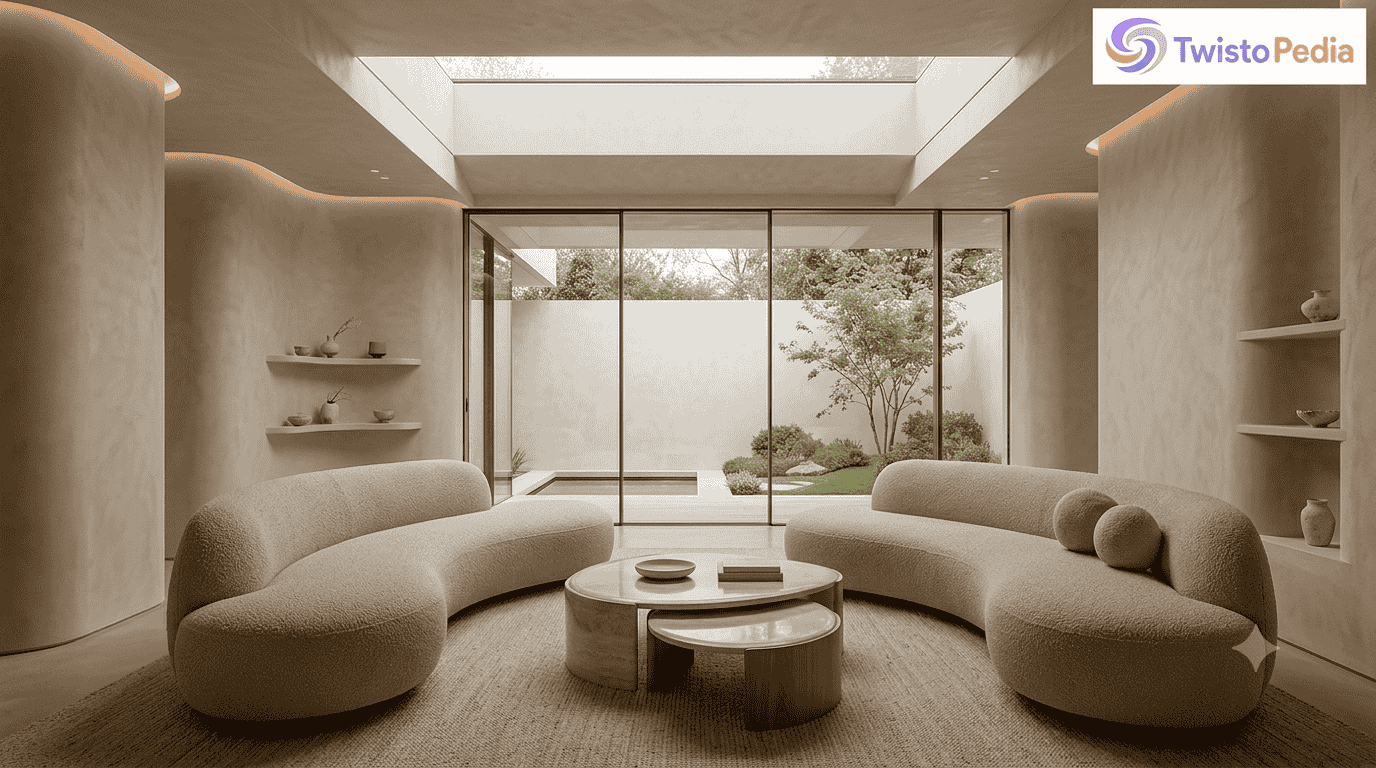
In large spaces and small homes, disjointed spaces usually feel accidental. Repeated textures, flooring, tones, and furniture establish design flow, making the living room, kitchen, hallway, and bedrooms feel intentionally integrated.
Start With A Clear Design Direction
Begin with a design direction that captures the home’s overall feeling before selecting individual pieces. A whole-home vision can be modern, minimal, warm, or traditional, depending on lifestyle and architecture.
I often compare paint, furniture, and decorations together because isolated choices can distort perception. A mood board, color palette, and material samples reveal whether proposed rooms genuinely belong within one visual system.
For a modern natural style, combine neutral wall colors, wooden furniture, natural fabrics, and indoor plants. Small accent colors can reinforce a connected appearance without overwhelming the interior.
Use A Consistent Color Palette
A consistent color palette gives separate rooms an underlying relationship. Choose one dominant color, a secondary color, and an accent color, then repeat those choices through walls, furniture, decor, and rugs.
The familiar 60-30-10 rule can organize distribution: roughly 60% foundation, 30% supporting color, and 10% accent. I find this framework useful when adjoining rooms need variation without losing continuity.
Test color swatches, a paint sample, and a fabric piece together. Warm white, beige, dark wood, and carefully chosen accent hues can produce strong color consistency across different room functions.
Choose Repeating Materials And Textures
Repeating materials creates unity without demanding identical furniture. I might carry dark wood from cabinetry into tables, then introduce linen or leather elsewhere for controlled textural variation.
An industrial look can use brick, metal, and polished concrete, while a traditional home may rely on velvet, satin, wool, or cotton. The key is repeating material language rather than decoration.
Wooden kitchen cabinets, a wooden coffee table, and wooden bedroom side tables can become subtle repeated elements. These connections strengthen visual unity, helping a connected home maintain design continuity across rooms.
Create Smooth Transitions Between Rooms
Strong smooth transitions allow adjoining rooms to feel related even when their functions differ. I pay attention to sightlines first, then coordinate spaces, materials, and flooring so movement feels visually uninterrupted.
In open-plan spaces, consistent flooring can support design flow between the living room and kitchen. Elsewhere, a related material or color can bridge the hallway and bedrooms without making every room identical.
Effective room transitions depend on visual continuity. Repeating colors, textures, or architectural details creates seamless flow, while controlled differences preserve individuality and prevent the home from appearing monotonous.
Keep Flooring Consistent Where Possible
Consistent flooring is particularly useful where several connected spaces share sightlines. Wood flooring can visually extend from a living room into a dining area, making the combined footprint feel larger and calmer.
Where identical flooring is impractical, natural stone, white tile, or marble mosaics can remain visually compatible through similar colors. A carefully selected transition element prevents abrupt breaks between materials.
I prioritize functionality before visual repetition, especially around kitchens and bathrooms. Rugs can soften necessary changes while maintaining a unified look, supporting floor transitions and overall interior flow.
Create Visual Connections Between Rooms Through Furniture, Decor And Setup
Visual connections often come from surprisingly small details. Repeating furniture finishes, colors, and design elements can connect rooms without requiring matching sets or identical layouts.
A sunroom might echo a living room through planters, drapery, or similar wood tones. I also use photo frames, matching frames, and restrained decorative pieces to repeat visual cues between familiar spaces.
Details such as gold trinkets can support repetition when used sparingly. The goal is visual interest plus decor consistency, allowing room connections, decorative elements, and color repetition to reinforce seamless flow.
Pay Attention To Furniture Placement
Furniture placement changes how a home feels before decoration is even considered. A thoughtful furniture arrangement creates clear walking paths, practical conversation areas, and enough open space for comfortable daily movement.
I generally protect approximately 30–36 inches around important circulation routes. A sofa, chairs, and coffee table should support conversation while respecting room size and major furniture areas.
Good furniture positioning balances movement with functionality. In a large room, zones can remain visually connected while maintaining accessibility, comfortable layouts, and a clear traffic flow between adjoining spaces.
Choose Furniture And Lighting Fixtures With Similar Lines And Styles
Furniture does not need identical styling, but its shape, form, and proportions should communicate. Clean lines may connect sleek modern pieces, while traditional rooms can coordinate more detailed or intricate furniture.
I consider furniture language alongside lighting fixtures, material, color, and size. Matching sets are optional; consistent visual principles are more flexible and usually create better visual harmony.
In a small apartment, oversized furniture can overwhelm breathing space. A sectional sofa and coffee table should respect room proportions, while an accent piece can introduce personality without disrupting seamless flow.
Connect Different Areas With Lighting
Layered lighting gives connected rooms a consistent atmosphere while preserving different purposes. Ambient lighting establishes general visibility, task lighting supports activities, and accent lighting adds controlled visual emphasis.
I examine lighting temperature before choosing fixtures. Warm lighting often creates continuity across residential areas, while cool lighting may suit specific work zones without visually separating the entire connected home.
Coordinate ceiling lights, lamps, and finishes where possible. Consistent metal finishes can link separate fixtures, while carefully distributed light fixtures maintain visual flow and improve each interior space.
Optimize Each Room For Functionality
A beautiful room can fail when its purpose is ignored. I begin with daily routine, then place furniture around actual movement, work, family needs, and usable space rather than forcing a decorative layout.
In a kitchen, the relationship between refrigerator, sink, and cooking area matters. A home office may require quieter placement, practical lighting, and controlled noise, while children need safe playing areas.
The best functional design supports comfortable living and everyday living simultaneously. Good interior planning makes a balanced home feel natural because the design responds to real lifestyle demands.
Add Personality Without Breaking The Flow
A seamless home should still reveal who lives there. I prefer artwork, personal items, travel photographs, and selected memories over generic decoration because individuality makes cohesive interiors feel authentic.
Personal pieces can repeat a theme without becoming repetitive. Similar colors, matching frames, or related materials can connect artwork across walls while preserving different rooms’ personalities and design styles.
Use decorative elements strategically rather than everywhere. Organized displays, personal touches, and meaningful themes strengthen visual consistency while allowing individuality, personal history, and home decor to remain visible.
Use Natural Elements For A More Connected Feel
Natural elements can soften strong architectural transitions. Wood, stone, cotton fabrics, and natural fibers introduce tactile continuity, while their restrained palette often works across kitchens, living rooms, bedrooms, and transitional areas.
I like using indoor plants near windows because greenery provides repeated visual rhythm. A large plant can anchor one area, while smaller plants connect nearby spaces without requiring matching furniture.
Wooden shelves and wooden details reinforce warmth, while biophilic elements create a relaxing atmosphere. Combined with natural materials, these choices produce a connected feeling and stronger visual continuity throughout home decor.
Common Mistakes That Break Interior Flow
Many common mistakes begin when rooms are designed independently. Excessive mixing styles, abrupt colors, inconsistent finishes, and unrelated furniture can create design confusion, even when every individual room looks attractive.
A strong dominant style does not prohibit accents. Instead, accents should support the main direction. Sudden color changes, such as bright red beside soft neutral areas, can create a disconnected feeling.
I also inspect small details because door handles, curtains, rugs, hardware, and finishes influence professional appearance. Consistency at this scale can significantly improve visual flow and interior consistency.
Mixing Too Many Styles
Mixing styles can work when one approach remains dominant. Combining modern, rustic, industrial, and traditional elements without hierarchy may create visual confusion instead of intentional contrast.
I usually establish one primary interior style, then introduce smaller accents from another direction. This creates personality while maintaining a coherent design plan across adjoining rooms.
Successful style balance depends on repetition. Similar materials, proportions, or colors can connect diverse pieces, strengthening cohesive interior design and maintaining interior flow without forcing uniformity.
Changing Colors Too Suddenly
Changing colors between rooms is not automatically wrong, but abrupt transitions can weaken visual relationships. A strong color palette should provide intermediate tones when neighboring spaces need noticeably different identities.
For example, bright red can overwhelm a nearby soft neutral living room when no supporting hue exists. A transitional accent can instead guide the eye gradually between contrasting areas.
I prefer testing color relationships from doorways and corridors. This reveals whether the color transition supports interior harmony, maintains color consistency, and avoids a disconnected feeling.
Ignoring Small Details
Small details often determine whether an interior feels professionally coordinated. Door handles, curtains, rugs, hardware, and finishes should not necessarily match, but they should belong to the same visual conversation.
Matching finishes can quietly connect rooms that otherwise use different furniture. Brushed metal, wood tones, or repeated fabric qualities can establish consistency without making decorative choices feel copied.
When reviewing a finished space, I inspect room details from multiple viewpoints. This often reveals inconsistencies that undermine visual consistency, design cohesion, and professional appearance despite strong major furniture choices.
A Simple Step-By-Step Approach To Design Seamless Interiors
My preferred step-by-step approach begins with interior style, then moves toward color palette, flooring, major materials, furniture placement, and lighting layers. Decorations and personal touches come later, when structure is already coherent.
Planning becomes easier when bigger decisions precede smaller decisions. Establish the overall style, determine essential materials, then coordinate individual rooms around the same design decisions and functional requirements.
Keep the budget visible throughout. A practical home design process does not require every item immediately; phased improvements can still create seamless interiors when each purchase supports the broader cohesive design.
How Much Does Seamless Interior Design Cost?
The cost of seamless interior design varies with home size, materials, labor, and whether you make small updates or pursue a complete renovation. Paint, lighting, accessories, and furniture can dramatically change expenditure.
I recommend separating essential work from aesthetic upgrades. Flooring, cabinets, and structural changes usually demand more planning, while decor and repainting can refresh a room with less investment.
Unexpected expenses are common during renovation. Keeping roughly 10–15% available beyond the planned budget can provide flexibility for materials, repairs, or necessary adjustments without disrupting the overall design.
Have One Signature Scent Flow Throughout The Home
A signature scent can reinforce continuity without changing the visual design. A candle, wall plug-in, or incense can establish a recognizable fragrance while supporting the emotional character of connected rooms.
I prefer subtle scent distribution rather than strong fragrance in every room. Similar scent notes can create continuity, while different intensities preserve comfort and prevent sensory overload throughout the home.
This is a form of sensory design often overlooked in interior planning. Coordinated fragrance supports home experience, interior atmosphere, and the feeling that spaces belong to one seamless home.
FAQs About How To Design Seamless Interiors
1. What Does Seamless Interior Design Mean?
Seamless interior design means creating rooms that feel connected through related colors, materials, lighting, furniture, and layout. Each space can remain distinct while contributing to one unified appearance and cohesive home.
The concept is not about identical decoration. Instead, design flow comes from repeated visual cues, compatible proportions, and practical relationships that make movement between rooms feel intentional rather than abrupt.
When I evaluate a home, I look at sightlines first. If adjoining rooms communicate naturally through material or color relationships, the interior usually feels more cohesive without excessive decoration.
2. How Do I Start Designing Seamless Interiors In My Home?
Start by deciding the overall style and basic color palette before purchasing furniture. Consider the rooms together, then establish materials and lighting tones that can repeat naturally throughout the home.
A clear design direction reduces random purchases. I recommend recording paint, flooring, furniture finishes, and lighting choices so later decisions remain connected to the established interior planning strategy.
The process becomes easier when the home design has a recognizable foundation. Consistent decisions create a cohesive appearance while allowing individual rooms to respond to their own functional requirements.
3. Do All Rooms Need To Look The Same For Seamless Design?
No. Seamless design works better when rooms retain individuality while sharing common design elements. Repeated colors, materials, lighting, or furniture characteristics can create visual flow without making every space identical.
A bedroom may feel softer than a kitchen, while both can share wood, hardware, or accent colors. This approach keeps the cohesive appearance believable instead of overly coordinated.
I consider each room’s function before repeating anything. Room individuality matters because a home should feel lived-in, while interior consistency provides the underlying structure.
4. What Colors Work Best For Seamless Interiors?
Neutral colors such as white, beige, soft gray, and earthy tones provide flexible foundations. They allow accent colors to move between rooms without creating harsh visual breaks.
A consistent color palette does not mean using one shade everywhere. Related undertones can connect different interior colors while maintaining variation and personality across the home.
I test colors under actual lighting before finalizing them. This protects color consistency and helps ensure that the seamless interiors remain visually connected throughout different times of day.
5. Can I Mix Modern And Traditional Styles?
Yes, modern style and traditional style can coexist when one becomes dominant. The secondary style should appear through controlled accents rather than competing equally for attention.
Furniture proportions, materials, and color can bridge mixed styles. A modern room may accept traditional woodwork when the palette and repeated finishes provide enough visual connection.
I avoid unrestricted mixed styles because they can weaken style balance. A deliberate dominant style creates cohesive interiors while still allowing contrast and personality.
6. Is Flooring Important In Seamless Interior Design?
Yes. Flooring is one of the strongest continuous surfaces in a home. Using the same material across connected areas can make separate rooms appear more visually related.
When identical flooring is impossible, similar flooring can still work. Wood flooring, tile, and natural stone can connect when their colors, textures, and transition details remain compatible.
I consider thresholds carefully because room transitions can either support or interrupt the unified look. Flooring should therefore balance durability, function, and visual continuity.
7. How Important Is Lighting In Creating Seamless Interiors?
Lighting strongly affects whether connected rooms feel unified. Consistent light temperature and related fixture styles can create continuity, while different lighting layers can still serve separate activities.
Use ambient lighting for general illumination, task lighting where work occurs, and accent lighting for visual emphasis. These layers prevent one lighting solution from controlling every room.
I pay close attention to warm lighting, cool lighting, and fixture proportions. Consistency does not mean identical fixtures; it means maintaining a compatible interior atmosphere.
8. Can Small Homes Benefit From Seamless Interior Design?
Absolutely. Small homes can benefit significantly because visual continuity reduces unnecessary interruptions. Open spaces, related colors, and consistent materials can create a larger perceived footprint.
Furniture should support circulation rather than crowd it. Space planning, open pathways, and carefully selected pieces help maintain functionality while allowing connected rooms to appear more spacious.
I also reduce visual clutter because excessive objects interrupt sightlines. A cohesive interior layout makes small spaces easier to navigate and visually calmer without sacrificing useful storage.
9. What Is The Most Common Mistake In Interior Design?
One common mistake is treating every room as an independent project. Different colors, materials, and styles can become disconnected when there is no shared design plan or visual relationship.
Style mixing itself is not the problem. The issue appears when contrasts lack hierarchy, supporting colors, or repeated materials, causing the home to lose cohesive direction.
I also watch for sudden color changes and unrelated furniture. These choices can weaken visual flow, create disconnected spaces, and reduce overall interior consistency.
10. Does Seamless Interior Design Require A Big Budget?
No. Seamless interior design can begin with simple changes rather than expensive renovation. Repainting, furniture arrangement, matching decor, improved lighting, and coordinated colors can produce noticeable continuity.
Large projects involving flooring, cabinets, or structural renovation cost more, but they are not always necessary. Prioritizing visible transitions can make limited resources more effective.
I recommend separating essential repairs from interior updates. Affordable improvements can still strengthen a cohesive appearance and provide meaningful home improvement without requiring a complete renovation.