
A landscaping project can become expensive surprisingly quickly when the buyer does not know how much is a yard of dirt or how much material the job actually requires. One cubic yard equals 27 cubic feet. The final cost depends on topsoil, fill dirt, delivery, soil quality, and the required coverage.
- How Much Is A Yard Of Dirt / What Is A Cubic Yard?
- How Much Is A Yard Of Dirt?
- Retail/Bagged Dirt
- Bulk Dirt
- How Much Dirt Do You Need?
- How Much Area Does A Yard Of Dirt Cover?
- Factors That Affect The Cost Of A Yard Of Dirt
- Type And Quality Of Soil
- Delivery Charges
- Location
- Bulk Vs. Bagged Dirt
- Seasonal Variations
- Budgeting Tips When Buying Dirt
- Compare Prices
- Bulk Discounts
- DIY Vs. Delivery
- Seasonal Considerations
- Payment Terms And Financing
- Local Alternatives
- Plan For Contingencies
- How Much Soil Do You Need For Pots?
- Soil-Related Factors For Efficient Cultivation
- Soil Texture
- Choose Your Soil Type
- FAQ
For a garden, lawn, raised beds, or general landscaping, calculating the amount before purchasing prevents both shortages and waste. Bulk material usually suits a larger project, while bagged products can make sense for pots and smaller jobs. Correctly estimating the growing area and soil requirements also helps determine the appropriate soil for gardening, construction, or lawn leveling.
How Much Is A Yard Of Dirt / What Is A Cubic Yard?
A yard of dirt describes volume rather than a simple length measurement. A cubic yard forms a space measuring 3 feet in each direction, or 3 × 3 × 3 feet. Multiplying the length, width, and depth gives 27 cubic feet.
That distinction matters because loose dirt and soil are normally ordered according to volume. Understanding cubic feet and the basic measurement helps a buyer calculate material without confusing a linear yard with a cubic one.
How Much Is A Yard Of Dirt?
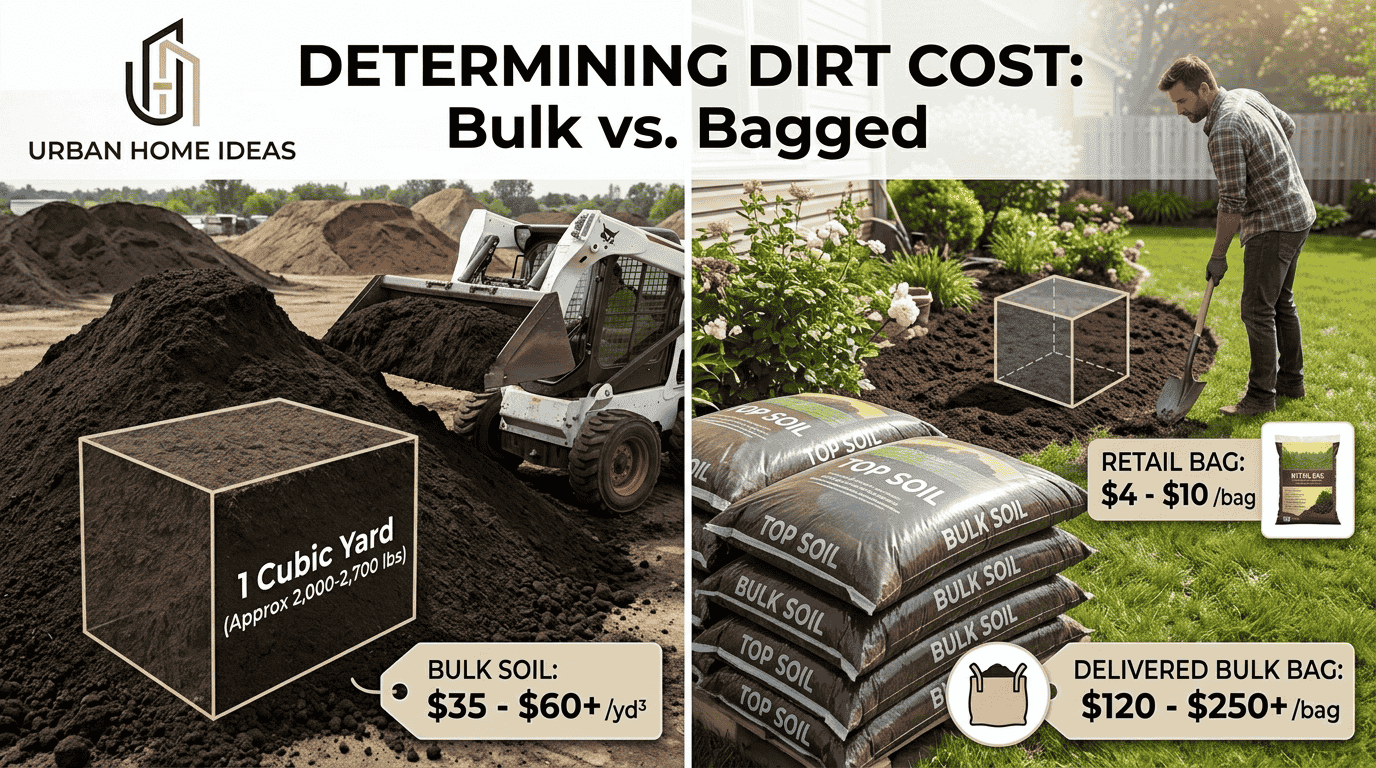
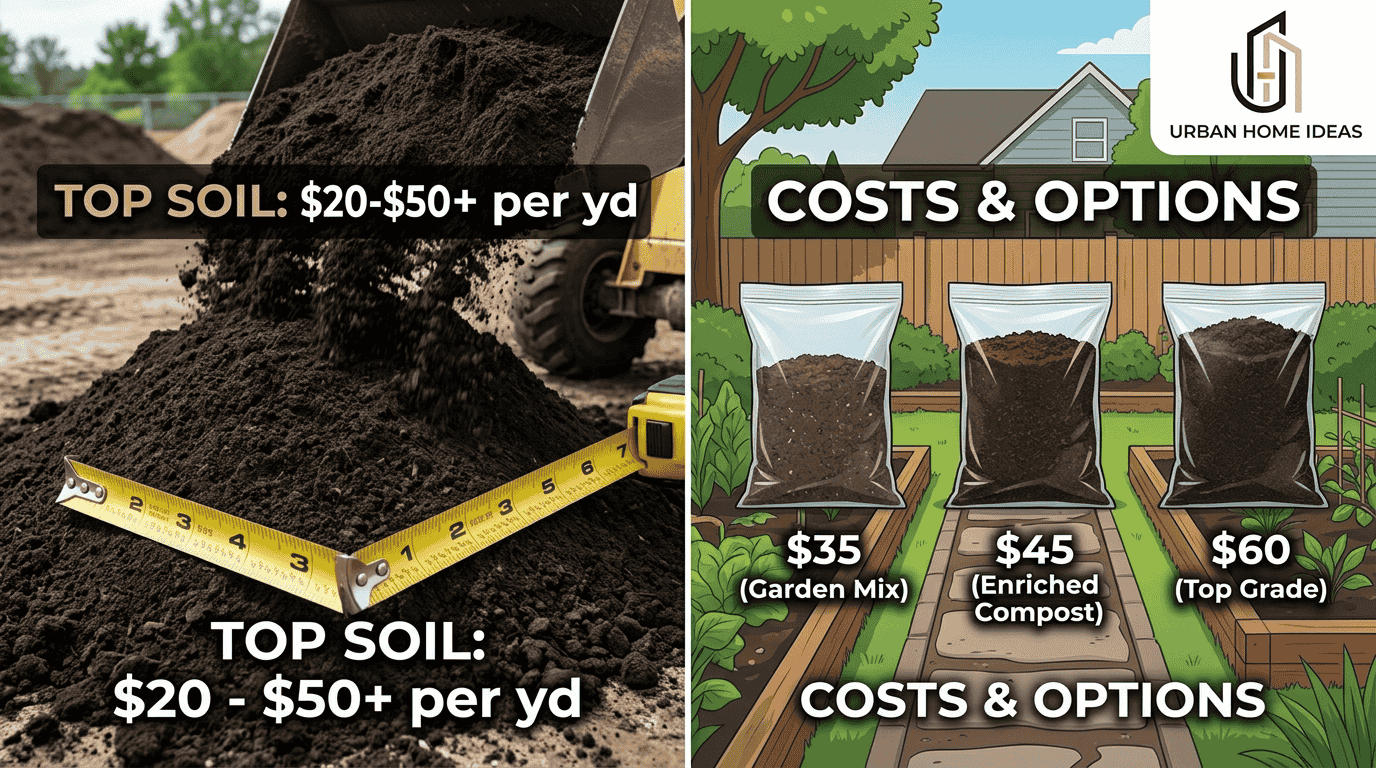
For anyone asking how much is a yard of dirt, there is no universal price. Typical fill dirt can fall around $5–$15 or $5–$20 per cubic yard, while topsoil may fall around $10–$55. Garden soil can commonly sit around $20–$50.
The actual average cost varies with soil type, soil quality, supplier, location, and local pricing. Basic dirt needed for grading is therefore likely to have a different cost from richer material intended for planting.
Retail/Bagged Dirt
Bagged dirt provides convenient quantities when only a little soil is needed. Retail stores commonly sell 40-pound bags of topsoil, although bag size and pricing can vary.
Individual bags make the purchase manageable for small quantities because the customer can estimate coverage without arranging a bulk load. The trade-off is that the total cost can rise when many bags of dirt are required.
Bulk Dirt
Bulk dirt becomes practical when larger volumes are needed for larger lawns, planting beds, or other landscaping projects. Compared with small packages, bulk soil is often more economical for large projects.
However, the advertised price is not always the complete cost. Delivery should be included when estimating how much the final load of soil or dirt will cost.
How Much Dirt Do You Need?
The quantity depends on the dimensions of the project. A practical calculation begins with length × width × depth. This produces an amount expressed in cubic feet when all measurements are entered in feet.
The result is then divided by 27 to convert cubic feet into cubic yards. This simple approach helps determine the required yardage of dirt, soil, or topsoil before ordering.
How Much Area Does A Yard Of Dirt Cover?
A cubic yard can cover approximately 100 square feet when spread at 3 inches deep. That makes soil depth just as important as the total area.
A thicker layer will cover fewer square feet, while a thinner layer covers more. Anyone estimating how much is a yard of dirt for a project should therefore calculate the desired depth rather than relying on area alone. The final required coverage changes with that depth.
Factors That Affect The Cost Of A Yard Of Dirt
The cost of a yard of dirt is influenced by more than the material itself. Soil type soil quality, supplier, and location can change the price considerably.
Transportation and delivery can add another expense, particularly when the source is far away. Bulk orders and bagged purchases also have different pricing structures. Local availability, customer demand, and seasonal price variations can further change what buyers pay for soil and dirt.
Type And Quality Of Soil
Not every pile of soil serves the same purpose. Basic fill dirt may suit grading, while topsoil and garden soil are generally selected where planting conditions matter.
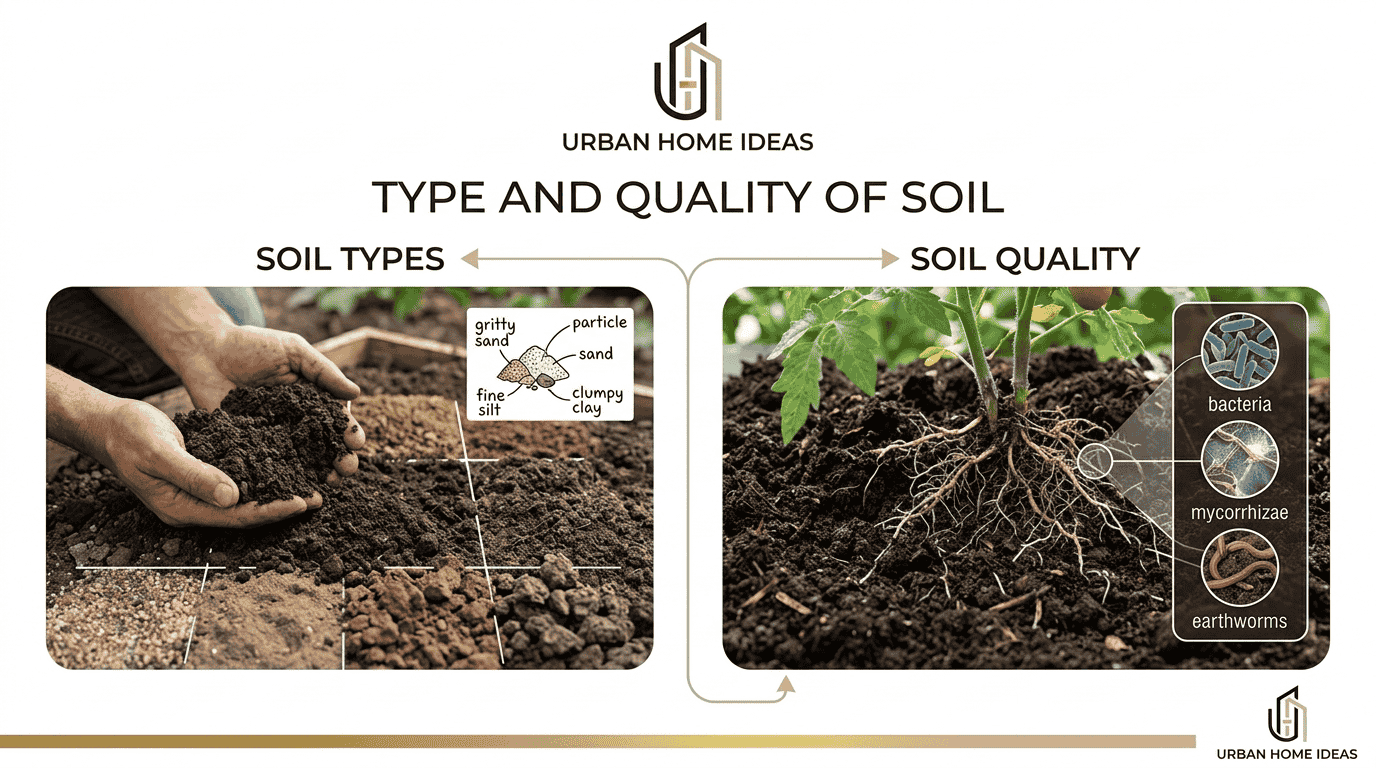
Materials such as black dirt, loam, and screened loam differ in texture and quality. Higher-quality soil or more carefully processed soil can carry a greater cost. The correct soil type should therefore be matched to its intended use instead of choosing purely by price or assuming all dirt has the same soil quality.
Delivery Charges
Delivery charges can significantly alter the final bill. The distance between the supplier and job site matters, but so do load size, truck requirements, and property accessibility.
Different supplier policies may also affect the fee. When comparing material prices, the customer should calculate the full delivered cost, including transportation, rather than considering only the listed cost of the dirt or soil.
Location
Location affects both supply and expense. Local availability can determine how easily particular grades of soil or dirt can be obtained, while longer hauling distances increase transportation costs.
As a result, soil prices may differ between regions. A material with good availability near one project can have a noticeably different price and overall cost elsewhere because of transportation.
Bulk Vs. Bagged Dirt
Bulk purchasing generally offers a lower cost or better cost per unit when enough material is needed for large projects. A loose load of bulk material can therefore be more efficient than buying dozens of individual bags.
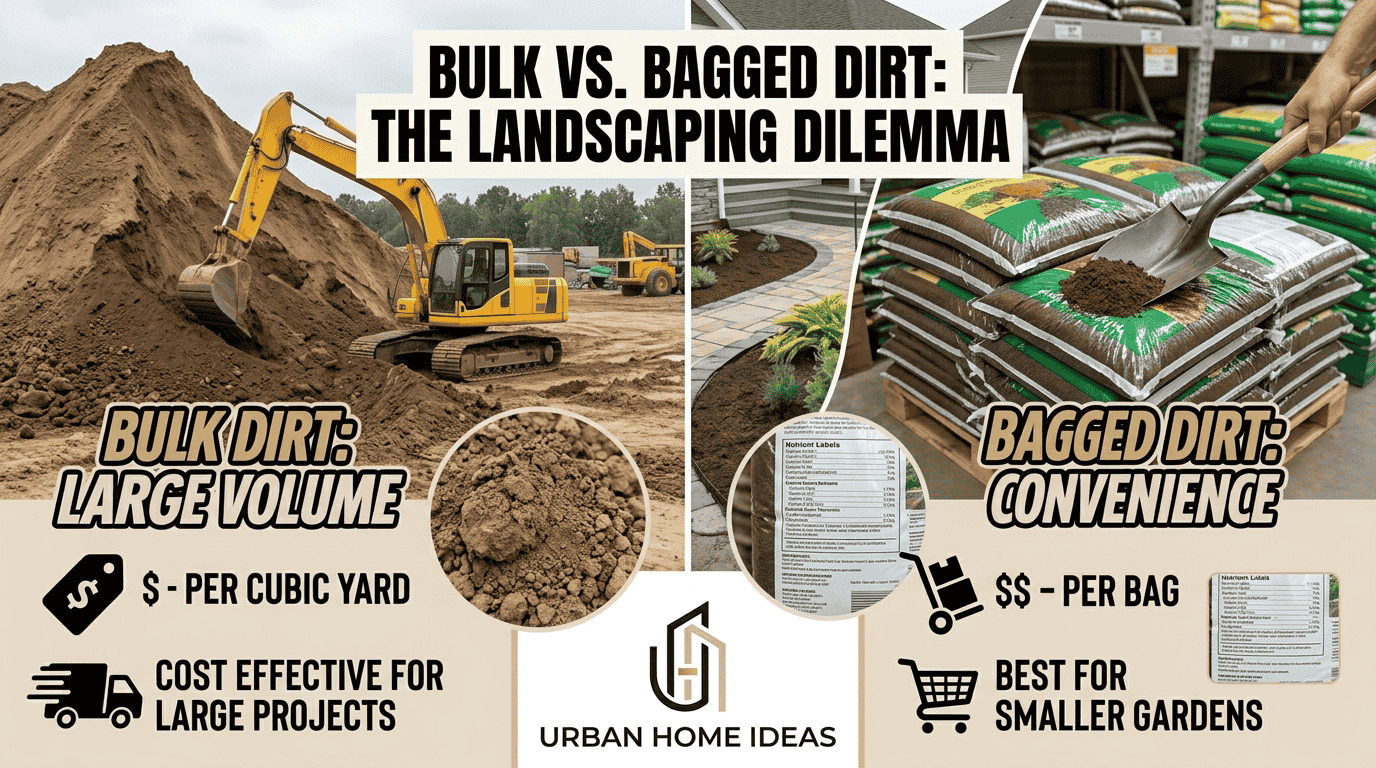
For small jobs, however, bagged dirt may be more practical because the buyer can purchase only the amount required. The best option depends on project size and how much soil or dirt must be moved.
Seasonal Variations
Seasonal variations can influence prices because demand and availability change during the year. Busy gardening seasons and construction seasons may place greater pressure on local supplies.
Those conditions can contribute to seasonal price variations, so the cost of soil or dirt does not necessarily remain identical throughout the year.
Budgeting Tips When Buying Dirt
Effective budgeting starts before buying dirt. A buyer can compare prices, investigate bulk discounts, and decide whether DIY pickup or professional delivery offers better value.
The overall budget should also account for seasonal considerations, payment terms, possible financing, and local alternatives. Allowing room for contingencies reduces the risk of an unexpected cost interrupting the job. Thoughtful purchasing makes it easier to obtain the necessary soil and dirt without simply selecting the lowest advertised prices.
Compare Prices
A useful comparison includes several suppliers, not merely one quote. Buyers should compare prices for equivalent soil and dirt, including transportation or handling where applicable.
This gives a more realistic view of pricing, overall cost, and the effect each purchase will have on the budget.
Bulk Discounts
Some sellers offer bulk discounts when customers purchase large quantities of dirt or soil. This can produce meaningful savings compared with repeatedly buying smaller amounts.
Before purchasing, the buyer should compare the final price and cost of the complete bulk order rather than assuming a larger load is automatically cheaper.
DIY Vs. Delivery
Choosing between DIY hauling and delivery depends on equipment, time, and budget. A customer with a suitable vehicle may use pickup to avoid part of the delivered expense.
Professional delivery, however, can simplify transportation when a project needs substantial quantities of soil or dirt. The best choice balances convenience with cost.
Seasonal Considerations
Seasons can change local demand, availability, and prices. During active gardening and construction periods, soil and dirt may be requested more frequently.
Considering these seasonal considerations before ordering can help a buyer anticipate changes in cost.
Payment Terms And Financing
Large purchases sometimes make payment terms worth reviewing. Depending on the supplier, financing or another payment arrangement may be available.
These options should still fit the buyer’s budget, because spreading the cost does not reduce the quantity of soil or dirt being purchased. Clear terms make purchasing easier to plan.
Local Alternatives
Exploring local alternatives can reveal nearby suppliers with suitable soil or dirt. Better local availability may reduce transportation distance and associated cost.
The final price should still be compared with material quality rather than selecting a source simply because it is local.
Plan For Contingencies
A sensible plan allows for contingencies such as underestimated quantity, changed project requirements, or an additional cost.
Leaving some flexibility in the budget helps keep a project moving if more dirt or soil becomes necessary than initially expected.
How Much Soil Do You Need For Pots?
Calculating soil requirements for pots is different from ordering a large landscaping load. The capacity of containers or nursery pots should be checked before estimating soil, because the required amount depends on each container and the plant being growing in it.
A nursery-gallon is a labeling convention and should not automatically be treated as an exact U.S. liquid-gallon. Understanding labeling, gallon capacity, and actual volume helps estimate enough soil for the plants without purchasing unnecessary material.
Soil-Related Factors For Efficient Cultivation
Knowing how much is a yard of dirt solves the quantity question, but successful cultivation also depends on what that material does around plants. Useful soil characteristics support root oxygen, appropriate drainage, and balanced moisture retention.
Healthy roots also depend on nutrient availability and accessible nutrients. For efficient cultivation, these conditions influence plant growth and determine whether the chosen soil supports productive growing.
Soil Texture
Soil texture describes the physical character of soil and is closely connected with particle size. Different soil particles influence drainage, moisture retention, and aeration around roots.
Texture also affects how water moves and how suitable the material is for particular plants. Understanding this suitability helps create better conditions for growing rather than choosing soil only by appearance.
Choose Your Soil Type
The right soil type depends on the project and the needs of the plants. Sandy soil, silt soil, clay soil, and loamy soil have different physical properties.
Their texture, density, drainage, moisture retention, and fertility affect growing conditions. Looking at these soil characteristics helps determine which soil is appropriate instead of treating every soil type as interchangeable.
Sandy Soil
Sandy soil contains a noticeable proportion of sand and relatively large particles. Its soil texture usually encourages faster drainage and useful aeration around plant roots.
Because rapid drainage can affect moisture retention, growers should consider moisture and fertility when using this soil for particular plants.
Silt Soil
Silt soil contains fine silt particles and has a smoother soil texture than sandy material. Its balance of drainage and moisture retention can influence how water remains available to plant roots.
The density and fertility of the soil should also be considered when deciding whether it suits particular plants.
Clay Soil
Clay soil contains very fine clay particles. Its soil texture and greater density can slow drainage, allowing more water and increasing moisture retention.
These characteristics can affect plant roots, while fertility can still make this soil useful for suitable plants when its physical conditions are managed properly.
Loamy Soil
Loamy soil, commonly called loam, combines characteristics that can provide balanced drainage, moisture retention, and aeration.
Its soil texture can support plant roots, available nutrients, and useful fertility, which is why this soil is often considered practical for many plants and general growing needs.
FAQ
How Do I Measure The Amount Of Topsoil In My Yard?
A person should first measure the length by width of the yard. The two measurements are then multiply together to establish the surface area. If both dimensions are already recorded in feet, the next step is to account for the desired soil depth.
When depth is measured in inches, those inches divided by 12 convert the measurement into feet. In other words, 12 inches equals one foot. The surface area can then be multiplied by that converted depth to determine the required cubic feet.
To convert that figure into cubic yards, divide by 27, since one cubic yard contains 27 cubic feet. This approach gives a practical estimate of the topsoil needed and helps prevent ordering considerably more or less material than the project requires.
How Much Does A Cubic Yard Of Topsoil Weigh?
The average weight is not a fixed figure. Depending on moisture, density, and composition, a cubic yard can range from approximately 0.75 tons to 1.5 tons. Expressed another way, that is roughly 1,500 to 3,000 pounds.
For ordinary estimating, the common average of topsoil is approximately 2,000 to 2,200 pounds, equivalent to about 1 ton to 1.1 tons. These figures give a useful planning range, but the actual weight can vary considerably after rain or when the material is naturally dense.
Before transporting a full load, the buyer should check the vehicle’s payload rating and ask the supplier about the expected material weight. Treating every yard as identical can lead to poor hauling estimates because soil moisture can change the final number of tons even when volume stays the same.
How Much Topsoil Is In A Scoop?
A scoop does not have one universal measurement. In many situations, a standard scoop contains approximately 1/2 cubic yard of soil, which works out to 13.5 cubic feet. Two scoops at that size would therefore provide approximately one full cubic yard.
The exact amount, however, should be confirmed before an order is placed. Depending on the bucket capacity and the supplier, the range can extend from roughly 1/3 cubic yard to 3/4 cubic yard per scoop.
For practical estimating, the buyer should ask for the stated volume rather than relying on the word “scoop” alone. Knowing the actual amount in cubic feet makes it easier to compare loads accurately and avoid purchasing too much or too little topsoil.
How Many 40-Pound Bags Of Topsoil Make A Cubic Yard?
A practical calculation starts with volume rather than assuming every bag contains the same amount of soil. If individual 40-pound bags of topsoil each contain 0.75 cubic feet, dividing 27 by that figure gives 36.
That means approximately 36 bags are required for one full cubic yard. The 40-pound weight identifies the bag size, while its 0.75 cubic feet volume determines the calculation. Before buying multiple bags, a buyer should still check the package because actual bag volume can vary between products.
Other post
How to Make Homemade Dishwasher Detergent Easily at Home
Leather Sling Chair Explained: History, Types, Design & Comfort
Home Hacks Wutawhacks: Smart Idea For Easy Living