

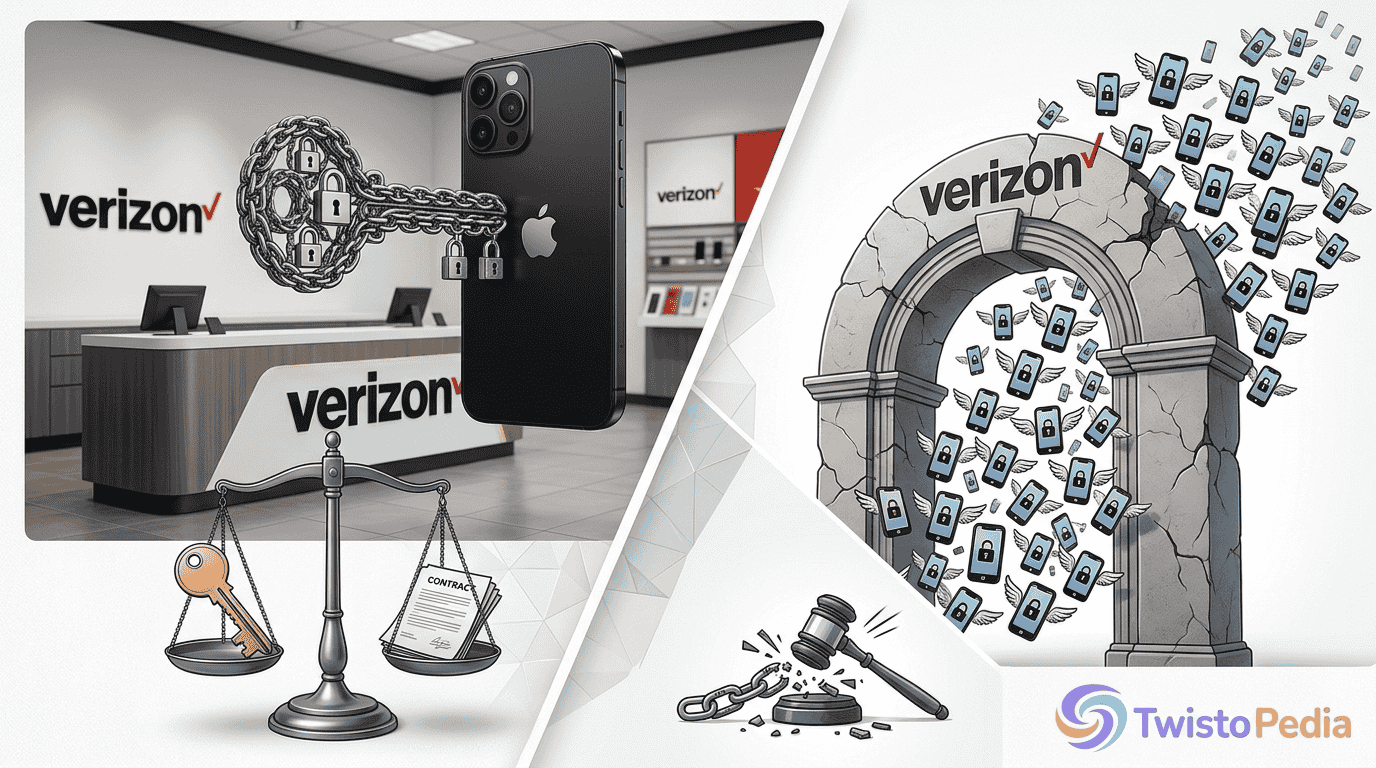
The iphone unlocking lawsuit Verizon story begins with a customer dispute involving a major wireless carrier and an iPhone 16e purchased by Kansas resident Patrick Roach. The case entered a small claims court after a disagreement about phone unlocking rules and a denied unlock request.
- Iphone Unlocking Lawsuit Verizon: Understanding The Unlocking Policy Dispute
- Customer Purchased iPhone 16e and Planned to Switch Carriers
- Verizon Changed Its iPhone Unlocking Policy
- FCC Rules And Verizon Unlocking Requirements
- Roach Took Verizon To Small Claims Court
- Court Decision And Verizon Lawsuit Outcome
- Why Verizon Refused To Unlock The iPhone
- Verizon’s Previous Unlocking Agreement
- Consumer Rights And Carrier Policy Changes
- The Impact Of The Verizon iPhone Unlock Lawsuit
The customer purchased a discounted iPhone through Straight Talk as a birthday gift for his wife. His plan included one month service before completing the 60-day unlocking period and making a switch carrier decision to move the device toward US Mobile.
The issue expanded beyond a single phone because the network, phone purchase, and device activation process created concerns about carrier policy. The dispute focused on consumer rights, prepaid service, and whether a mobile provider could apply a policy change after purchase.
From a legal viewpoint, the matter became a legal dispute involving a court case, telecom regulations, and FCC rules. The customer complaint highlighted concerns around changing policies and how phone unlocking rules affect modern smartphone ownership.
The case represents a wider conversation about consumer rights, carrier policy, and mobile provider responsibilities. The iphone unlocking lawsuit Verizon situation shows how device activation, unlock request, and policy change decisions can influence trust between users and wireless companies.
Iphone Unlocking Lawsuit Verizon: Understanding The Unlocking Policy Dispute
The iphone unlocking lawsuit Verizon became a notable example of how a customer challenged a wireless carrier over phone unlocking rules. The dispute involved an iPhone 16e, Kansas resident Patrick Roach, and questions about consumer rights in mobile services.
The case developed when the customer expected an unlocked device after meeting the required conditions. The disagreement involved phone purchase, carrier policy, and whether the mobile provider could introduce a policy change affecting previous buyers.
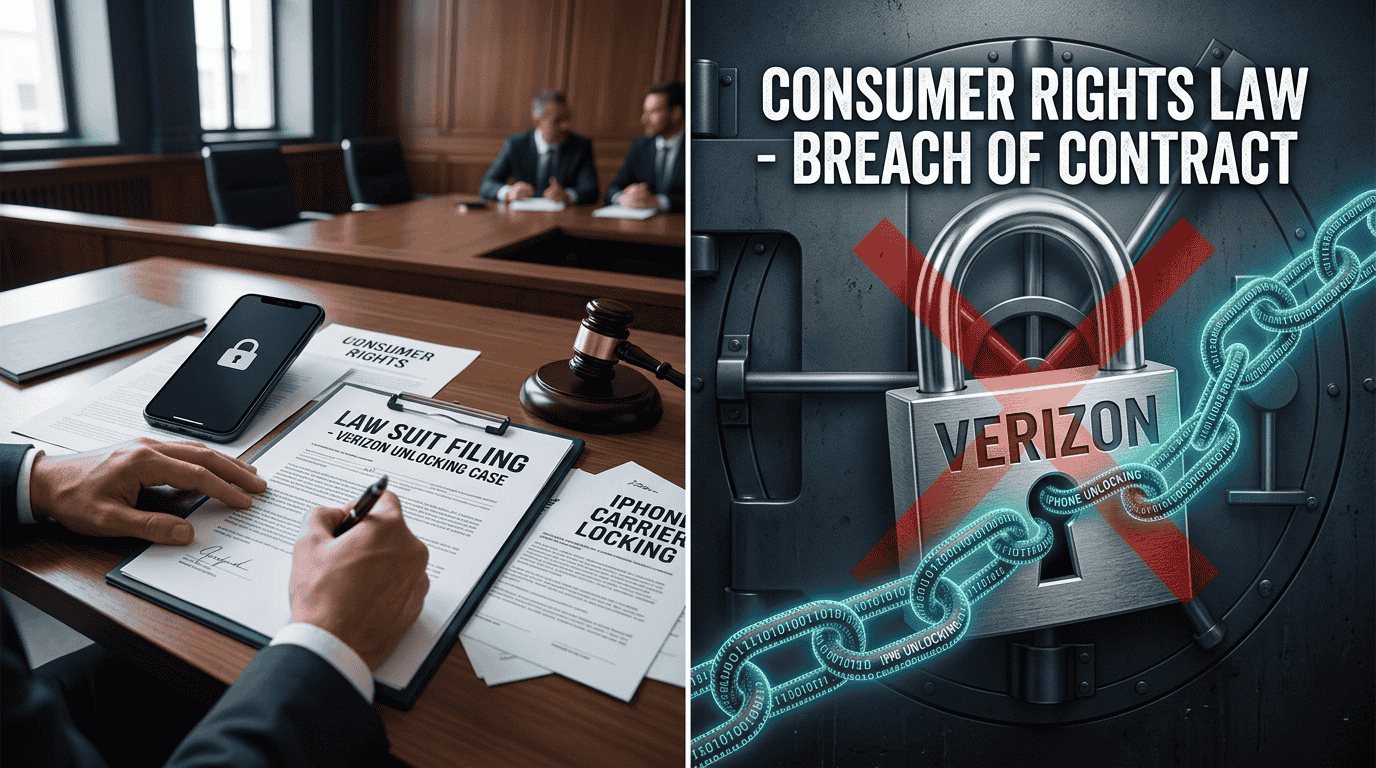
The legal battle reached small claims court where the customer complaint became a formal legal dispute. The situation involved device activation, prepaid service, and the importance of clear phone unlocking rules for smartphone users.
Industry experts viewed the case through the lens of telecom regulations and FCC rules. The dispute showed how wireless carrier decisions can influence network freedom, device flexibility, and future carrier switching options.
The outcome created awareness around consumer rights, phone unlocking rules, and responsibilities connected with a mobile provider. The iphone unlocking lawsuit Verizon case demonstrated why customers should understand carrier policy, device activation, and purchase conditions.
Customer Purchased iPhone 16e and Planned to Switch Carriers
The purchase involved an iPhone 16e that was offered as a discounted phone through Straight Talk. The customer plan focused on using temporary service before completing a carrier transfer and selecting a different mobile carrier.
After the initial activation, the device connected with the Verizon network. The buyer expected the unlocked phone to become available after the required period so the device could support better phone compatibility with a preferred network.
The timeline included the purchase date, activation date, and required service payment. These details became important because the customer expectation was based on receiving an unlocked device that allowed future switch provider options.
Many smartphone buyers consider device ownership connected with freedom of choice. In this case the prepaid phone purchase created questions about restrictions placed by a wireless network and how mobile service agreements affect users.
The dispute showed how carrier switching can become complicated when a mobile carrier controls device access. The phone gift purchase highlighted concerns about ownership rights, service commitments, and the relationship between a device and its network.
Verizon Changed Its iPhone Unlocking Policy
The disagreement started when the unlocking policy requirements changed after the iPhone purchase. The new requirement introduced a condition involving 60 days of paid active service before completing device unlocking.
The customer argued that the policy change should not affect an earlier purchase date because the original conditions were different. The case focused on whether Verizon could apply a retroactive application of new rules.
The updated process created questions about device eligibility, service requirement, and carrier conditions. The buyer believed the previous rules should continue because the phone was purchased before the updated mobile policy was introduced.
The dispute became connected with a phone unlock request and a disagreement between the prepaid customer and the carrier. The situation showed how changing telecom service terms can create uncertainty for users.
The case also involved a broader consumer dispute about fairness and communication. Clear unlocking rules, transparent purchase agreement terms, and proper explanations can help prevent similar conflicts between customers and carriers.
FCC Rules And Verizon Unlocking Requirements
The dispute also connected with FCC rules and federal communications regulations that influence how Verizon manages device access. These requirements are linked with spectrum agreements and obligations created through wireless industry standards.
The discussion involved the 700 MHz C Block spectrum and related FCC requirements for wireless carriers. These rules established expectations around device unlocking, especially after device activation and the required unlocking timeline.
The main concern focused on the 60-day countdown connected with phone unlocking. The customer argued that the federal framework did not necessarily require continuous payments as part of the federal requirement for unlocking.
The case also involved Straight Talk and TracFone brands because these services operate under connected wireless structures. The issue showed how carrier obligations and mobile regulations affect everyday smartphone users.
From a compliance perspective, telecom compliance depends on how companies interpret rules and communicate them. The situation created awareness about consumer protection, FCC complaint options, and responsibilities connected with paid service requirement.
Roach Took Verizon To Small Claims Court
The customer decided to move forward with a lawsuit after the unlocking disagreement continued. The customer lawsuit became a form of legal action when the issue reached a court hearing through small claims court.
The case was handled through self representation without a lawyer. During the process, a Verizon representative appeared while the customer explained the situation involving the device restriction and unlocking problem.
The court process included discussions about court costs, a possible settlement offer, and a proposed $600 settlement. The customer rejected the offer because he wanted greater transparency regarding the carrier decision.
The disagreement involved a consumer dispute and a larger conversation about fairness between individuals and companies. The legal process allowed the customer to present concerns about the carrier dispute and phone unlocking issue.
The hearing eventually moved toward a court decision involving customer rights. The case demonstrated how consumers can use available legal options when they believe a company decision affects their expected service.
Court Decision And Verizon Lawsuit Outcome
The final court decision resulted in a judge ruling that favored the customer. The outcome became a customer victory after reviewing the dispute around unlocking conditions and device expectations.
The ruling included a refund of $410.40 along with additional court costs and service fees. The decision considered the original device payment and the overall phone value affected by the policy disagreement.
The case showed how a retroactive policy can create problems when customers purchase products under different expectations. The court addressed concerns related to policy change and the responsibility of companies.
After the legal outcome, the phone unlocked process was completed through additional steps involving additional service payment and connection with US Mobile.
The lawsuit result created discussion around carrier responsibility, consumer compensation, and customer protection. The outcome represented an important example of how legal decisions can influence mobile industry practices.
Why Verizon Refused To Unlock The iPhone
The disagreement started because Verizon declined the iPhone unlocking request based on its updated requirements. The unlock refusal created questions about device eligibility, especially when the customer believed the device should qualify.
The carrier explained that the phone needed 60 days paid active service before meeting the unlocking requirement. However, the customer argued that the policy update happened after the original customer purchase was completed.
The dispute focused on whether the company could use retroactive policy application and change the original purchase terms. The service condition became the main point between the carrier explanation and customer expectations.
The situation included different views from both sides. The carrier argument focused on current rules while the customer argument focused on previous conditions connected with the phone purchase.
The final court ruling addressed the unlocking dispute by reviewing the phone activation, consumer complaint, and device restriction concerns. The case showed how unlocking policies can impact ownership experiences.
Verizon’s Previous Unlocking Agreement
The earlier Verizon approach to devices was connected with an unlocking agreement created through industry obligations. The 700 MHz C Block spectrum played an important role in shaping these wireless conditions.
The agreement included specific FCC requirements related to wireless spectrum usage and carrier obligations. These rules influenced how companies handled device unlocking for customers using supported devices.
The 60-day requirement became a key part of discussions around unlocking access. The process connected mobile regulations with the responsibilities of a telecom agreement between providers and consumers.
Understanding these rules helps explain why customer devices often have different restrictions. Phone restrictions can depend on agreements, network policies, and federal conditions established for each network provider.
The case brought attention to how historical agreements continue affecting modern smartphone services. Users often expect simple ownership while providers must follow specific regulatory frameworks.
Consumer Rights And Carrier Policy Changes
The case created a wider discussion about consumer rights when companies introduce carrier policy changes. Customers often expect transparency when making a customer purchase involving expensive electronic products.
Changing company policies after a transaction can influence product expectations and create confusion. Clear communication helps customers understand purchase conditions before accepting mobile service agreements.
The dispute showed how individuals can use legal channels when facing disagreements with large companies. A single consumer can challenge decisions through available processes and request accountability.
The situation also highlighted the importance of telecom policies and responsible business practices. Strong customer protection depends on fair rules and proper explanation of service conditions.
The case became an example of a legal challenge involving policy transparency, mobile services, and relationships between companies and users. Consumer awareness continues to shape future industry decisions.
The Impact Of The Verizon iPhone Unlock Lawsuit
The Verizon iPhone unlock lawsuit created attention across the telecom industry because it involved questions about policy transparency and how carrier practices influence customers.
The discussion expanded around unlocking requirements and the importance of customer awareness before purchasing discounted devices. Users became more interested in understanding restrictions applied by mobile providers.
The legal outcome highlighted the role of consumer protection and the possible legal impact of unclear policies. The case showed why companies need better communication about device limitations.
The issue also affected discussions around discounted phones, device unlocking, and carrier accountability. The wireless industry continues to evaluate how customers experience ownership after buying network-connected devices.
From a user perspective, the case improved customer experience awareness. It encouraged people to check unlocking terms, service commitments, and carrier rules before selecting a mobile provider.