

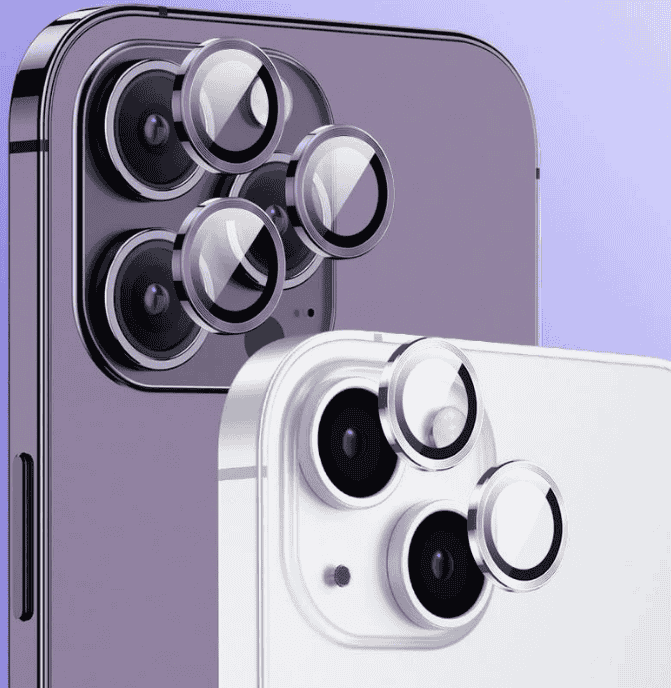
An iPhone camera lens can refer to the built-in camera system, an external lens attachment for iphone camera, or a repair/protection part such as an iphone camera lens protector or replacement glass. The right option depends on whether you want better reach, a wider view, more detail, a more cinematic look, or a practical way to protect iphone camera lens parts on models ranging from iphone 13 camera lens setups to newer iphone 17 pro camera lens systems.
- What Is an iPhone Camera Lens and What Can You Actually Do With One?
- Why Would You Add a Lens to an iPhone Camera?
- What Types of iPhone Camera Lenses Are Available?
- Which iPhone Telephoto Lens Is Best for Zoom and Distant Subjects?
- Which Wide-Angle Lens for iPhone Gives You the Biggest View?
- What’s the Best Macro Lens for iPhone Close-Up Photography?
- Which Anamorphic Lens for iPhone Creates a Cinematic Look?
- When Should You Use a Fisheye Lens on iPhone?
- Which iPhone Camera Lens Works Best for Landscape Photography?
- Which Lens Is Best for iPhone Portraits?
- How Do Different iPhone Lenses Handle Flare and Backlight?
- How Do You Attach an iPhone Camera Lens and Make Sure It Fits?
- Can You Use Filters and Accessories With an iPhone Camera Lens?
- Are iPhone Camera Lens Kits and Bundles Worth Buying?
- How Do You Replace a Damaged iPhone Camera Lens or Lens Glass?
- What’s the Difference Between V.Series and P.Series iPhone Lenses?
- Which iPhone Lens Should a Beginner Start With?
- How Do You Attach Beastgrip Lenses to an iPhone?
- Can You Use Filters With Beastgrip iPhone Lenses?
- Which iPhone Camera Should You Use With Beastgrip Lenses?
- Do You Need a Third-Party Camera App for iPhone Lenses?
- Can You Use iPhone Camera Lenses for Both Photos and Video?
- Which Beastgrip Lens Should You Choose for Your iPhone?
- Which iPhone Models Work With Beastgrip Lenses?
- Can You Switch Between iPhone Cameras While Using an External Lens?
In practice, I see people mix up three separate needs: they search for the best camera lens for iphone, then end up needing a camera lens protector for the iphone instead, or they assume an iphone mobile camera lens add-on will behave like a full interchangeable-lens camera. A smarter way to approach the topic is to separate creative tools from maintenance tools: an iphone camera attachment lens expands shooting options, an iphone camera lens cover helps prevent scratches, and an iphone 13 pro max camera lens replacement solves damage rather than improving image style.
External lenses are most useful when you want a different field of view or a more specialized optical effect than the phone gives you out of the box. Replacement parts and protectors matter when the goal is durability, resale value, or restoring image quality after cracks, dust, or damaged glass.
What Is an iPhone Camera Lens and What Can You Actually Do With One?
An iPhone camera lens lets you either change how the iPhone sees a scene or maintain the optical hardware so image quality stays usable over time.
From a creative standpoint, an external camera lens iphone setup gives you more creative freedom because it can expand what your phone can see and push iPhone photography to the next level without moving to a dedicated camera. Good mobile lenses act like professional camera lenses in miniature: they transform a smartphone into a more flexible tool for travel, portraits, macro work, or video. That is why best lenses for iPhone photography keep showing up in serious creator workflows instead of only in hobby setups.
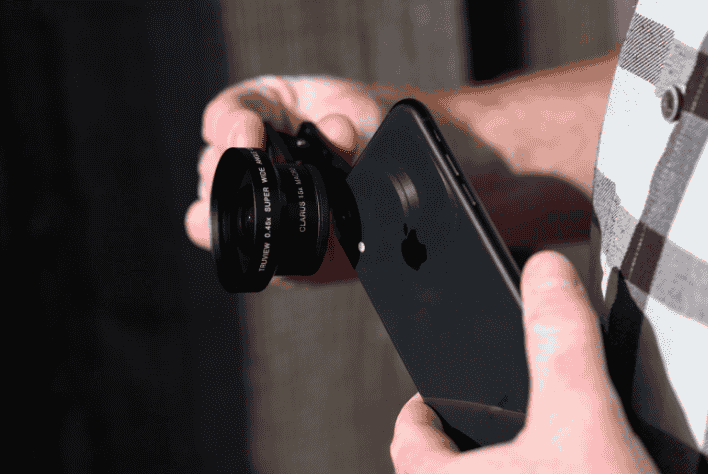
From a buying standpoint, the category is broader than most search results suggest. Some products are compatible with previous iPhone models, while others target current Pro devices or work across ecosystems for a more pro-camera workflow. In real use, the question is not whether an iphone camera lens moment style accessory or iphone moment camera lens is “better” in the abstract; it is whether the lens solves the exact framing or durability problem you have.
Why Would You Add a Lens to an iPhone Camera?
You add a lens to an iPhone camera when you want optical changes that software alone cannot reproduce cleanly.
The most important advantage is optical behavior. A well-made external lens can create natural bokeh, more realistic depth of field, and smoother background blur because physical glass elements change light before it reaches the sensor. That is different from software alone, which can imitate blur but cannot fully recreate true optical precision, natural depth, or the same real optical effect in hair edges, reflective surfaces, or low-contrast backgrounds. In my own testing, the gap becomes obvious in portraits and close framing where optical clarity matters more than novelty.
Another reason is image retention. Some lens systems are designed to preserve full sensor quality and even full 48MP resolution on the main 1x camera, instead of relying on digital cropping from smaller secondary cameras or a weaker crop from a tele/periscope camera. According to the fact bank, some systems use larger high-grade optics so more glass more light reaches the sensor without forcing higher ISO, which helps in low light and other challenging conditions.
A third reason is perspective control. External options create a wider perspective, closer detail, stronger compression in telephoto work, and more varied creative options for photographers and filmmakers. The benefit is not that every add-on lens will score perfectly; it is that a good external lens can deliver sharper brighter images with less dependence on processed results, less loss of image quality, and less need for cropping that can reduce image quality. For users comparing a wide camera lens iphone, an iphone camera telephoto lens, or an iphone camera zoom lens, the real gain is control over perspective rather than a gimmick.
- Optical depth: Better subject rendering through physical glass elements rather than only software blur.
- Sensor use: Better use of the main 1x camera and cleaner preservation of detail instead of heavy digital cropping.
- Creative range: More options across telephoto, anamorphic, fisheye, and macro looks.
What Types of iPhone Camera Lenses Are Available?
The main types of iPhone camera lenses are telephoto, wide-angle, macro, anamorphic, and fisheye, with each one solving a different shooting problem.
The easiest way to judge a camera lens for iphone is by use case, not by brand page copy. A telephoto lens helps with portrait, sports, safari, moon, or other distant subjects. A wide-angle or wide angle option is better for landscapes, travel, street, city, and live streaming where you need more scene in frame. A macro or micro lens is for detail, while anamorphic is for cinema-inspired framing and fisheye for a deliberately stylized look. There are also niche options such as a probe lens or microscope lens for specialized close observation.
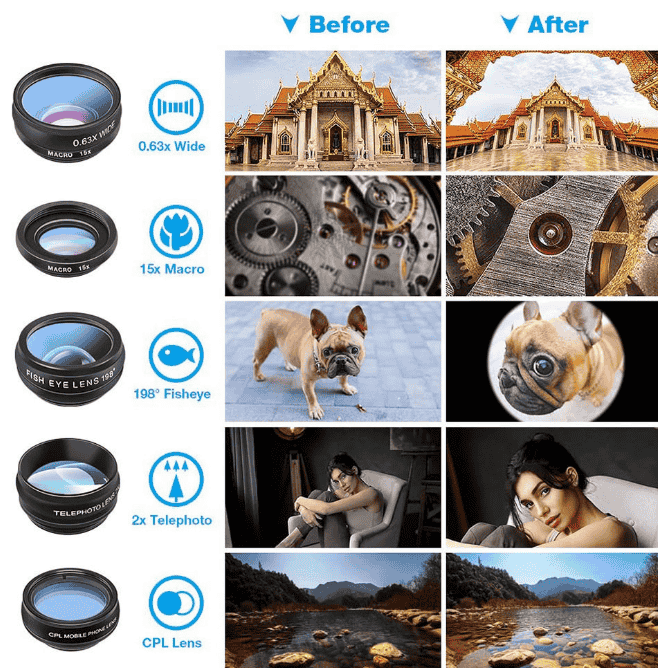
Some products are sold as dedicated lenses, while others come in kits with filters and clips. Budget clip-ons coexist with higher-end systems, so someone looking for an iphone camera lens kit may see everything from lightweight accessories to more serious mounts. That is also why searches for iphone camera lens attachments, iphone camera lens accessories, or lens attachment for iphone camera surface very different products.
| Lens Type | Best For | What It Changes |
| Telephoto | Portraits, distant subjects, events | More reach, tighter perspectives, and stronger depth control. |
| Wide-angle | Travel, interiors, landscapes | Broader view, more scene detail, and more framing control. |
| Macro | Products, textures, close subjects | Enlarged fine details and close focusing. |
| Anamorphic | Cinematic video, stylized footage | Wider frame and filmic rendering. |
| Fisheye | Action, skateboarding, POV | Exaggerated curvature and immersive framing. |
In other words, the difference between an iphone camera attachment lens and a repair part like an iphone 14 pro camera lens replacement is huge: one is about image-making, the other is about restoring function. That sounds obvious, but it is where a lot of buying mistakes start.
Which iPhone Telephoto Lens Is Best for Zoom and Distant Subjects?
The best iPhone telephoto lens for zoom and distant subjects is the one that gives you true optical reach with acceptable sharpness, stable alignment, and a focal length that fits the subject distance you actually shoot.
If your goal is reach, the category spans everything from a Telephoto 2x style look to much more aggressive options such as Telephoto 6x, Telephoto 10x, and even branded claims around 240mm Reach or 240mm Super Zoom. In the fact bank, telephoto offerings range from 58mm Standard equivalents to 144mm Zoom, 3x Optical Magnification, 2x Enhanced Zoom, and 4x Enhanced Zoom models. That matters because a lens that sounds exciting on a product page may be impractical for handheld use if your subject distance, light, or stability is wrong.
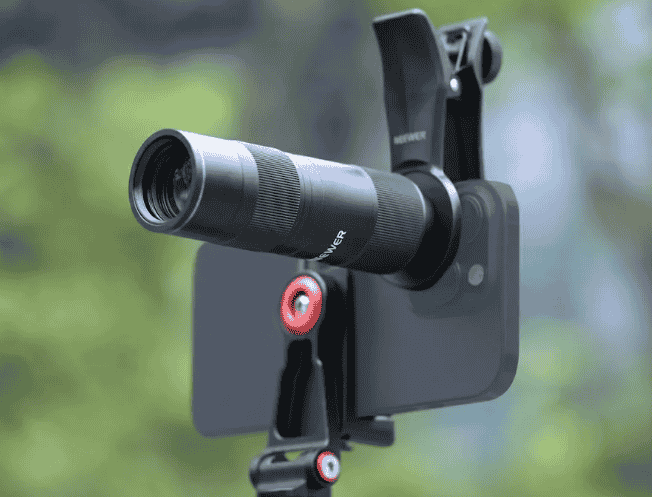
For portrait use, moderate telephoto often wins. The Moment Tele 58mm Lens is documented as making subjects appear 2x closer than a bare phone lens, and the fact bank states it had the highest overall test scores with standout center sharpness and color rendition. That makes sense in practice: moderate telephoto usually gives better subject separation, a more natural perspective, and a shallower depth of field feel without becoming too fiddly. For creators comparing an iphone 15 pro camera lens, iphone 15 pro max camera lens, or a third-party best iphone camera lens zoom option, this middle ground is often more useful than chasing extreme numbers.
Longer zoom becomes more specialized. A system built around distant subjects, landscapes, or compressed framing can be a serious creative tool, but larger telephoto options are often large, sometimes expensive, and more vulnerable to flare, reduced micro-contrast, or harder setup when shooting toward the sun. I usually tell people to avoid assuming that more magnification automatically means better photos. A carefully aligned Pro Series 1.7X Telephoto Lens, SuperZoom lens, or 60mm Tele can look cleaner than an awkward 4x to 10x mobile zoom accessory if the mounting and light are better.
Which Wide-Angle Lens for iPhone Gives You the Biggest View?
The wide-angle lens for iPhone that gives you the biggest usable view is the one that expands the frame without ruining corners, color, or edge detail.
A broad field is easy to advertise and harder to execute. In the fact bank and semantic set, options include 16mm Ultrawide, 16mm Wide, P.Series 16mm, V.Series 16mm, the Moment Wide 18mm Lens, and the Kenko Pro Series 0.75X Wide Angle Lens. The real question is not simply which lens is widest, but which one holds up across the field of view. In practical use, a wider lens is only helpful if the frame, scene, and corners remain usable rather than collapsing into heavy blur and distortion.
The tradeoff pattern is predictable. Cheaper or simpler wide adapters often introduce vignetting, ghosting, distortion, distorting, and general softening, especially around the perimeter. Better designs usually keep sharper edges, stronger edge sharpness, and less obvious falloff. According to the fact bank, the Moment Wide 18mm Lens was tested extensively, and wide-lens comparisons looked closely at sharpness and color under real outdoor conditions. That lines up with experience: a lens that looks fine on a desk can break apart in backlit situations or when shooting interiors and open spaces with complex lines.
For buyers considering an iphone 16 camera lens, iphone 16 pro camera lens, or iphone 16 pro max camera lens attachment, wide-angle add-ons are most useful when the native iPhone lens is still not broad enough for travel scenes or establishing shots. If you want a cleaner premium look, pay attention to corner control and flare resistance, not just the promise of a bigger view from a bare iPhone lens.
What’s the Best Macro Lens for iPhone Close-Up Photography?
The best macro lens for iPhone close-up photography is the one that balances magnification, working distance, and usable sharpness instead of chasing the most dramatic spec.
Macro lenses are easy to misunderstand because huge magnification sounds impressive until you cannot light the subject or keep focus stable. In the pool, that tension shows up in terms like image magnification, reproduction rate, working distance, and focus closer. A practical macro tool lets you capture fine details, small details, and refined detail without forcing the phone so close that the shot becomes frustrating. That is why a V.Series 75mm Macro, 75mm Macro, or Macro 100mm Lens can be more useful than a novelty clip claiming extreme power.
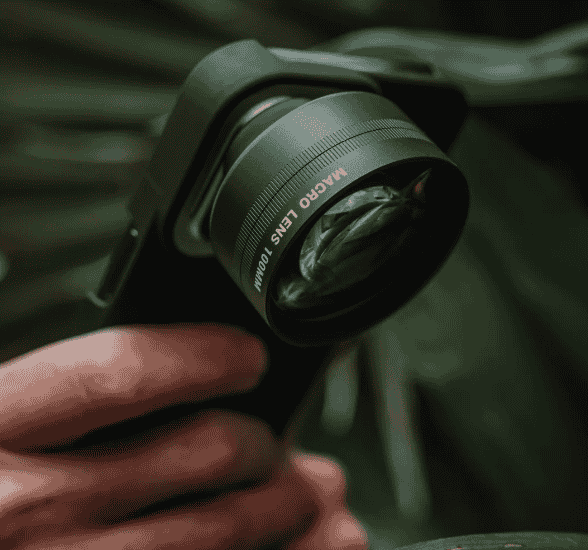
The fact bank includes both specialized options and budget alternatives, from the Pro Series Macro Lens to smartphone macro kits with built-in accessories. Test language around the Lolinda subject, a 3D-printed piggy bank about 2.5″ wide, suggests that serious evaluations looked beyond marketing copy and checked actual rendering. That matters. A good macro lens preserves color, manages distortion, and keeps sharp eye-catching images where textures still look convincing rather than mushy. Even a Microscope-style attachment or 40x Detail tool has limited value if the edges fall apart.
For shoppers looking at an iphone 11 camera lens, iphone 13 camera lens protector, or iphone 16 pro camera lens replacement, macro is unrelated to repair parts, but it often appears in the same search ecosystem. If the goal is photography rather than maintenance, choose based on subjects, not hype: jewelry, products, textures, and close-up detail all benefit from a lens with manageable vignetting, decent sharpness, and a realistic macro effect.
Which Anamorphic Lens for iPhone Creates a Cinematic Look?
The anamorphic lens for iPhone that creates the most cinematic look is the one that gives you a wider frame, controlled flare, and a de-squeezed image that still feels usable outside a demo shot.
What separates anamorphic from ordinary phone footage is not magic; it is geometry. A lens such as the Moment Anamorphic Lens or the Pro Series 1.33X Anamorphic Lens MK2 applies a 1.33x horizontal squeeze, effectively squeezing the image so you can later de-squeeze it into a broader aspect ratio and a wider film-like frame. If you want something more aggressive, the Pro Series 1.55X Anamorphic Lens MK2 pushes a 1.55x Anamorphic look with a more dramatic width than 1.33x Anamorphic designs.
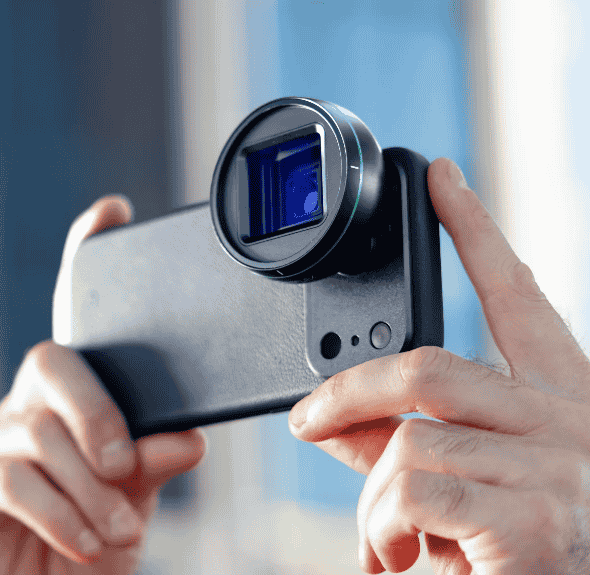
In use, the attraction is style. Good anamorphic glass creates characteristic lens flares, from a long thin flare to a massive horizontal flare, while also giving a distinctive look, compelling colors, and a cinematic widescreen image that feels different from standard phone footage. The fact bank also distinguishes between a more everyday cinematic look and a wider, more dramatic frame, which mirrors what I have seen in practice.
The downside is handling. Anamorphic lenses can be difficult to use, especially if you switch between vertical orientation and horizontal orientation, forget app support, or expect the lens to suit every scene. Still, when the wide frame, minimal distortion, sharp rendering, and a bit of warmth come together, anamorphic remains the fastest way to give iPhone video a unique and creative look across varied shooting scenarios.
When Should You Use a Fisheye Lens on iPhone?
You should use a fisheye lens on iPhone when you want deliberate distortion, stronger motion energy, or a point-of-view shot that feels immersive rather than realistic.
A good fisheye lens is not a general-purpose upgrade; it is a stylistic tool for action shots, sports, skate, cycling, and other scenes where movement matters more than accurate geometry. That is why models like the Pro Series Circular Fisheye, Pro Series Fisheye Lens, or V.Series 200° Fisheye stand out. The point is the exaggerated curve, not correction.
The appeal comes from the visual effect. A fisheye gives you curved distortion, an ultra wide field of view, and a more immersive perspective that can make subjects feel closer, faster, and more alive. For helmet-mounted clips, board footage, low-angle motion, or POV angles, that energetic look creates bold creative perspectives that ordinary ultra-wide cameras rarely match.
I would not recommend fisheye for everything. It works best when the scene benefits from creative shots, ultra-wide framing, and a consciously exaggerated style. If you want cleaner architecture or portraits, a regular wide lens is safer; if you want Bold Perspectives, fisheye is exactly the point.
Which iPhone Camera Lens Works Best for Landscape Photography?
The iPhone camera lens that works best for landscape photography is the one that preserves edge detail, controls distortion, and keeps color stable across a large scene.
Landscape performance is where marketing language usually runs into physics. A lens can look good on a close subject and fall apart on a broad outdoor composition, especially at the edges. That is why the test context matters: the fact bank notes landscape testing at Lake Tahoe in winter near sunset, with a rocky outcrop, broad skies, and real terrain instead of studio charts. That kind of head-to-head setup tells you more about practical performance than polished sample galleries.
The best landscape result usually comes from a wide lens that can hold sharpness from the center of the frame into the corners of the frame while keeping image distortions and visible distortion under control. In comparisons, the Moment Wide 18mm was noted as a top performer, while the Moment Anamorphic Lens also remained a top contender in certain scenes. Even then, no lens wins every category. Some preserve detail and color rendition but show reduced sharpness at the edges or lose clarity on very rugged terrain.
My own rule is simple: the best lens for landscapes is not always the widest lens. A lens that keeps image quality balanced across the frame will outperform a more dramatic option that looks big but weakens in the corners. In real-world environment testing, that tradeoff matters more than headline specs.
Which Lens Is Best for iPhone Portraits?
The best lens for iPhone portraits is usually a moderate telephoto lens because it gives flattering compression, stronger subject separation, and cleaner facial proportions than a very wide lens.
Portraits reward restraint. A lens close to a traditional portrait focal length tends to look more natural than an extreme wide or an exaggerated long zoom. That is why the Moment Tele 58mm Lens stands out in the fact bank and why it is easy to see it called a best lens for portraits. A 58mm-equivalent style view creates better compression without pushing you too far from the subject.
The most useful telephoto portrait qualities are subtle rather than flashy: improved micro-contrast, a sharper subject, controlled background rendering, and more flattering edge behavior. In testing language, the Moment Anamorphic Lens appeared as a runner-up in some portrait-related use because its wide frame and rendering can be appealing, but most people still get more consistent faces from a longer focal length.
In short, portrait success is about balance. Across the competition, the most reliable portrait lens is usually one with a longer focal length, stable color, and reasonable edge control rather than the lens with the biggest headline effect among the three tested options.
How Do Different iPhone Lenses Handle Flare and Backlight?
Different iPhone lenses handle flare and backlight very differently, and the best performers are usually the ones that stay controlled when bright light enters the frame directly.
Flare testing matters because outdoor shooting rarely happens in perfect front light. The fact bank and semantic set point to a forest scene, tricky lighting, and shooting directly into the sun as a meaningful stress test. In that kind of setup, even good lenses can create haze, streaks, or loss of contrast that does not show up indoors.
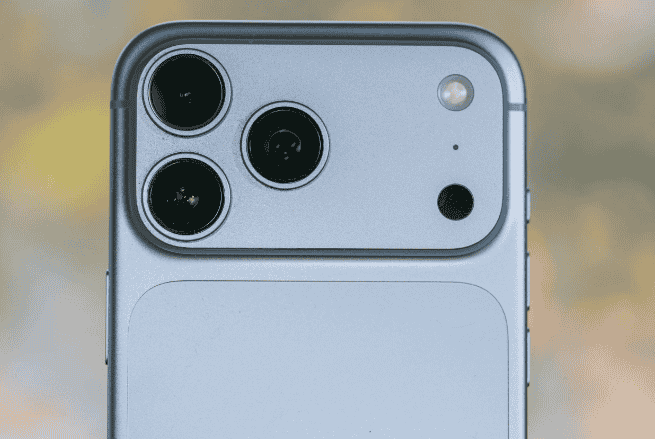
Among the tested options, the Moment Anamorphic was associated with the least flare, while the Moment Wide 18mm and Xenvo Pro provided useful comparison points. That does not mean other lenses fail outright. It means some are better at avoiding sloppy flare, especially when a most massive lens design or extra front element area makes reflections more likely.
One important nuance is that macro lenses excluded from some flare comparisons should not be judged by the same standards. For most iPhone lenses, flare control is a mix of coating quality, shape, and shooting angle. In practice, backlight handling can matter as much as sharpness if you shoot sunsets, windows, or reflective streets often.
How Do You Attach an iPhone Camera Lens and Make Sure It Fits?
You attach an iPhone camera lens properly by choosing the right mount, aligning it precisely over the correct camera, and confirming that the phone model and case system are actually compatible.
The mounting method matters as much as the lens. Some brands use an M37 lens mount, some rely on a Universal S.Mount, and others offer Clip Mount, Case Mount, or Filter Mount options. The fact bank also notes support systems such as a Beastcage, a Pro universal camera rig, and branded iPhone camera cases. In practice, the cleaner systems are the ones that encourage precise alignment, reduce wobble, and keep the lens centered over the intended module.
The most common mistake is poor positioning. External optics need exact optical alignment or perfect alignment with the intended camera to avoid softness, dark corners, and unexpected artifacts. Some ecosystems promise adjustable alignment, fast secure attachment, and more confidence, especially when the lens is mounted through a S.Mount system, S.Mount camera case, M Mount, or a dedicated Camera Case. That matters even more if the lens depends on threading, a thread adapter, or a specific camera position.
Another fit issue is compatibility scope. Some systems target iPhone 14-17 Pro/Pro Max models, while others extend to iPhone 18 Pro, iPhone 18 Pro Max, previous iPhone models, selected Android Flagship models, Android, other phones, or even tablets through a Universal Mount. Optical quality is only part of the story; optical performance also depends on phone model, specific iPhone model, lens spacing, and whether the mount is the quickest or fastest to install option you will actually use regularly.
- Check compatibility first: Match the lens system to the exact phone model or specific iPhone model before buying.
- Choose the right mount: Use the intended Case Mount, Clip Mount, Universal Mount, or rig-based setup rather than improvising.
- Align the lens carefully: Center the optics for exact optical alignment over the correct camera.
- Test before shooting seriously: Confirm edge quality, focus behavior, and vignetting in daylight before relying on the setup.
- Secure the system: Make sure the attachment feels secure and stable enough for walking, panning, or travel use.
Can You Use Filters and Accessories With an iPhone Camera Lens?
Yes, many iPhone camera lenses can use filters and accessories, but compatibility depends on the lens family, filter mount size, and whether the lens design physically supports add-ons.
Filter support is more nuanced than most buyers expect. In the fact bank, some systems offer a 37mm filter mount, others a 62mm filter mount, and some expand further with a 37 to 58mm step up ring or a 62 to 77mm adapter ring. There are also ecosystems built around a magnetic filter mount, Magnetic Filters, or 72mm Magnetic Filters. The key point is that filter compatibility is not universal even when the lens itself fits the phone.
The most useful accessories solve practical image problems. A CPL Filter helps with reflections and can reduce glare on water, windows, and polished surfaces. A VND Filter helps manage exposure for video in bright light. A Black Mist 1/2 Filter can soften digital sharpness and tame highlights. Some systems also support PL & ND Filters through a lens-to-filter mounting adapter or a direct snap-on system, which is helpful in more deliberate mobile photography workflows.
Not every lens can take filters. Some Fisheye lenses do not support filters, while P.Series lenses and V.Series lenses may require different adapter logic for Wide Angle, Telephoto, Macro Lens, or Anamorphic options. That is why I treat filters and lens accessories as part of the buying decision, not an afterthought.
- Polarizing control: CPL Filter for reflections and surface glare.
- Exposure control: VND Filter for bright outdoor shooting.
- Diffusion look: Black Mist 1/2 Filter to soften digital harshness.
- Mount logic: Check 37mm filter mount, 62mm filter mount, adapter rings, or magnetic filter mount support before purchase.
Are iPhone Camera Lens Kits and Bundles Worth Buying?
iPhone camera lens kits and bundles are worth buying when the included lenses, mounts, and filters match the way you actually shoot more closely than a single-lens purchase would.
Bundles make sense when you want a ready-made system instead of assembling parts one by one. In the fact bank, that can mean Mobile Lens Bundles, a Vision Kit, Feature Kit, Editorial Kit, Director’s Kit, Director’s Kit Pro, or a P.Series Travel Grip Bundle. There are also more targeted options like a 2x SuperZoom Macro Kit, 3.5x SuperZoom Macro Kit, 3.5x SuperZoom Filters Kit, 2x SuperZoom Full Kit, and 3.5x SuperZoom Full Kit. In practice, the right bundle is the one that reduces friction rather than adding gear you never touch.
Price matters, but composition matters more. Some kits emphasize a wide-angle lens, some add an integrated macro lens, and some behave more like an integrated two-lens system. The fact bank includes both sale price and regular price ranges, so buyers can compare value instead of only looking at a headline discount. A bundle can be smart if it improves edge sharpness, sharpness, and color rendition across several use cases, but a cheaper set becomes wasteful if half the accessories stay in a drawer.
Portability is the other filter I use. The Xenvo Pro Lens Kit is a classic example of a kit that is easy to understand, while larger packages can become very large or awkward without a case. If you want the best two-lens kit for regular travel, look at what you will carry every week rather than what sounds impressive on a spec sheet.
| Bundle or Kit Type | Best For | Buying Logic |
| Vision Kit / Feature Kit / Editorial Kit | General creators | Balanced starter systems with less guesswork. |
| Director’s Kit / Director’s Kit Pro | Advanced mobile filmmaking | More complete setup, higher cost, and more gear to manage. |
| 2x SuperZoom Macro Kit / 3.5x SuperZoom Macro Kit | Mixed zoom and close-up detail | Useful if you regularly shoot both distant subjects and product details. |
| 2x SuperZoom Full Kit / 3.5x SuperZoom Full Kit | Lens-first expansion | Better for users building their setup around telephoto reach. |
| p.Starter Kit / P.Series Travel Grip Bundle | Portability and casual carry | Simpler entry point for everyday shooting. |
How Do You Replace a Damaged iPhone Camera Lens or Lens Glass?
You replace a damaged iPhone camera lens or lens glass by confirming whether the damage is only the outer glass or the entire camera module, then using the correct replacement part and tools for that exact phone model.
This category is often misunderstood because a cracked cover and a failed camera are not the same repair. Some listings are for Camera Lens Glass Replacement, Rear Camera Lens Glass Replacement, or a Rear Back Camera Glass Lens Replacement Kit. Others are for a full Camera Lens Replacement, Back Camera Lens Replacement Kit, or even a Rear Camera Module. The difference matters because a scratched cover may only need outer glass, while a damaged sensor assembly needs a deeper fix.
The fact bank includes a wide spread of model-specific parts, including iPhone 8, iPhone 11, iPhone 11 Pro / Pro Max, iPhone 13, 13mini, iPhone 14 Pro Max, iPhone 15, and iPhone 15 Plus. Listings also mention Repair Tool Kit, Repair Tools, or a Repairing Toolkit, along with pre-Installed Adhesive, Double-Sided Adhesive, and even 2 sets in some packages. Sellers such as MMOBIEL and lassajess appear in the data, and some modules specify 12MP, 6.1 inch, or 2019 fitment notes.
In my experience, buyers should slow down before ordering. If the phone still focuses cleanly and the problem is only cracked glass, an outer-lens part may be enough. If the camera image is unstable, blurry, or dead, module replacement is more realistic than hoping a cosmetic fix will restore performance.
| Repair Need | Typical Part Type | Notes |
| Scratched or cracked outer glass | Camera Lens Glass Replacement | Best when the image sensor still works normally. |
| Broken rear lens cover with adhesive install | Rear Camera Lens Glass Replacement | Often includes adhesive-backed parts. |
| Full camera failure | Rear Camera Module | Needed when autofocus or image capture is affected. |
| DIY repair setup | Repair Tool Kit / Repair Tools | Useful only if the part truly matches the exact model. |
- Identify the damage: Check whether the issue is cracked glass, dust under the glass, or a dead camera.
- Match the exact model: Confirm the part for the precise device generation, screen size, and camera layout.
- Choose the right repair type: Buy outer glass only if the camera itself still works.
- Confirm included materials: Look for pre-Installed Adhesive, Double-Sided Adhesive, and the needed toolkit.
- Install carefully or outsource it: If alignment or sealing seems risky, professional repair is safer than repeating the job.
What’s the Difference Between V.Series and P.Series iPhone Lenses?
The difference between V.Series and P.Series iPhone lenses is that V.Series is positioned as the more premium optical line, while P.Series is the more compact, portable tier for everyday use.
The semantic and fact data align on this split. V.Series is described as the premium optical tier, with full fluorite optics, up to 7 optical elements, and up to 7 coating layers per surface. That kind of build is meant to improve optical precision and overall image quality, especially for users who want stronger creative control. By contrast, P.Series is framed as a compact lens tier meant for everyday mobile photography.
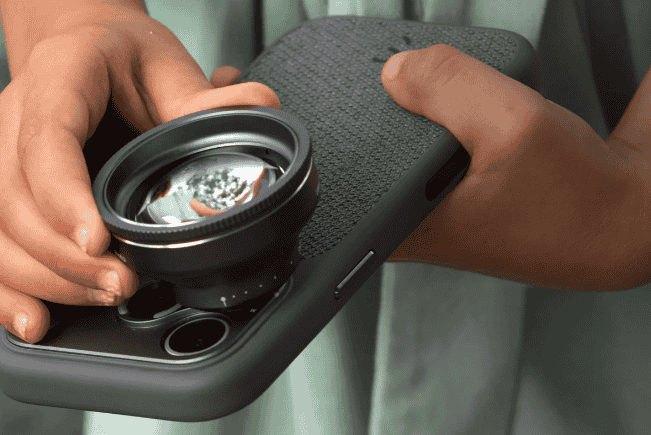
In practical terms, the decision is less about good versus bad and more about use pattern. If you are a frequent shooter or a more demanding creator, the larger optics and coatings of V.Series make more sense. If you want something lighter, simpler, and more portable, P.Series may be the better match even if it is less ambitious on paper.
Which iPhone Lens Should a Beginner Start With?
A beginner should start with the iPhone lens that matches the kind of photos they take most often, not the most dramatic lens in the catalog.
For most people, a 16mm wide option is the easiest first step because it improves wider travel scenes, landscape shots, and casual everyday framing without a steep learning curve. A 60mm style tele option is also a strong starter if you mostly shoot portraits or faraway subjects. Both are easier to live with day to day than more specialized optics.
The niche choices are fun, but they are better as second or third purchases. Macro helps with close-up details, the V.Series 200° Fisheye is good for creative POV angles and action, and a 240mm Super Zoom is useful only if you already know why you need that reach.
- Start with wide if you shoot travel, rooms, or general scenes.
- Start with telephoto if you shoot people, pets, or distant details.
- Add macro or fisheye later once you know your style and limits.
How Do You Attach Beastgrip Lenses to an iPhone?
You attach Beastgrip lenses to an iPhone by mounting the lens through the M37 lens mount system and securing it in the proper Beastgrip support hardware.
The key hardware in this setup is the Beastcage or the Pro universal camera rig, depending on how you build the phone. Once the lens is aligned and you attach it correctly, the fit should feel secure rather than improvised. Beastgrip is not just a clip-on shortcut; it is a more deliberate lens-mounting system for iPhone shooters who want repeatable positioning.
Can You Use Filters With Beastgrip iPhone Lenses?
Yes, you can use filters with many Beastgrip iPhone lenses, but support depends on the specific lens type and the mount size.
According to the fact bank, Beastgrip Telephoto, Wide Angle, and Anamorphic lenses use a built-in 62mm filter mount and include a 62 to 77mm adapter ring. The Macro Lens uses a 37mm filter mount and includes a 37 to 58mm step up ring. Fisheye lenses do not support filters, so that limitation should shape the purchase if filtration is important.
Which iPhone Camera Should You Use With Beastgrip Lenses?
You should use Beastgrip lenses with the iPhone’s main 1x camera.
The fact bank is explicit that Beastgrip lenses are designed around the main 1x camera, not arbitrary camera switching. In practical terms, using the intended iPhone camera preserves the optical alignment the lens was designed for and reduces framing problems.
Do You Need a Third-Party Camera App for iPhone Lenses?
You do not always need a third-party camera app for iPhone lenses, but a third-party app is often the better choice when you want more manual control or anamorphic-specific tools.
A professional third party camera app becomes especially useful when you need anamorphic desqueeze, tighter focus control, custom exposure, and deeper access to recording settings. Extra tools such as frame rates, codecs, image orientation controls, and other specialized features give greater control than the default camera app for more demanding shooting.
Can You Use iPhone Camera Lenses for Both Photos and Video?
Yes, iPhone camera lenses can be used for both photography and video.
That is one of the strongest reasons external lenses remain relevant for iPhone creators. The same optics can support photography for stills and a more controlled look for video, provided the mounting and camera choice stay consistent.
Which Beastgrip Lens Should You Choose for Your iPhone?
You should choose the Beastgrip lens that matches the visual effect you want most often, because each option changes perspective in a very different way.
If you want natural perspective, a 1.7X Telephoto Lens is a practical pick. If you want a broader field of view, the 0.75X Wide Angle Lens makes more sense. For extreme close ups, a Macro Lens is the direct fit, while Anamorphic lenses create a cinematic widescreen image and characteristic lens flares. Fisheye lenses are the move when you want an ultra wide field of view and a more stylized look.
Which iPhone Models Work With Beastgrip Lenses?
Beastgrip lenses work with a range of iPhone models, including the latest Pro models and earlier generations.
The fact bank states that Beastgrip lenses are compatible with iPhone 18 Pro, iPhone 18 Pro Max, and previous iPhone models. That wide support is useful, but buyers should still verify the exact mounting hardware for the specific phone generation before ordering.
Can You Switch Between iPhone Cameras While Using an External Lens?
You generally should not switch between iPhone cameras while using an external lens unless the lens is deliberately realigned for that specific module.
An external lens is positioned over a specific camera, and most systems are meant for the main 1x camera rather than free switching. If you switch cameras without taking time to align the lens again on the iPhone, image quality usually drops fast through blur, cutoff, or vignetting.