
- How To Design With Black And White Tile Bathroom
- Patterned Black And White Tile
- Penny Round Mosaic Tile
- Black And White Mosaic Tile
- Black And White Shower Tile
- Make A Statement With Patterned Porcelain Tiles
- Add Subtle Movement With A Mixed Mosaic Pattern
- Add Texture With A Sculptural Accent Wall
- Create A Dramatic Wall With Feather-Inspired Ceramic Tile
- Create A Classic Hexagon Marble Bathroom Floor
- Introduce A Bold Geometric Pattern
- Black And White Tile Ideas For Small Bathrooms
- How To Incorporate Black In A Shower Without Making It Dark
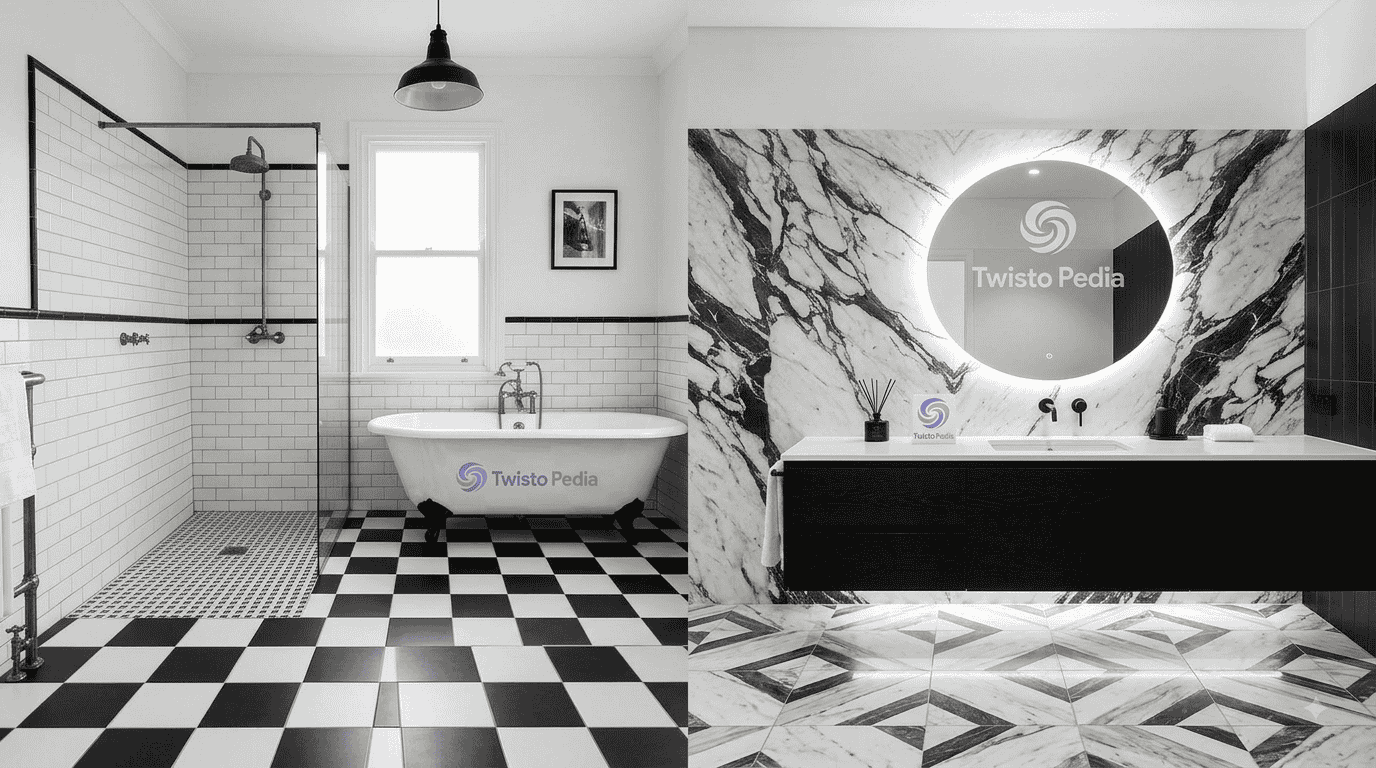
A black and white tile bathroom creates a timeless atmosphere through balanced contrast. The combination of black and white surfaces feels visually striking while adding depth, grounding, and visual interest to modern or traditional homes.
Designers often use this bathroom palette because the monochrome approach supports versatile layouts. Strong contrast between dark elements and bright surfaces can make spaces feel open, organized, and refined with carefully selected tile shapes today.
I have noticed that successful installations depend on choosing suitable tile sizes, patterns, and textures. Different materials including porcelain and marble create unique effects across floors, shower walls, backsplashes, and niches without overwhelming the room.
A thoughtful layout may include accent walls, focal areas, and decorative detail where geometric or floral patterns enhance personality. Lighting and grout choices also influence the final appearance by improving clarity, harmony, and overall balance.
From vintage concepts to contemporary styles, a black and white tile bathroom remains adaptable. Moroccan-inspired designs, mosaic applications, and ceramic options provide creative directions while maintaining a cohesive monochrome vision through carefully planned design decisions.
How To Design With Black And White Tile Bathroom
A black and white tile bathroom requires careful planning because balance determines whether the room feels elegant or heavy. Using black, white, and controlled contrast creates a sophisticated atmosphere with lasting visual appeal.
The first consideration is brightness and openness. White surfaces reflect available light, while black areas provide grounding. Combining these elements strategically creates depth without reducing the bathroom’s sense of space.
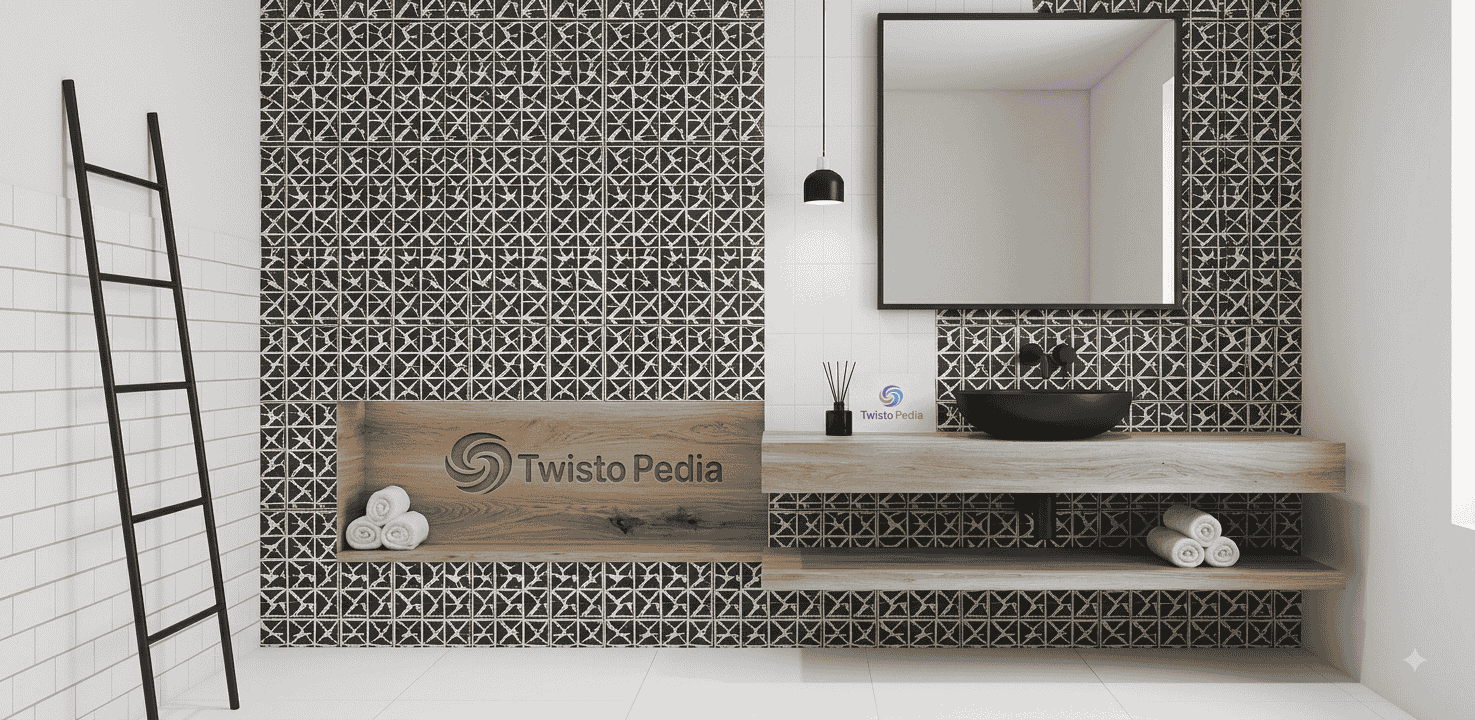
Experienced designers often create focal points through borders, niches, and selected accents. These areas introduce personality while maintaining proportion, especially when different tile shapes, tile sizes, and patterns work together.
Textures, grout, fixtures, and lighting influence how monochrome spaces appear daily. Contrasting textures can soften strong lines, while carefully chosen bathroom accents add refinement without disrupting the overall design direction.
A successful monochrome design considers visual weight and proportions before installation begins. The combination of sophisticated materials, intentional placement, and thoughtful details allows a black and white bathroom to feel balanced, practical, and memorable.
Patterned Black And White Tile
Patterned tile transforms a black and white tile bathroom into a space with stronger personality and visual movement. I often recommend these designs when homeowners want decorative impact without adding multiple colors.
Geometric patterns create structured appearances, while star patterns and Moroccan-inspired patterns introduce cultural character. These options work especially well for floors where repeated designs establish rhythm and create a memorable foundation.
Floral patterns and decorative patterns offer softer expressions within monochrome spaces. A carefully selected patterned flooring design can become the bathroom focal point while allowing surrounding walls to remain simple and balanced.
In smaller bathrooms and powder rooms, bold designs create a distinctive visual identity without requiring extensive decoration. Simple walls paired with bold patterns allow the tile itself to provide personality and artistic direction.
A monochrome bathroom benefits from intentional pattern selection because every detail influences the atmosphere. The right combination of patterned tile, scale, and placement creates a refined space with lasting charm and individual character.
Penny Round Mosaic Tile
A penny round design adds softness to a mosaic tile surface through repeated curves and small-scale texture. In a black and white tile bathroom, these rounded forms create movement while maintaining a refined appearance.
Using black penny rounds against white walls creates a dramatic relationship between dark flooring and bright vertical surfaces. The combination feels balanced, especially when marble details introduce natural variation and subtle elegance.
Dark penny rounds can highlight grout lines, creating stronger definition across floors and shower areas. This approach also improves practical performance by adding visual structure and supporting traction in wet locations.
A glossy black mosaic reflects surrounding light, producing greater reflection and depth within compact bathrooms. The small format tiles provide an artisanal appearance when applied across walls, floors, niches, and accent areas.
Designers often choose this mosaic style because it combines decorative character with function. A carefully installed black and white tile bathroom using penny round elements achieves texture, durability, and a handcrafted feeling.
Black And White Mosaic Tile
A black and white mosaic tile design introduces detailed craftsmanship into a bathroom through carefully arranged pieces. These surfaces create intricate patterns, adding texture and movement while maintaining a balanced monochrome appearance.
Mosaic applications work beautifully on shower walls, vanity backsplashes, and selected niches because smaller pieces allow greater design flexibility. These areas become decorative highlights without making the entire space feel visually crowded.
Many homeowners choose geometric arrangements for structured interiors, while floral and leaf-inspired designs create softer expressions. A Moroccan-inspired approach can bring handcrafted character through detailed compositions and artistic placement.
Materials such as basket-weave layouts provide additional depth through repeated shapes and carefully planned spacing. These decorative designs transform ordinary surfaces into personalized features while preserving the elegance associated with black and white interiors.
When selecting mosaic elements, consider placement, scale, and surrounding materials. Combining black, white, and thoughtful patterns allows the bathroom to achieve a sophisticated appearance where every decorative detail contributes to the overall design.
Black And White Shower Tile
A black and white shower tile design creates a balanced bathing environment by combining black, white, and controlled contrast. The shower area becomes a practical feature where patterns, textures, and materials influence the overall atmosphere.
Using black elements inside selected areas such as niches or accent strips creates definition without making the shower feel enclosed. Mosaic floors and decorative borders can introduce detail while maintaining visual harmony.
A white shower tile surface helps maintain brightness, especially when paired with glass shower doors and reflective surfaces. This combination supports an open appearance while allowing darker components to add sophistication.
For modern bathrooms, matte finishes and textured options provide depth while improving functionality. Black mosaics can enhance style and create better visual separation, particularly when used on shower floors requiring practical design choices.
Selecting the right shower materials depends on balance between appearance and performance. A carefully planned black and white shower combines contrast, texture, and comfort while creating a durable space that feels intentional and visually refined.
Make A Statement With Patterned Porcelain Tiles
Patterned porcelain tiles create a strong foundation for a black and white bathroom by combining durability with artistic expression. Their detailed surfaces establish a clear visual identity while supporting practical flooring requirements in daily use.
A carefully selected geometric pattern can introduce movement and character without requiring additional decorative elements. These designs work especially well when surrounding wall surfaces remain simple, allowing the floor to become the primary feature.
In my experience, porcelain offers flexibility because it handles moisture while maintaining its appearance over time. A monochrome approach creates a refined connection between the statement floor and the overall bathroom design concept.
Many homeowners choose patterned surfaces because they provide personality without overwhelming smaller spaces. A balanced monochrome layout allows the tile pattern to become a visual anchor while keeping the room organized and sophisticated.
The strongest installations treat patterned porcelain as more than flooring. It becomes a deliberate design choice that combines function, style, and artistic detail, creating a memorable bathroom environment with lasting visual impact.
Add Subtle Movement With A Mixed Mosaic Pattern
A mixed mosaic pattern introduces controlled variation inside a bathroom by combining black, white, and gray tones. This approach creates a balanced monochrome design while adding depth through carefully arranged surfaces.
Designers often use these patterns on shower walls and vanity backsplash areas because smaller pieces create decorative interest. The arrangement adds visual rhythm without overpowering other elements within the overall bathroom composition.
A well-planned mosaic installation can create gentle movement through changes in shape, placement, and scale. The added texture strengthens the connection between materials while maintaining a refined contrast throughout the space.
Using a mosaic tile feature as a bathroom accent allows homeowners to introduce personality in smaller areas. These details can highlight architectural sections while preserving a clean and organized monochrome appearance.
The best results come from selecting complementary tones and patterns. A mixed mosaic approach provides flexibility, allowing black, white, and gray elements to create a sophisticated bathroom design with subtle artistic character.
Add Texture With A Sculptural Accent Wall
A sculptural accent wall changes the atmosphere of a bathroom by introducing a three-dimensional tile surface. This approach creates strong texture, allowing light and shadow to interact across dimensional surfaces.
Designers often use rippled tile patterns to create a refined feature wall behind a vanity or within shower walls. These areas become intentional design moments while maintaining the elegance of monochrome spaces.
The contrast between black and white materials enhances the architectural qualities of textured surfaces. A carefully selected accent creates visual interest and adds depth without requiring excessive decoration throughout the bathroom.
In practical installations, textured tiles work best when paired with suitable lighting. Directional illumination highlights surface changes, emphasizing craftsmanship and creating a more dynamic experience within the bathroom environment.
A sculptural approach allows homeowners to move beyond flat surfaces while preserving simplicity. Combining dimensional details with black and white elements produces a sophisticated feature that feels artistic, balanced, and thoughtfully designed.
Create A Dramatic Wall With Feather-Inspired Ceramic Tile
A feather-inspired ceramic tile creates a dramatic surface through a textured black ceramic tile finish. This style introduces depth into the bathroom while maintaining a strong relationship between white surfaces and contrast.
A black feature wall using feather-inspired texture becomes an architectural highlight. The detailed surface variation adds character while allowing surrounding white elements to balance the darker tones throughout the space.
Designers often select tiles with a crackle finish because it enhances the handmade appearance. A dimensional wall can transform ordinary areas into expressive features while maintaining the durability expected from quality ceramic materials.
Combining black and white elements creates a refined dramatic accent that works well behind vanities or within shower spaces. The contrast strengthens the visual impact while keeping the overall bathroom design cohesive.
A feather-inspired installation demonstrates how texture can replace excessive decoration. Through carefully planned surfaces, homeowners achieve visual depth and artistic detail while preserving the timeless appeal of monochrome bathroom environments.
Create A Classic Hexagon Marble Bathroom Floor
A classic hexagon marble bathroom floor combines traditional styling with modern refinement through black marble, white marble, and carefully arranged shapes. This design creates a sophisticated foundation with natural variation and lasting visual appeal.
Using a larger hexagonal format creates a cleaner appearance by reducing grout lines and emphasizing the structured geometry. The repeated shapes establish order while adding architectural interest to the overall bathroom composition.
A geometric floor becomes a strong feature when paired with simple surroundings. The combination of white walls, countertops, and carefully chosen fixtures allows the flooring to remain the central design element.
The contrast between dark flooring and lighter materials enhances the relationship between stone textures and bathroom details. Quality marble contributes elegance while supporting a cohesive bathroom design with timeless characteristics.
When selecting hexagon marble layouts, proportion and placement influence the final result. A balanced installation creates a sophisticated atmosphere where natural stone, geometric structure, and monochrome elements work together seamlessly.
Introduce A Bold Geometric Pattern
A bold geometric pattern creates a powerful visual statement by combining repeated shapes with intentional contrast. In a black and white bathroom, this approach adds structure while maintaining a clean and sophisticated monochrome appearance.
A repeating star pattern introduces rhythm through carefully arranged geometric motifs. These designs often bring vintage character into modern spaces, creating a connection between historical influences and contemporary bathroom preferences.
The placement of a bathroom floor pattern can determine the room’s overall impact. A strong design becomes a natural focal point when surrounding simple walls allow the surface details to receive attention.
Using patterned tile with black, white, and precise arrangements creates a balanced geometric design. The repetition adds energy while preventing the space from appearing plain or lacking personality.
A carefully planned monochrome pattern provides long-term flexibility because it works with various fixtures and finishes. This style demonstrates how geometric choices can transform functional surfaces into expressive bathroom features with lasting appeal.
Black And White Tile Ideas For Small Bathrooms
A black and white tile approach works effectively in a small bathroom because strategic placement can improve perception. Using white tile helps create visual enlargement by reflecting light throughout compact areas.
Carefully positioned tiles influence how a small space feels. Light reflection from brighter surfaces increases brightness and openness, while selected black tile elements add character without reducing the room’s sense of proportion.
Designers often place darker materials on flooring, niches, or accent walls rather than covering every surface. These controlled areas create contrast while maintaining a practical and balanced space-saving design.
Small formats and vertical arrangements can influence how walls appear. Small mosaics add decorative detail, while vertical tile layouts create visual height and help narrow bathrooms feel more open.
A successful small bathroom design depends on moderation and placement. Combining contrast, reflective materials, and intentional patterns allows homeowners to achieve a stylish monochrome environment without sacrificing comfort or functionality.
How To Incorporate Black In A Shower Without Making It Dark
A black shower tile choice can create elegance when balanced with proper materials. Using black accents instead of covering every surface helps maintain brightness while adding depth and personality to the shower area.
Selective use of dark surfaces prevents an enclosed appearance. Designers often introduce black through niches, mosaic floors, and accent strips where smaller applications create controlled visual impact.
Combining darker elements with glass features improves light distribution. Reflective surfaces help preserve brightness, while white tile provides balance and prevents the shower from feeling visually heavy.
A successful shower design depends on managing contrast between materials. Using selective black placements creates definition while maintaining a comfortable atmosphere that feels open, practical, and thoughtfully designed.
When planning a monochrome shower, consider proportions and lighting conditions. A balanced combination of black and white elements allows homeowners to achieve sophistication without sacrificing the spacious feeling of the bathroom.
Are Black Tiles Harder To Maintain?
Black tiles can create a dramatic bathroom appearance, but maintenance requirements depend on surface type and daily conditions. Dark finishes may reveal certain marks more easily, especially in frequently used areas.
A glossy tile surface often highlights water spots and soap residue because reflections make these details more noticeable. Regular care helps preserve the clean appearance of black surfaces throughout the bathroom.
Choosing a honed finish or textured finish can reduce the visibility of minor marks. These options are often practical for wet areas where surfaces experience regular moisture and contact.
Proper ventilation supports easier upkeep by controlling humidity levels. In a shower environment, moisture management helps protect the appearance of black tile while reducing challenges related to cleaning.
Although dark materials require attention, they are not necessarily difficult to maintain. With suitable cleaning habits and awareness of moisture, black tiles can remain stylish and functional in modern bathrooms.
Can You Mix Black And White Tile On The Same Wall?
A black and white tile combination on the same wall creates visual interest through intentional layering. This approach allows designers to combine black tile and white tile while maintaining a balanced bathroom appearance.
Using a lower section of darker tile with an upper section of lighter material creates clear separation. This arrangement provides structure while allowing contrast to enhance the wall’s overall character.
Patterned mosaics can introduce additional detail when placed between larger tile areas. Adding black borders helps define transitions, creating stronger organization while supporting a cohesive monochrome design throughout the bathroom.
A carefully planned shower wall or bathroom wall can feature multiple materials without feeling crowded. Combining mosaic details with simple surfaces creates a layered appearance while maintaining practical functionality.
Successful combinations depend on proportion, placement, and material selection. A thoughtful mix of black and white elements creates visual balance and allows homeowners to achieve a sophisticated monochrome space with personalized design features.
Is Black Tile Safe For A Shower Floor?
A black tile shower floor can provide strong visual impact when selected with suitable materials. The key factors include matte tile, textured tile, and proper installation methods that improve practical performance.
Using black mosaics on a shower floor creates smaller surfaces with additional grout lines. These details can support traction while adding decorative value to the overall bathroom flooring design.
A properly planned wet area requires attention to safety and comfort. The correct shower slope helps water flow effectively, while appropriate tile choices create a more practical and functional surface.
The appearance of dark flooring can enhance a bathroom when balanced with surrounding elements. A mosaic tile surface combines style and usability, making it suitable for modern shower spaces with careful planning.
Selecting materials for a shower floor requires evaluating both design and performance. A well-designed black tile installation creates a durable wet area solution with attractive contrast, reliable function, and a sophisticated appearance.