

Many small business owners sign a marketing contract based on a promise, then judge it by whether the phone rings. You pay a monthly fee to get found first. A year later, you still can’t say which part of the spend did anything.
- Yodle SEO
- SEO / Local SEO / Search Visibility
- Web Presence / Website / Web Design
- Social Media
- Reviews / Reputation
- The Client-Side Review Tool
- Yodle’s Own Reputation
- A Reviews Scenario
- Reading Agency Testimonials With A Critical Eye
- Advertising / Google Ads / Lead Generation
- They Use Duplicate Content
- Their Rates Fluctuate
- Yodle Doesn’t Guarantee Results
- You Have No Control Over Your Site or Listings
- Yodle Is Unfair
- Email Marketing
- Special Offers
- Customer Service
- Agency Positioning / Brand Statements
- Service List
- Location Coverage
- Social Proof Metrics
That frustration is why Yodle SEO still gets searched years after Web.com absorbed the company in 2016. Yodle called itself an internet marketing solutions provider for small-to-medium-sized businesses. Its core package, Marketing Essentials, combined web design, local SEO, Google Ads, Facebook Ads, social media marketing, email marketing, and customer reviews into one all-in-one marketing system. The pitch covered 250 industries. The technology was supposed to handle everyday business tasks so you could grow your business instead of managing campaigns.
Consultants who later inherited those accounts tell mixed stories. Some owners saw real results in local search results and a stronger web presence. Others found their online presence tied to a platform they never controlled, and their affordable marketing slowly got expensive.
This Yodle review covers both sides:
- How the SEO and social media pieces tried to help businesses rank high
- Where contract terms, fluctuating rates, and duplicate content undercut digital marketing efforts
- Which online marketing strategies actually increase sales for modern businesses
- How a creative agency today pitches stunning websites, digital experiences, design aesthetic, and customer experience, and how to separate a proven track record from the stories brands tell about themselves
Yodle SEO
Yodle’s search work was a bundled local optimization service. It covered site edits, directory listings, and map profiles, all sold as one line item inside a monthly package. Whether it worked depended mostly on how competitive the client’s market was and how much custom attention the account got.
SEO / Local SEO / Search Visibility
Yodle’s local SEO aimed to place small businesses in Google’s map results and regional organic listings for relevant searches like “plumber near me.” It never promised a specific rank, and the user agreement said so clearly, even when the sales pitch sounded more confident.
The reason results varied so much is structural. Regional SEO depends on three things: your map profile, how relevant your site is to local keyword phrases, and how many trusted mentions point back to your business. Yodle worked on all three, but across thousands of accounts with templated processes. That’s where it broke down.
What The Program Actually Did
- Wrote page titles and copy aimed at local keyword phrases
- Built and submitted listings to directories and map platforms
- Set up business profiles for placement in Google’s local three-pack
- Reported monthly traffic and calls back to the client, billed as part of Marketing Essentials
Where Practitioners Saw It Fall Short
Search Engine Optimization consultants who audited former Yodle sites often describe the same pattern. Organic traffic jumped early, then flattened. The early gains came from fixing basics. After that, nothing compounded. There was no fresh content, no meaningful link building, and no ongoing organic traffic growth worth reporting.
Some reviewers accused the digital marketing company of scamming clients. Most SEO specialists put it differently. They describe it as an incompetent system rather than fraud: a process built to onboard volume, not to improve rankings for any single business.
A Previous Client Scenario
Picture a typical previous client, a two-location HVAC company. The goal was simple: get the website discovered by potential customers searching nearby. In the first quarter, it went from zero map-pack appearances to showing up in the three-pack for a handful of terms. By month eight, competitors with better reviews and original pages had taken the top spots back in the SERPs. The fee stayed the same. The visibility didn’t.
High visibility on Google isn’t a one-time fix. Best SEO practices require someone working the account every month: unique pages for each service, consistent listings, and earned links. A package labeled “Rank Up on Google” looks good on a proposal. What matters is the work behind the label and whether your position in search engines holds after the honeymoon period. Any provider can help you rank for your own business name. Ask what they’ll do for the terms customers actually type.
Ask for month-six deliverables before you sign.
Web Presence / Website / Web Design
Yodle built templated, mobile responsive websites with call tracking, lead capture, and analytics feeding into a single dashboard. The sites functioned well enough, but under the contract they were typically owned and operated by Yodle, not by the business paying for them.
That ownership detail gets its own section below. Here, the focus is on what the sites did and where the template approach hit its limits.
What Came Built In
| Feature | What It Did | The Catch |
| Calls recorded | Logged every call through a tracking line | The tracking number differed from your real one |
| Visitors tracked | Showed page visits and form fills in near real time | The data lived inside the provider’s system |
| Google Maps and Bing Maps presence | Put your location on the major map platforms | Profiles were often tied to the provider’s account |
| Search optimized features | Location pages and service-area copy | Built on shared templates |
| Lead alerts | Sent form submissions to your inbox as emails | Limited filtering or follow-up tools |
Modern builds often add CRM scoring, which ranks incoming leads by likely value. It’s useful, but only if someone actually tags the leads.
Template Vs. Custom: The Honest Comparison
A templated site isn’t automatically bad. For a locksmith serving three local areas, a user-friendly, informative site with large phone buttons will beat a fancy build that loads slowly on mobile devices. The website’s purpose should drive the build, not a designer’s portfolio.
Templates do have a ceiling, though. Custom website design lets you express your brand’s personality, sharpen your selling points, and plan your site structure around how your target audience actually searches. Professional website design also earns credibility with consumers who have a competitor’s site open in another tab. A page with high visibility in search engines but no customer reviews on it still loses the click.
Ecommerce was a weak spot. The platform was built to generate leads such as calls and form fills, not to sell products, so content and features for online stores were thin.
What To Check Before You Commit
- Can you export your content and analytics if you leave?
- Who is the web designer or developer, and can you contact them directly?
- Does the contract say who owns the original site after cancellation?
- Which tangible results does the reporting measure (calls, bookings, quote requests), and do they match your goals?
- Is the free quote itemized, or is it just a single monthly figure?
A strong web presence is one you can take with you.
Get the ownership terms in writing first.
Social Media

Yodle’s social media marketing kept a business’s Facebook business page active by posting content, photos, and special offers on a schedule. It saved owners valuable time, but it rarely replaced a dedicated social media manager who could engage with followers in real conversations.
Automated posting keeps profiles active, but social platforms reward replies and interaction, not just regular posts. That’s the gap.
How The Pieces Fit Together
Posts ran from the same dashboard as your site and reviews. A review request could go out after a job, and the best customer reviews could then be shared to Facebook as social proof. That loop of finishing the job, collecting feedback, and publishing a post is still a smart workflow, whoever runs it.
Organic Vs. Paid
| Social Media Marketing | Social Media Advertising | |
| Goal | Keep existing followers warm | Reach people who don’t know you yet |
| Cost | Mostly time | Ad spend plus management fees |
| Best for | Repeat customers, referrals | New-customer campaigns, seasonal pushes |
| Typical mistake | Posting with no reply strategy | Boosting posts without a clear offer |
Local marketers tend to agree that most small businesses don’t need every channel. Pick the relevant social media platforms where your target audiences actually spend time. A roofer doesn’t need TikTok. A bakery probably does. Wherever you post, link back to your website so the attention turns into calls or bookings.
Pick two platforms and post with a purpose.
Reviews / Reputation
Yodle had two reputation stories running at once. One was a review tool that helped clients collect customer reviews. The other was its own record of complaints, logged with the Better Business Bureau and discussed on industry boards like the Local Search Forum. Both are worth understanding before you hire any agency today.
The Client-Side Review Tool
Clients could send a review request by email or text after a job. Responses showed up in the dashboard, and the monthly report listed review counts next to calls and form fills. For consumers, fresh reviews add credibility. For local search, reviews that mention keywords such as the service and the town are widely considered helpful for ranking near the top of the map pack.
Yodle’s Own Reputation
Complaints tended to repeat the same themes: cancellation terms, ownership, and billing. Practitioners on forum threads compared notes on moving clients off the platform, and the same pain points kept appearing.
A Reviews Scenario
Picture an accommodation business, say a 12-room guesthouse, that ran a digital campaign for 2 years. The marketing campaign produced bookings, but most buyers came through targeted ads rather than organic search. When the owner cancelled, the on-site review feed disappeared along with the rest of the site. Two years of guest feedback no longer appeared on the page where it had helped convert visitors.
Reading Agency Testimonials With A Critical Eye
Agencies sell on reviews too. An SEO company in Auckland might headline “Trusted by Many Kiwis” and quote clients praising friendly service, a quick response, creative design, and an affordable price that came in “under my budget.” Some highlight counts like 190 customers rating them on Google.
That’s useful, but check whether the reviews describe results for a product or service like yours. Praise from an e-commerce website owner tells a tradie very little. Look at reviews on the agency’s Facebook page and other social media pages too, not just the handpicked quotes on its homepage. Real selling points show up in the specifics.
Read the three-star reviews first.
Advertising / Google Ads / Lead Generation
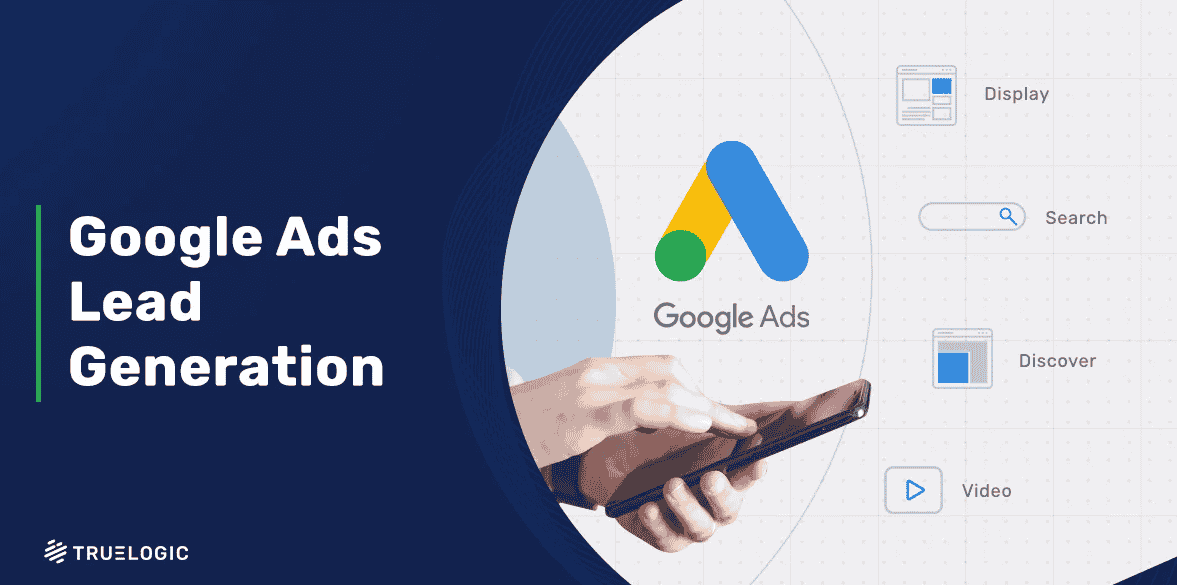
Yodle managed Google Ads and Facebook Ads for small to medium sized businesses and routed calls through a local tracking number to measure conversions. The tracking made ROI reporting easy, but the swapped numbers often created NAP inconsistencies that hurt organic online rankings.
NAP stands for name, address, and phone. When a tracking phone number appears on directory citations instead of your real one, search engines can read it as two different businesses. Practitioners cleaning up former accounts describe spending weeks correcting citations one directory at a time. Some accounts also had duplicate page problems, where separate landing pages built for ad campaigns competed with the main site.
Paid Vs. Organic: The Trade-Off
| Online Ads | Organic Search | |
| Speed | Same day | Months |
| Traffic quality | Targeted traffic by keyword and location | Broad, intent-driven |
| When spend stops | Visibility stops | Visibility tapers slowly |
| Best use | Filling gaps while SEO builds | Long-term online presence |
Paid placement gets you onto Google’s first page fast. It also disappears the moment the budget runs out.
Ranked Options For Tracking Calls Without Hurting Rankings
- Dynamic number insertion. Show tracking numbers only to ad visitors on your site, and keep your real number in every citation. This is the cleanest setup.
- Primary/secondary split. Use your real number as the primary on your business profile and the tracking number as the secondary.
- No tracking. Ask callers how they found you. It’s the least accurate option but causes zero listing damage.
Agencies pitching “Reach Your Audience” or “grow your business online” packages should be able to explain this in one sentence. If they can’t, their Digital Marketing proven track record may be thinner than it looks. Good digital marketing campaigns bring in more leads without breaking the online marketing strategies running alongside them. Check how numbers are handled before you sign any contract.
Keep your real phone number on every citation.
They Use Duplicate Content
Yodle’s templated sites often reused near-identical page copy across clients in the same trade, changing only the business name, location, and contact number. Search engines generally filter out exact same copies, so those pages struggled to reach the top results.
There are two types of duplicate content, and both showed up in Yodle accounts:
| Type | What It Looks Like | Why It Hurts |
| Internal duplicate content | Identical pages on one site, such as “Plumber in Town A” and “Plumber in Town B” with only one word changed, served at different URLs | Bots can’t tell which page to show, so neither ranks well |
| External duplicate content | The same paragraph live on many other businesses’ sites | Google picks one version to show and filters the rest |
Here’s a quick test you can run today. Copy a sentence from your service page and search it in quotation marks. If it returns 10 other sites with the same wording, Google’s crawlers have already noticed.
Consultants who rewrote pages for previous clients tend to report the same outcome. Once each page carried original content written for the actual service area, it finally had something unique to be ranked for. An original piece about your real neighborhoods, jobs, and pricing gives search engines a reason to pick your page. Online ranking follows uniqueness.
Rewrite every templated page before you do anything else.
Their Rates Fluctuate
Under the Yodle Ads Service terms, ad spend in a given month could reach 110% of a client’s Monthly Yodle Ads Advertising Budget, with any overspend or underspend rolled over into the next monthly billing cycle. For small businesses on limited budgets, that made monthly expenses hard to predict.
The user agreement handled the swing through balances. If spend came in under budget last month, you carried a positive balance forward. If it went over, a negative balance followed you into the next cycle.
| Month | Budget | Actual Spend | Carried Forward |
| 1 | $1,000 | $1,100 | –$100 (negative balance) |
| 2 | $1,000 | $900 | $0 |
| 3 | $1,000 | $950 | +$50 (positive balance) |
Fluctuating rates aren’t unusual in themselves. Google Ads can spend up to twice your daily budget on a single day and balance it out across the month. The real question is who absorbs the swing. Established firms with huge marketing budgets barely notice a 10% overage. A two-person shop paying rent from the same account definitely does.
Ask for a hard monthly cap in writing.
Yodle Doesn’t Guarantee Results
Yodle’s user agreement gave no assurance of any specific rank, placement, or position in search engines. That’s standard practice, since no legitimate provider can guarantee results, but it often clashed with the confidence of the sales pitch.
Google’s own guidance warns businesses to be wary of anyone who promises a number-one ranking. So the missing guarantee wasn’t the real problem. The problem was the gap between what the contract said and what the salesperson implied.
What You Can Reasonably Ask For Instead
- Deliverable commitments. List exactly what work happens each month.
- Transparent reporting. Calls, leads, and rankings for the terms you chose, not the agency’s choice of easy wins.
- An exit clause. The ability to leave if agreed deliverables aren’t met.
Judge the work, not the promise.
You Have No Control Over Your Site or Listings
Yodle clients usually didn’t own their websites. The sites and many listings were owned and operated by Yodle, so ending the contract often meant losing the website and starting over. You couldn’t bring in your own web designer or developer to make improvements or fix errors.
Consultants who moved clients off the platform frequently rebuilt from scratch because the original site couldn’t be exported cleanly. Business information on some directories had been claimed under the provider’s account, which made even basic edits slow.
Ranked Steps To Regain Control
- Claim your Google Business Profile directly. This is the fastest and highest-impact step, and it often takes under an hour.
- Register a domain in your own name. If the provider holds it, request a transfer before cancelling.
- Rebuild the website on a platform where you hold the login, with a developer who hands over full access.
Own your domain and your profile logins.
Yodle Is Unfair
Critics call Yodle unfair because of rigid contract terms: limited refund options, penalty fees for early cancellation, and services sometimes delivered through a third party supplier instead of in-house staff. Clients who wanted to opt out mid-term often found the fees outweighed whatever results they’d seen.
The reseller model is common across this industry. One company sells the package and can sub-contract the actual work to a third party. That isn’t wrong by itself, but you should know who’s touching your account.
Here’s a less popular view. “Unfair” is partly a reading problem. Most of the terms people complained about were in the agreement. They were buried under a long features list, but they were there.
Read the cancellation clause before the features list.
Email Marketing
Email marketing tools sat inside the website’s dashboard, with an email marketing template library pre-installed for customized newsletters, thank you notes, personalized holiday greetings, and reminders for scheduled appointments. It offered a simple way to build customer loyalty without paying for a separate platform.

Here’s an opinion many owners skip: newsletters are overrated for most local trades. The quieter emails do more work.
Which Emails To Send First
- Appointment reminders. They reduce no-shows, which means more business without new leads. This was the underrated bonus in the bundle.
- Thank-you notes after a job. They pair naturally with a review ask.
- Seasonal greetings. They’re low effort and keep your name in the inbox.
- Newsletters. Send them only if you have something worth saying.
Regular contact with past customers is a proven strategy. It doesn’t need to be clever.
Set up reminders before newsletters.
Special Offers
Yodle’s special offers tool let businesses customize a built-in template, press a publish button, and push regular deals to their website, Facebook page, and emails at the same time. The goal was to promote savings to prospective customers and bring existing customers back.
Discount-heavy offers can train customers to wait for the next sale. Marketers who run local promotions often suggest value-add offers instead, such as a free inspection with a service call. Those win the job without cutting your margin the way a straight price drop does. Customers still feel they’re saving money, and you avoid a price war with competitors.
Send each offer to your list first, since existing customers respond fastest. Then post it publicly.
Run one offer a month and track it.
Customer Service
Customer service for Marketing Essentials started with a set-up call, often around 15 minutes, followed by phone, email, and live chat support from customer success staff. The platform also offered webinars and help articles for owners who preferred to learn on their own.
Support is the topic reviews mention most, in both directions. A 15-minute onboarding can’t cover your market, your competitors, and your goals. Some owners got skilled marketing professionals who offered useful suggestions. Others got whoever was next in the queue.
If you work with any provider, book a short check-in each week for the first month. That’s where business success actually gets shaped, not in the onboarding call.
Schedule recurring check-ins from day one.
Agency Positioning / Brand Statements
Modern agencies position themselves as partners rather than platforms, using creative agency language about stories, design aesthetic, and digital experiences made to last. That shift is largely a reaction to the template-at-scale model Yodle represented.
Brand statements are cheap to write. What matters is whether an agency actually collaborates. A useful test is the first contact. Do they ask about your business goals before quoting, or do they lead with a package?
Signs The Positioning Is Real
- They ask how you sell online, or whether you need to at all
- They connect campaigns to brand recognition and customer experience, not just traffic
- They explain the technology in plain words
- Their portfolio shows brands similar in size to yours
Ask about your goals before they ask for your card.
Service List
A typical local agency service list today covers Website Design, Website Hosting, SSL Certificate setup, SEO, Google Ads, Microsoft Ads, and Social Media management. The main difference from Yodle’s bundle is that each service is usually priced, and owned, separately.
| Service | What It Covers | What You Should Own |
| Website Design | Layout, copy, conversion paths | The site files and admin login |
| Website Hosting | Server, uptime, backups | Your hosting account, or at least export rights |
| SSL Certificate | The padlock and HTTPS security | Renewal details |
| Search Engine Optimization | On-page, local, and content work | Your profiles and analytics |
| Google Ads | Search and map ads | The ad account itself |
| Microsoft Ads | Bing search ads, often with lower click costs | The ad account itself |
| Social Media | Posting, replies, paid boosts | Page admin access |
Unbundling costs a little more effort. It also means you can replace one piece without losing everything else.
Ask who holds each account before you approve the quote.
Location Coverage
New Zealand agencies working in local search often list coverage across Auckland, Wellington, Christchurch, Hamilton, Tauranga, Dunedin, Queenstown, Palmerston North, and Gisborne. For local SEO, the more useful question isn’t where an agency is based. It’s whether it understands how people search in your town.
Search patterns differ a lot from place to place. Queenstown traffic is driven by tourism and peaks seasonally. Palmerston North and Dunedin follow university calendars. Gisborne’s smaller market means fewer competitors, but also fewer searches to compete for. An agency serving all nine cities should be able to tell you how your town differs from the others.
Ask them what’s different about your city.
Social Proof Metrics
Social proof metrics like +300 Happy Clients, +200 Completed Projects, and +8 Years Experience are homepage counters agencies use to signal stability. They show volume and time in business. They don’t show whether any of that work resembles what your business needs.
The reason these numbers are everywhere is simple: they’re easy to display and almost impossible to check. “Happy” is self-defined. A completed project might be a five-page site or a logo tweak. And Yodle is the clearest reminder that scale protects the provider more than the client. It served a huge base of local businesses, and plenty of those accounts still ended with lost websites and messy listings.
What Each Number Actually Tells You
| Metric | What It Suggests | The Question To Ask |
| +300 Happy Clients | A broad client base | How many are still clients after 12 months? |
| +200 Completed Projects | Delivery capacity | How many were in my trade or town? |
| +8 Years Experience | The agency has survived | What changed in their process after the last few Google updates? |
Consultants who vet agencies for local clients often point to the gap between the client count and the project count. If an agency claims more clients than completed projects, many of those relationships were probably small one-off jobs, not ongoing search work. That isn’t a red flag by itself. It just tells you where their volume comes from.
Ranked Ways To Verify The Claims
- Ask for two current clients in your industry you can call. This is the fastest real check, and a 10-minute call tells you more than any counter.
- Look up three portfolio sites yourself. Search their main service and town, and see where they actually rank today.
- Compare the numbers to their Google review count. If someone claims 300 happy clients but has 14 reviews, weigh that gap.
Years in business matter less than what the last two years produced. An agency with +8 Years Experience and no recent case studies is coasting on the number.
Ask for a client reference before you trust the counter.