

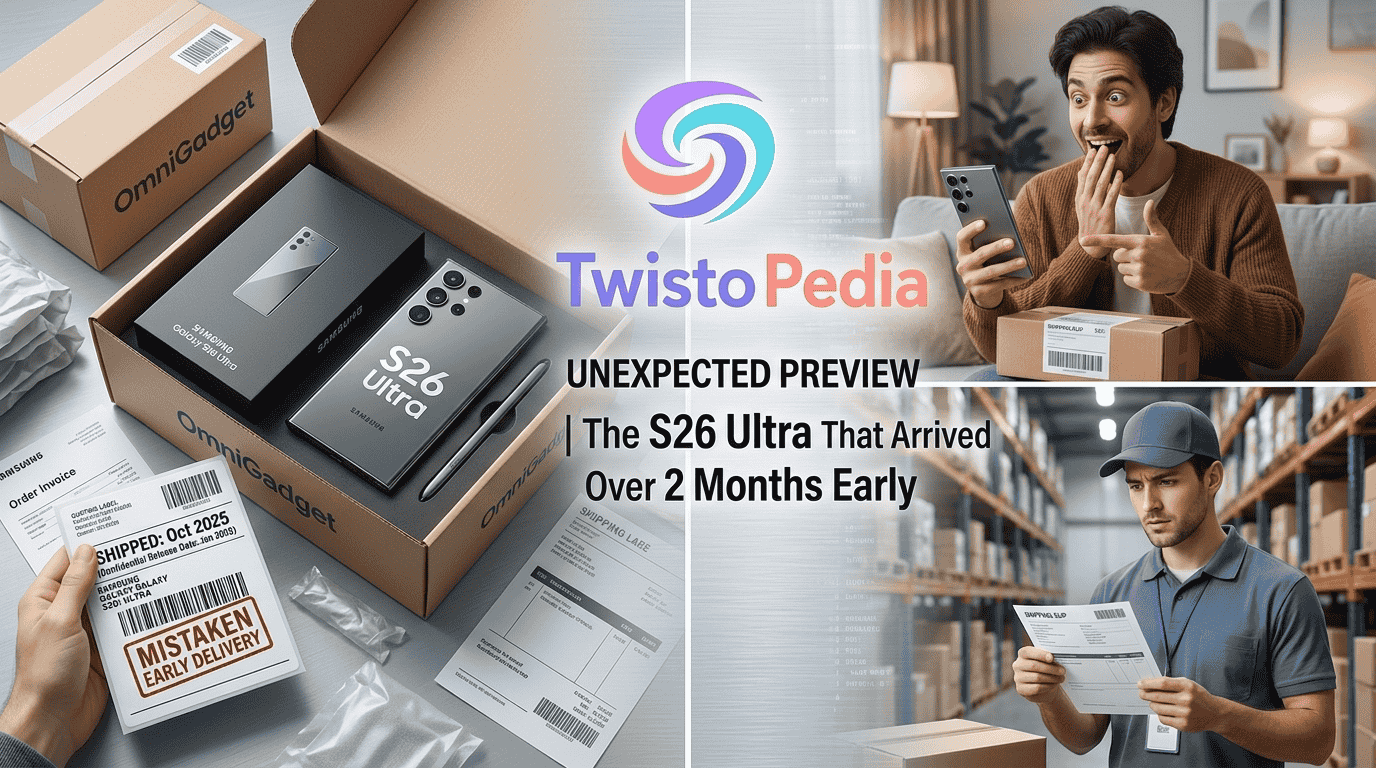
The story matters because an isolated early shipment can expose how tightly a delivery window is managed. A preorder customer receiving a Galaxy S26 Ultra before its scheduled delivery naturally makes the arrival noteworthy online.
- Samsung Galaxy S26 Ultra Shipped To One Customer Early
- Customer Shared The Early Galaxy S26 Ultra On Reddit
- Official Galaxy S26 Ultra Delivery Date
- Device Apparently Came Through Deutsche Telekom
- Galaxy S26 Ultra Cobalt Violet Color
- Early Samsung Deliveries Have Happened Before
- Galaxy S26 Ultra Was Reportedly Sold Early In Dubai
- Galaxy S26 Series US Prices
- Preorder Deals And Trade-In Values
Instead of treating every early delivery as deliberate, the stronger reading is operational. The device reached one customer unexpectedly, making a mistaken shipment plausible while leaving the official release schedule unchanged for buyers in practice.
The timeline sharpens that distinction: Boris499 reportedly received the phone on February 27, 2026, roughly one week early. Their photos documented possession before March 6, 2026, the cited scheduled delivery date for regional European orders.
Another detail complicates responsibility. The buyer said the flagship came through Deutsche Telekom, the company behind T-Mobile. With fulfillment occurring in Europe, the early shipment may reflect carrier handling rather than Samsung directly that time.
For readers tracking Samsung launches, the useful takeaway is narrow: one unusually fast order does not establish broad availability. It shows how fulfillment exceptions can surface publicly before the expected schedule, especially around launches alone.
Samsung Galaxy S26 Ultra Shipped To One Customer Early
The key fact is not broad availability but one customer receiving the Samsung Galaxy S26 Ultra unexpectedly. That isolated incident makes mistakenly shipped a reasonable description, although the exact cause remains unconfirmed for launch watchers.
The preorder customer, identified as Boris499, shared photographs after the arrival. His device appeared in Cobalt Violet, though indoor lighting made the finish resemble a dark variant in some images online across the shared images.
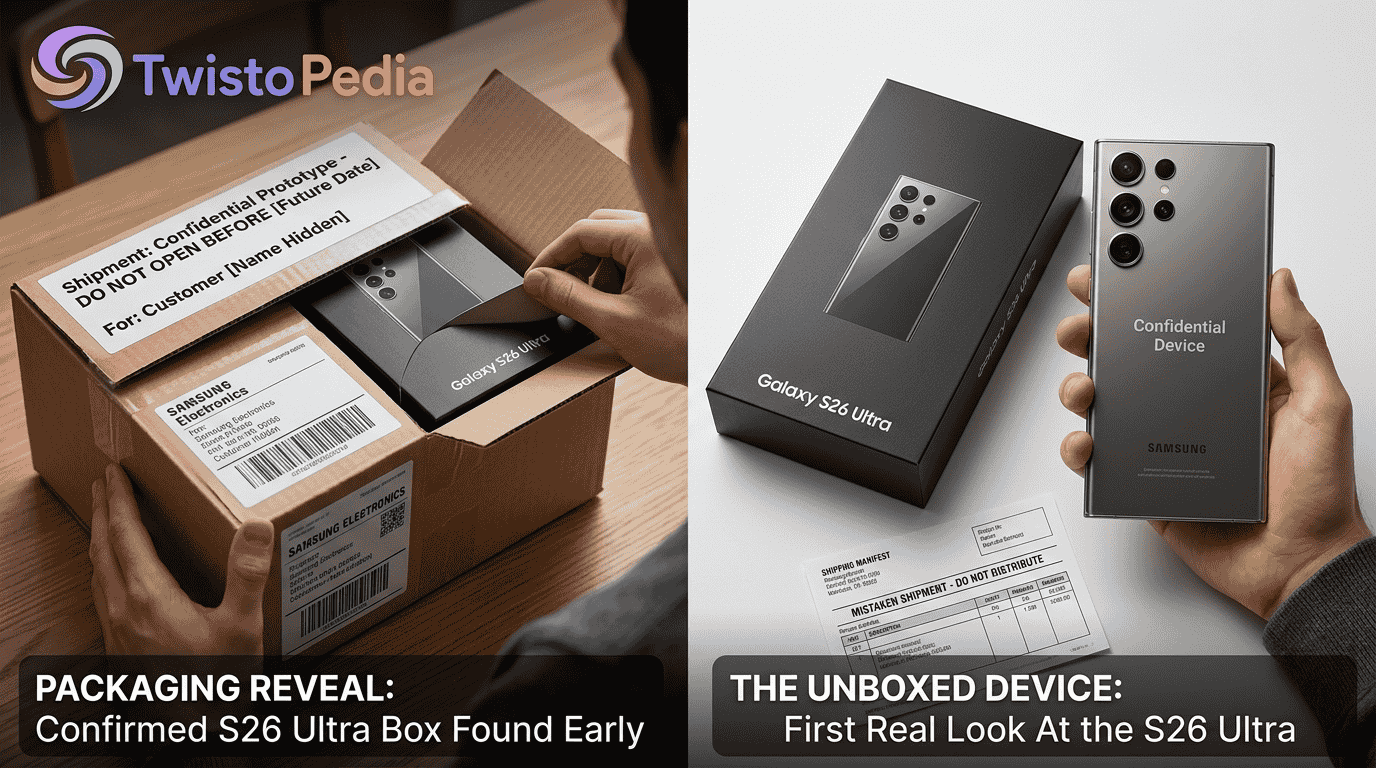
Timing drives the story. The handset reportedly arrived on February 27, 2026, seven days early, while European preorder customers expected scheduled delivery around March 6, 2026, creating an unusually visible early delivery case for buyers.
A premature shipment does not necessarily mean Samsung intentionally accelerated orders. The shipping process could have produced a shipping mistake, especially during Samsung launches, when large volumes of preordered Galaxy phones enter carrier networks quickly.
Viewed against the wider Galaxy S26-series rollout, this early shipment involved a single customer and flagship, not a changed delivery date across Europe. That distinction keeps the report accurate without overstating distribution for other buyers.
Customer Shared The Early Galaxy S26 Ultra On Reddit
What made the incident credible was the evidence supplied by Boris499. The early recipient used Reddit to show the Galaxy S26 Ultra, giving readers visual confirmation of early possession before wider deliveries began for everyone.
The first customer post created an avoidable privacy problem because a visible IMEI appeared in the images. Since an IMEI is a sensitive device identifier, exposing it publicly distracted from the shipping story at first.
After the original post was removed, the user returned with reposted pictures. Those shared photographs preserved the useful device information while reducing exposure, making the documentation safer without weakening the central delivery claim for readers.
The images were informative mainly for delivery timing, not product discovery. Existing hands-on coverage meant the photos showed little previously unseen hardware, yet they still supported the claim of premature delivery to a real buyer.
For a customer, the distinction matters: owning a handset before the normal delivery window is newsworthy even without exclusive specifications. The repost therefore shifted attention from exposed identifiers back toward the unusual fulfillment event itself.
Official Galaxy S26 Ultra Delivery Date
The official delivery date helps separate a genuine anomaly from ordinary preorder movement. In Europe, European preorder customers were expected to receive devices around March 6, 2026, making the reported earlier handoff unusually noticeable overall.
That reported scheduled arrival followed the Unpacked event, when preorders opened for the Galaxy S26-series. The preorder period created a gap between announcement and fulfillment, allowing isolated logistics exceptions to surface publicly during launch week.
Samsung’s broader release schedule also matters. The availability date for general United States sales was March 11, 2026, so an individual Galaxy S26 Ultra appearing earlier should not be confused with retail availability in stores.
Against that calendar, February 27, 2026 was roughly one week early relative to the cited scheduled delivery date. The early delivery therefore stands out because it preceded the ordinary delivery window by several days locally.
From a launch-analysis perspective, dates prevent exaggeration. Samsung could maintain its stated rollout while one order moved faster; an isolated shipment does not automatically redefine when ordinary buyers should expect their phones to arrive normally.
Device Apparently Came Through Deutsche Telekom
The strongest logistics clue is Deutsche Telekom. The recipient said the Galaxy S26 Ultra came through that carrier, suggesting carrier fulfillment may have influenced the unusually fast early arrival more than direct manufacturer handling overall.
Because Deutsche Telekom is the parent company behind T-Mobile in Europe, the route deserves attention. A direct supply relationship can shorten handoffs, but public evidence does not identify exactly where the timing changed that day.
Geography remains deliberately uncertain. With the location undisclosed and country undisclosed, assigning responsibility to a particular warehouse would be speculation. What is known is that the device moved through a European telecommunications channel that day.
That makes mistaken shipping possible without proving who made the mistake. A shipment can leave a network ahead of schedule through scanning, allocation, warehouse release, or another ordinary fulfillment process exception within busy launch operations.
For the customer, the practical result was simply early delivery. For Samsung, however, the episode illustrates how distribution partners can shape launch timing, even when centralized schedules suggest most buyers should receive products later operationally.
Galaxy S26 Ultra Cobalt Violet Color
The delivered phone’s Cobalt Violet color gave the story a concrete visual anchor. In the posted photos, however, uneven lighting changed its visual appearance, making the finish seem darker than promotional images might suggest online.
That distinction matters because a photographed finish can shift dramatically under indoor light. The Galaxy S26 Ultra shown by the customer sometimes resembled a dark variant, despite being identified as another official variant in photographs.
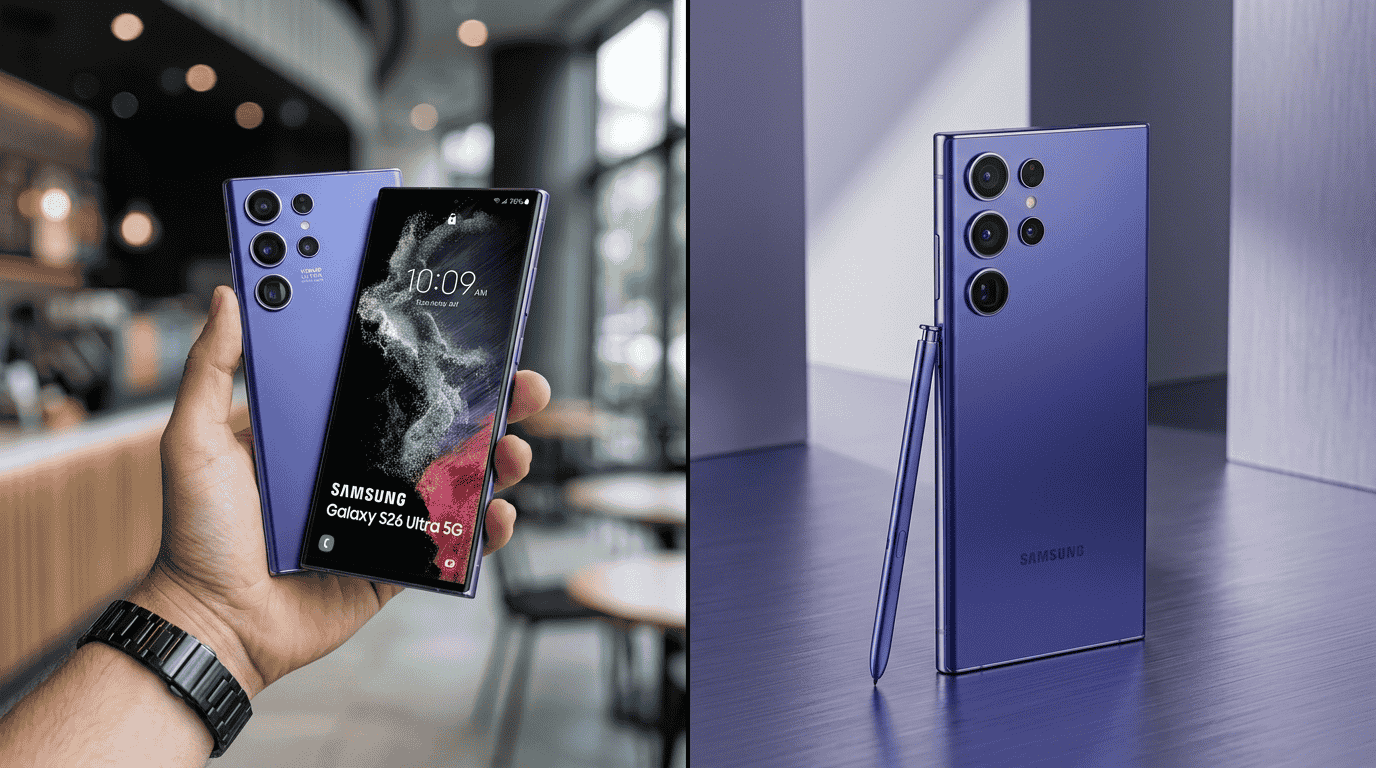
For readers evaluating the handset, image conditions are more useful than assuming a secret colorway. Camera exposure, room illumination, reflections, and display calibration can all affect how a premium phone appears in shared photographs online.
The device was also prematurely delivered, so attention naturally centered on timing rather than color accuracy. That combination can encourage overinterpretation, especially when early images circulate quickly before buyers see the same finish personally online.
From an editorial perspective, the safest description preserves both facts: the handset was identified as Cobalt Violet, while the dark appearance likely reflected photographic conditions rather than evidence of an undocumented model or finish option.
Early Samsung Deliveries Have Happened Before
The surprising part is not that early delivery happened, but how far ahead it occurred. Samsung’s delivery history includes occasional customer deliveries before stated dates, making the episode unusual in degree rather than concept overall.
Past preorder deliveries help frame expectations. During a busy launch period, logistics networks may release units ahead of official delivery dates, especially when preorders have already moved deep into regional fulfillment systems before wider distribution.
Still, almost one week early is notable. Compared with previous launches, that timing creates stronger visibility because preorder customers expect small variations, not necessarily an unusually early arrival several days before the planned window locally.
A recurring shipping pattern should not be mistaken for policy. Galaxy phones can reach individuals early while most orders follow schedule, so new Samsung releases occasionally produce exceptions without changing official launch expectations for everyone.
That is why the premature arrival of one unit is best treated as an operational outlier. Samsung phones may surface early, but isolated examples do not guarantee comparable timing for other customers awaiting devices elsewhere.
Galaxy S26 Ultra Was Reportedly Sold Early In Dubai
The Dubai report adds a different logistics signal. Some retailers reportedly had the Galaxy S26 Ultra sold early, suggesting device inventory had already moved far enough through channels to support consumer-facing transactions in that market.
More strikingly, the reported retail sale occurred about three days early relative to the official unveiling. That makes the episode less about courier timing and more about inventory controls within regional retail operations that week.
An early retail availability case can reveal how quickly inventory movement occurs before launch. Once a flagship reaches stores, preventing every premature transaction becomes harder across a large international distribution network during a launch cycle.
Still, pre-launch sales should not be treated as authorized early availability everywhere. A few transactions before the unveiling indicate local exceptions, not a universal decision by Samsung to advance the launch calendar for all buyers.
For launch watchers, the practical lesson is restraint: inventory can physically reach stores before publicity milestones. That reality explains how isolated sales may appear early without proving that broader market availability has officially changed overall.
Galaxy S26 Series US Prices
For United States buyers, the launch ladder started with the Galaxy S26 at $899.99. The Galaxy S26 Plus began at $1,099.99, while the premium Galaxy S26 Ultra carried a higher starting price for launch buyers.
That flagship price was $1,299.99, placing the Ultra above the rest of the Galaxy S26 series. Those US prices matter because early fulfillment happened while buyers were still weighing preorder economics and configurations at launch.
The broader pricing story also included trade-in offers. For customers with older Galaxy phones, exchanging an existing handset could reduce upgrade costs, making the timing of promotional terms nearly as important as delivery during launch.
A preorder decision therefore involved more than securing an early unit. Buyers had to compare launch pricing, storage needs, trade-in eligibility, and whether the benefits justified an upgrade before promotional conditions changed for each buyer.
For shoppers tracking value, the three-tier structure clarifies positioning: standard, Plus, and Ultra target different budgets. The early-shipment story attracted attention, but purchase value still depended on price, trade-in condition, and individual needs at purchase.
Preorder Deals And Trade-In Values
The preorder period made timing financially relevant because trade-in promotions can change quickly. An early delivery is exciting, but most customers benefit more from understanding offer deadlines than from chasing an accidental fulfillment advantage overall.
For owners of older Galaxy devices, the strongest incentive may be trade-in values rather than shipment speed. Upgrade incentives can reduce effective cost, especially when a promotional period rewards buyers willing to exchange eligible hardware.
That is why preorder deals deserve separate attention from the delivery incident. A phone arriving early does not automatically improve the transaction, whereas favorable trade-in value changes can materially affect what a buyer pays overall.
During the order period, preorder customers should compare eligibility requirements, device condition, storage choices, and final checkout totals. The Galaxy S26 Ultra sits at the premium end, so small promotional differences can become meaningful financially.
From a practical buying perspective, Samsung promotions are best judged by net cost, not headline savings. The early shipment is memorable, but disciplined buyers should prioritize verified terms, return conditions, and upgrade value before ordering.