The best software to design logo GFXPixelment depends on whether you need beginner speed, AI-assisted concepting, or professional vector control. For most users, Canva Free or Adobe Express handle quick starts well, while Adobe Illustrator, Affinity Designer 2, and Figma-based workflows suit serious brand systems and scalable logo work.
- What counts as good logo design software in 2026 for GFXPixelment users?
- What do GFXPixelment users really need from logo design software?
- Which logo design software is the strongest option in 2026?
- Which professional logo design tools give you the most control?
- How should you choose logo software without overspending?
- Which hidden logo software features actually matter in daily work?
- How do you get more out of logo design software once you have it?
- What should beginners use and what should professionals use?
- Which free logo design tools are worth using?
- Is Canva Free good enough for logo design?
- Is LogoMakr a practical free logo maker?
- Is Wix Logo Maker useful for fast logo creation?
- Is the free version of Looka worth trying?
- Is HubSpot’s Brand Kit Generator useful for basic branding?
- Is Adobe Express a solid free logo maker?
- Is DesignEvo useful if you want template variety?
- Is Hatchful good for quick entrepreneurial branding?
- Is Ucraft Logo Maker better if you want more control?
- Is Inkscape the best free option for full design freedom?
- Which paid logo design tools are worth paying for?
- Is Adobe Illustrator still the benchmark for logo design?
- Is Affinity Designer 2 the smartest Illustrator alternative?
- Is CorelDRAW a strong choice for logo and typography work?
- Is Logo Design Studio Pro a useful middle-ground option?
- Should you use Adobe Photoshop for logo design?
- Is Canva Pro worth paying for logo work?
- Is Looka Enterprise worth it for AI-led branding?
- How do you pick the right logo design software for your needs?
- How should you start designing a logo the right way?
- What is the best logo software for social media content creation?
- Which logo design software is truly free without hidden limits?
- How do you know when to move from free to paid logo software?
In practice, I’ve seen logo teams overfocus on novelty and under-evaluate the 2026 definition of a usable stack. The standard has shifted over two years from a merely decent editor with templates, export formats, and a free plan into something closer to a production hub. For the GFXPixelment community, especially freelancers, brand builders, and social media creators, the baseline now includes five things that reduce friction rather than decorate the interface.
Those five signals are easy to spot in daily work: AI-native design suggestions, vector and raster support in one workspace, fewer moments spent switching apps, and built-in brand asset management for colors, fonts, and logos in one place. The same pattern extends to flexible export options like SVG, WebP, PDF, and MP4, plus animated assets and real collaboration features without a paid seat wall.
The useful test is brutally simple. If a tool covers four out of five, it is probably worth your attention. If it covers three or fewer, keep scrolling. That shift came from Adobe’s AI updates, Canva’s brand kit evolution, and prompt-to-design workflows becoming normal. A platform that cannot auto-resize across 20 social formats in under 30 seconds feels slow, limited, and behind the current balance between speed, quality, hybrid tools, creative freedom, and production efficiency.
What counts as good logo design software in 2026 for GFXPixelment users?
Good logo design software for GFXPixelment users is software that matches the user profile behind the task, not just the feature list on the landing page.
When people are searching for graphic design software for GFXPixelment, the mistake is assuming there is one right answer for everyone. In reality, the market splits into different profiles. A Beginner Freelancer usually wants fast results, a drag-and-drop interface, customizable templates, and an export button that does not steal three hours before a first graphic is ready. That is a workflow problem, not a branding theory problem.
A Brand Strategist evaluates the same tools differently. The real need is consistency, stable logo systems, thoughtful typography pairings, dependable color palette management, and the ability to lock brand elements so junior teammates do not weaken the visual identity. A Social Media Creator reads software through platform-specific dimensions instead: Instagram carousel, LinkedIn banner, X post thumbnail, and YouTube end screen presets matter more than decorative extras or manual input.
The overlooked layer is where many choices fail. Users care about one-seat plans, fewer export watermarks, and whether $15 a month still leaves a watermark somewhere in the pipeline. That is a dealbreaker. So are offline capability, reliable work when cloud tools stall and WiFi drops before a deadline, and asset libraries with commercial-use licensing for stock elements that can safely go into client work.
What do GFXPixelment users really need from logo design software?
GFXPixelment users usually need a clear tradeoff between speed, AI assistance, price, and export control rather than a vague claim that one tool is universally best.
The honest lens is logo creation under pressure. A logo is a high-stakes brand asset, so a bad tool choice becomes expensive quickly. A real comparison helps because different products optimize different constraints. Canva Pro is friendly for beginners and SMBs; its AI Logo Feature is usable, its free plan introduces the workflow, and the starting price of $15/month remains accessible. Adobe Express leans toward brand consistency, answers yes on AI help, and starts at $10/month.
If speed matters more than manual construction, Looka takes the AI-first route with full AI generation and a $20/month entry. Affinity Designer prioritizes professional vector work at $17/month, while Figma adds team collaboration, UI logic, and a partial AI layer at $12/month. The strongest clue is how fast a tool turns a brand name, industry, and vibe into complete logo concepts in under two minutes without collapsing on refinement.
That is why fully AI-first logo builder models improved between 2025 and 2026. Prompt-to-Logo Workflows now use plain language to create multiple fully-formed concepts, whether the brief is a minimalist tech startup logo, dark navy and white, or a geometric lettermark. A short prompt can act like a logo brief, and some systems return options in 90 seconds. For client-ready options, that can reduce concept presentation time by roughly 60 to 70 percent, but only if you still verify watermark exports, SVG export, vector quality, ownership of assets, and platform terms.
Which logo design software is the strongest option in 2026?
The strongest logo design software in 2026 depends on whether you value professional vector precision, typography, AI ideation, or collaborative delivery.
When I audit tools for brand work, I start with the mechanics that survive client revision, print, and scaling. professional-grade environments expose advanced features that matter after the mockup phase: experienced designers need detailed, polished logos, complete control over each design element, and enough power for complex artwork with reliable brand consistency. That usually means Advanced Vector Editing for infinitely scalable shapes that maintain quality, instead of fixed pixels. Under the hood, mathematical formulas, shapes, and lines beat bitmap improvisation every time.
Color and type separate hobby output from durable identity work. Precise Color Control and professional color management across CMYK, Pantone, and RGB keep marks consistent on screens and in print. The same goes for Typography Tools: kerning, tracking, leading, text spacing, and placement determine whether typographic logos look intentional or amateur. Add File Format Flexibility with AI, EPS, SVG, and PDF for seamless sharing with printers, clients, and adjacent software, and the shortlist gets much smaller.
Tool
Best strength
AI / workflow angle
Price cue
Canva Pro
fast branding for small teams
simple AI help
$15/month
Adobe Express
quick brand-safe generation
AI-assisted
$10/month
Looka
fast AI-first ideation
full AI generation
$20/month
Affinity Designer
precise vector construction
manual control first
$17/month
Figma
shared systems and handoff
partial AI, strong collaboration
$12/month
The benchmark names remain familiar. Adobe Illustrator is still the industry standard because of its complete vector toolset and integration with Adobe apps. CorelDRAW remains relevant for illustration and graphic design, while Affinity Designer stays attractive as an accessible alternative with strong precision vector tools and typography features minus a heavy subscription model. Market concentration also matters: Adobe products hold over 80% market share, while Photoshop, InDesign, and Illustrator account for 41.74%, 26.13%, and 12.25%. Even Adobe’s 2022 acquisition of Figma changed the conversation about time, money, mastery, control, flexibility, and high-quality logo design.
Which professional logo design tools give you the most control?
Professional logo design tools give the most control when they combine advanced editing depth with interfaces that do not slow down decision-making.
A lot of teams assume high control automatically means high friction. My experience is the opposite: the better systems reduce friction because they structure choices clearly. For many users, creating a professional logo no longer requires years of design experience, because modern logo design software blends powerful capabilities with intuitive interfaces. That makes room for beginners to build high-quality logos without losing simplicity or the discipline required for a strong brand identity.
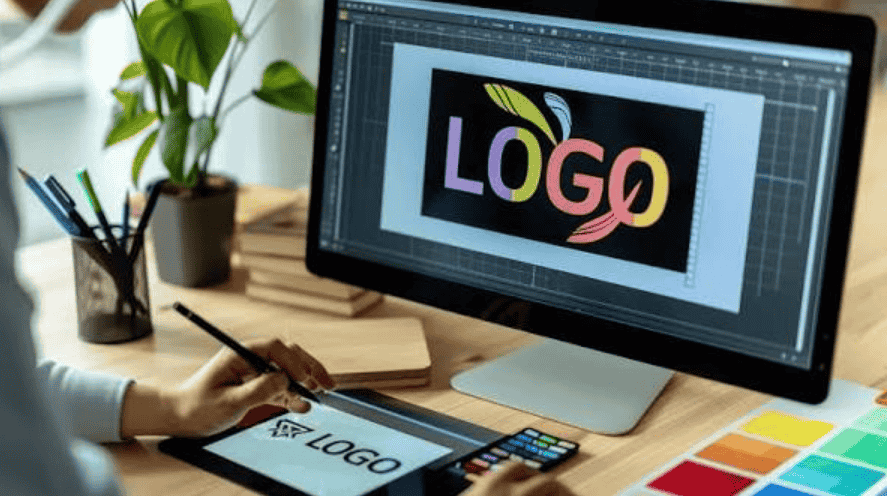
The practical shift shows up in the way Design Tools Made Simple are built. smart features support the creative process through Drag-and-drop interfaces, letting users position elements quickly while pre-designed templates serve as proven starting points. On stronger platforms, AI-powered suggestions recommend color schemes, layouts, and other adjustments based on preferences and industry patterns. Good Templates and extensive libraries do not replace judgment, but they can help users customize a mark to fit brand personality while a quiet digital design assistant nudges better ideas.
There is also a genuine middle tier between toy apps and fully manual suites. Canva still leads on easy-to-use interface and template collection, and the Pro version adds premium templates, custom fonts, and brand tools. For users who want more exact vector behavior, Affinity Designer 2 and CorelDRAW expand into advanced vector editing capabilities. That is the current Power Meets Simplicity sweet spot: ease of use, professional capabilities, clean, straightforward interfaces, less overwhelm for new users, and quick concept refinement. Even Logo.im shows how custom logo concepts, a brand name, simple editing tools, and a quick path to professional results can help business owners reach quality branding without a big time investment. The same logic explains Features for Non-Designers like Intuitive Editors, Template Libraries, AI Design Assistance, and Export Options for web and print use.
How should you choose logo software without overspending?
You should choose logo software without overspending by matching the cost structure to your actual workflow, licensing needs, and revenue model.
Too many buyers start with feature envy instead of procurement logic. selecting the right logo design software means comparing current needs against future goals and treating the purchase as a thoughtful investment, not a mood-based tool switch. The smart view includes upfront costs, probable brand growth, and whether the platform actually delivers real value within your budget. In other words, tool economics should follow work patterns, not internet hype.
The first filter is Understanding the Value Proposition. Different products bring distinct advantages through a specific feature set and pricing model. Logo.im offers free access to essential design tools with minimal initial investment, which is useful if you want to experiment with logo concepts in a risk-free way before a paid solution. Premium platforms like Canva use a tiered approach through paid plans, brand kits, premium templates, and custom font uploads that support consistent branding across multiple channels. By contrast, Professional-grade options such as Adobe Illustrator and CorelDRAW justify steeper learning curves and higher costs only when you need precision tools, serious designers’ workflows, advanced vector editing, and solid color management.
The second filter is payback. worthwhile investments are measurable through Evaluating ROI in Logo Design Software. A real return on investment or ROI can come from freelancers expanding service offerings, income potential, and design agencies improving output through Adobe Creative Cloud subscriptions, efficient workflows, and tighter client projects. That is where bottom line, productivity, expanded capabilities, and new revenue opportunities matter more than the sale page.
The third filter is what procurement teams often ignore: Hidden Costs and Licensing. The advertised price is not the full cost of ownership when commercial usage rights, stock assets, feature upgrades, or awkward licensing terms block merchandise and marketing materials later. I have seen more money lost to costly surprises and ignored terms of service than to premium subscriptions. Finally, Building a Scalable Toolkit matters once a business expands. Your design requirements will scale up, and a path from beginner software to Illustrator as a brand matures creates a natural progression that avoids overinvesting during limited initial budgets.
Which hidden logo software features actually matter in daily work?
The hidden features that matter most in daily logo work are the ones that remove repetitive friction, protect consistency, and save revision time.
The surface pitch around templates is less important than the operational layer. In real usage, hidden features separate power users from frustrated beginners, and those differences usually live in settings menus rather than hero banners.
- Smart Resize: one design can be automatically adapted across 20-plus platform formats in seconds, which matters when Canva or Adobe Express must support a full content batch in two hours on a content day.
- AI Background Remover 2.0: the 2025 and 2026 versions of background removal tools handle complex edges, hair, fine jewelry, transparent product packaging, and glass better than a 2022 version that often created digital cheese.
- Brand Voice Consistency Checker: this genuinely new layer can flag off-brand fonts and colors against a saved brand kit, acting like spellcheck for visual identity and likely becoming standard within 18 months.
- Design Version History: returning to a saved point in current work after an accidental click prevents a bad afternoon and keeps a campaign workflow stable.
The same principle applies to process discipline. The most efficient path I see is Build, Set Up Brand Kit, Lock Template Elements, then Export as a Pack. Designers who skip this usually end up with each piece of content looking slightly different. A proper Brand Kit setup takes about 20 minutes, but it pays back on every single project.
How do you get more out of logo design software once you have it?
You get more out of logo design software by mastering the features that affect scale, consistency, collaboration, and output quality.
Owning strong tools is not the same as using them well. The teams producing outstanding logos usually understand the right software deeply enough to master its capabilities and turn them into repeatable professional results. That starts with Leveraging Advanced Features rather than staying at a template surface.
The technical foundation is still vector editing. It supports the foundation of infinitely scalable designs that remain crisp at any size. Alongside that, color management tools using CMYK, Pantone, and RGB help maintain consistency across print and digital media. Typography tools also matter more than people admit: precise control of text elements, including kerning, tracking, leading, and spacing, determines whether typographic logos feel premium. File handling matters too, because industry-standard file formats like AI, EPS, SVG, and PDF make it easier to pass designs to clients and printers.
The second gain comes from process. Streamlining Your Workflow is often less glamorous than concept work, but it compounds faster. optimizing your process, protecting productivity, and using automation features for repetitive tasks leaves more time for creative work. That may mean resizing logos for different platforms or generating color variations automatically. It also means building habits for team operations through strong collaboration tools, shared workspaces, version control, real-time feedback, and the ability to work together without destroying source files.
The third gain is ecosystem logic. Integrating With Your Creative Ecosystem means connecting creative tools through reliable file transfers and stable programs so consistency survives the handoff. If Adobe Illustrator, Photoshop, and InDesign all play a part, the real value is the continuity between them. That becomes even more important when planning for future needs, space to grow, more complex projects, and fewer painful episodes of switching platforms.
What should beginners use and what should professionals use?
Beginners should use simple tools that shorten the learning curve, while professionals should use software that supports scalable vector output, collaboration, and automation.
The honest answer is that the best tool always depends on the stage of the design journey. In the If You Are Just Starting Out phase, Canva Free and Adobe Express make sense because they have generous free tiers, intuitive interfaces, and enough templates to stay productive without a punishing learning curve. I usually tell new users to judge three things only: template customization speed, how easily they can undo mistakes, and whether the mobile app includes the same core features as the desktop version.
A beginner should also avoid needless friction. If a platform requires plugin installation just to export a basic PNG, it is a poor fit for the beginner stage. Professionals, on the other hand, operate in a different evaluation model.
In the If You Are a Professional or Running an Agency tier, the Figma plus Affinity Designer combination remains a strongest stack for 2026 because it supports professional output, team collaboration, client handoff, component libraries, and clean precision in print-ready vector work without a heavy monthly subscription fee cutting into project margins. For agency-level users, the differentiator is usually API integration capability. automated design pipelines, once treated as a developer conversation, now matter to Marketing teams using API-connected workflows to produce hundreds of ad variants from one master design. That is where the professional market is heading.
Which free logo design tools are worth using?
The free logo design tools worth using are the ones that clearly match your skill level, export needs, and amount of creative control.
A free tool is useful only when its limits are obvious before the project starts. Some free platforms are faster, some are more flexible, and some exist mainly to feed you into an upgrade.
Free tool
Best fit
Platform / access
Standout angle
Canva
Free / Beginner
In-browser
User-friendly drag-and-drop interface
LogoMakr
quick first-time use
browser
Blank canvas option, watermark-free downloads
Wix Logo Maker
guided generation
browser
AI-powered logo generator
Looka
AI-first ideation
browser
logo concepts from prompts
HubSpot’s Brand Kit Generator
basic startup branding
browser
create custom logos, icons, colour palettes
Adobe Express
quick branded assets
browser
create animated logos
DesignEvo
template exploration
browser
Over 10,000 customizable templates
Hatchful
founder-friendly packs
browser
Free social media assets included
Ucraft Logo Maker
more manual freedom
browser
Vector editor enables you to create from scratch
Inkscape
advanced free vector work
Windows, Mac, Linux
Full creative freedom, vector graphics editor
The real decision is not “free or paid.” It is whether the tool’s constraints are acceptable for the kind of mark you need to ship.
Is Canva Free good enough for logo design?
Canva Free is good enough for logo design when the goal is speed, accessibility, and simple branded output rather than full vector precision.
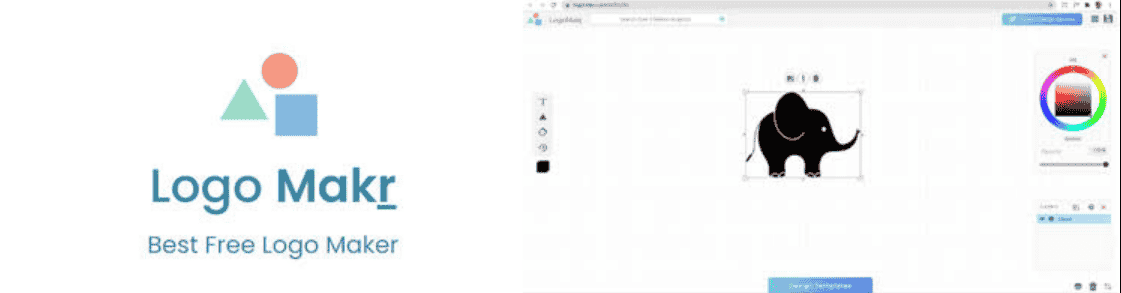
The interesting comparison is not against enterprise software but against other entry tools. LogoMakr is completely free, and as an online logo design tool it serves novice designers who want to work quickly and with ease. The interface gives access to a library of customizable templates, graphics, and fonts, but also lets you start from scratch on a blank canvas and export in a desired format like PNG or SVG.
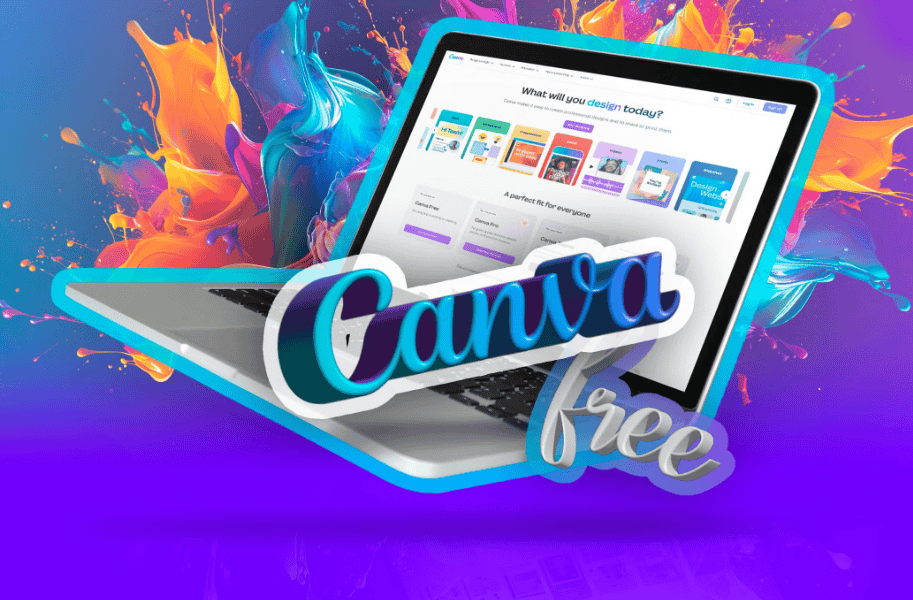
For Beginners and non-designers, that matters because the web browser workflow reduces setup, and no account is required to access a vast template base with extensive customization options. One of LogoMakr’s strongest practical benefits is logos without a watermark, even at no cost. The compromise is creative depth. Relying on ready-made templates can make an identity feel less entirely unique, and there is clearly limited creative freedom compared with paid logo design tools. In pure Price terms, though, Free without watermarks is still attractive.
Is LogoMakr a practical free logo maker?
LogoMakr is practical when you want a faster blank-canvas starting point than most template-led free tools.
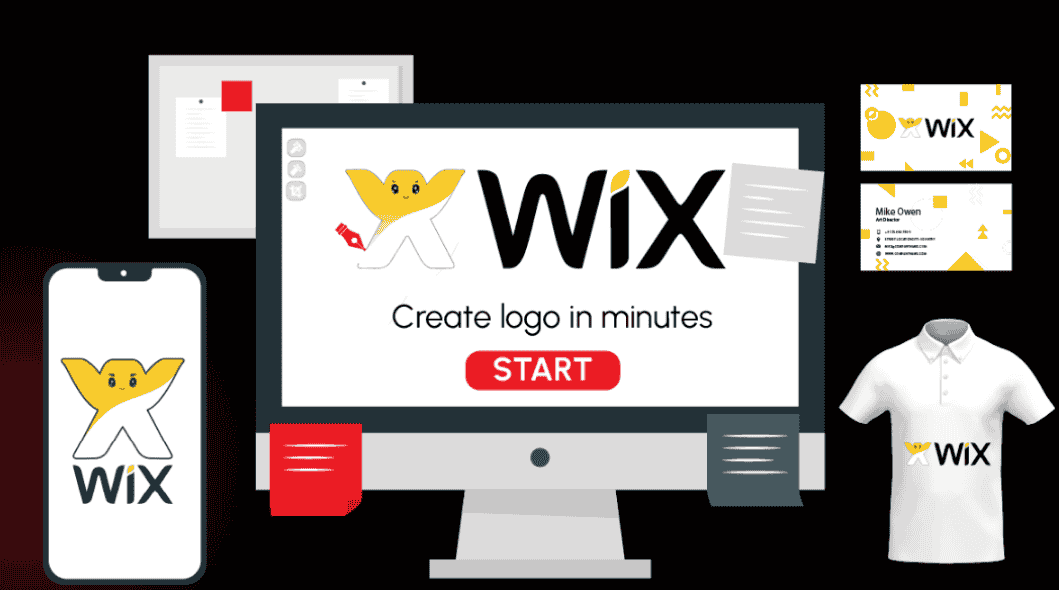
The reason is easier to see when contrasted with Wix. Wix began as a website-building and hosting platform, but its free logo tool uses an AI-powered logo generator model that asks you to answer a few questions about the brand and then turns that into a customizable design in minutes. For users who need logo inspiration, it also helps to filter by industry, style, and color through an extensive gallery of logos created by other Wix users.
For Beginners and non-designers, the online web browser workflow is painless, and you really can Generate a logo in minutes based on brand values and a preferred style. There are decent customization options, and you can download high-quality PNG and SVG files. The tradeoff is that a logo generator is not the same as a logo design tool. That means limited creative freedom, reliance on what the AI learned from existing logos, and occasional issues with trend-following over originality. On Price, it remains Free.
Is Wix Logo Maker useful for fast logo creation?
Wix Logo Maker is useful for fast logo creation if you are comfortable trading originality for guided speed.
That tradeoff becomes clearer next to simplify-first tools like the free version of Looka. With Looka, the logo design process begins by entering a brand or company name, selecting an industry, choosing some logos, setting logo colors, adding a brand slogan, and letting AI generate a selection of logos from your input. From there, users can customize a favorite design with the editor tool.
For Beginners and non-designers, the attraction is obvious: it is in-browser, with no download and no installation. As an AI-powered logo generator, it can produce a logo in minutes, and a careful pass can still make the result look unique. The practical advantage many users notice first is No Looka watermark on downloaded files. The tradeoff remains familiar: limited creative freedom, reduced design flexibility versus a more professional editor, and the reality that many paid logo design tools still outperform it once you want additional brand assets or deeper control and decide to upgrade. The Price entry remains Free.
Is the free version of Looka worth trying?
The free version of Looka is worth trying if you want AI-first ideation before committing to a more flexible editor.
The best way to frame Looka is not as a full system but as a speed layer. That becomes obvious when you compare it with HubSpot’s Brand Kit Generator, another free online tool aimed at businesses and individuals who want cohesive, professional brand identities built almost effortlessly. HubSpot can generate logos, color palettes, and direction for users without advanced design skills or expensive software, often beginning with just a business name and some typography preferences.
That makes it practical for non-designer solopreneurs, small startups, and teams building around MVPs. A user can select typography, generate colour palettes, edit the logo, and download it for personal use. In terms of Skill level, it maps well to Beginners and Solopreneurs. Because it is a web-only tool, it stays accessible from any web browser, stays free to use, and works quickly for limited budgets that need downloadable brand assets in a simple environment built for non-designers.
The limitations are equally visible. There are limited customization options, outputs can feel generic or basic, and it is not ideal for a unique, more professional brand identity. It is strongest for very basic branding needs, not as a substitute for custom design work by professionals. The reliance on pre-made templates and preset styles defines the ceiling, even if the Price is Free to use.
Is HubSpot’s Brand Kit Generator useful for basic branding?
HubSpot’s Brand Kit Generator is useful for basic branding when the goal is fast brand starter assets rather than deep logo craftsmanship.
If you want a little more polish from a free maker, Adobe tools offer a more familiar ecosystem. The staple status of the graphic design world carries into logo design, and the Adobe Express free logo maker can instantly generate high-quality logos for digital and print. The process is deliberately simple: enter your brand or business name, choose a style that resonates with your vision, pick a free icon, add to your logo, customize, and download the result for free.
That makes it a good entry point for users at Skill level Beginner who prefer an online browser workflow. You can Generate a logo in minutes, there is no design expertise required, and the user-friendly platform plus integrated logo editor make it easy to extend the asset into animated logos or short videos.
The catch is structural rather than cosmetic. Adobe Express is still a logo generator, not a fully-fledged design tool. You cannot truly design a logo completely from scratch, and the reliance on templates and generated suggestions can make a unique logo harder to secure. Still, the Price remains Free, which is why it is often a smart trial layer before moving to heavier software.
Is Adobe Express a solid free logo maker?
Adobe Express is a solid free logo maker for fast branded concepts, especially if you already like Adobe-style workflows.
For template depth alone, DesignEvo deserves attention. DesignEvo is a free online logo maker with over 10,000 templates, and it also allows a blank layout approach where you can add preferred shapes, fonts, symbols, and colors until you are happy with your logo design and ready to download a free low-resolution PNG version.
The tool suits Skill level Beginners and non-designers, especially if you want a browser-based logo design tool with an Easy, intuitive user interface. The number of customizable logo templates is the main appeal, and the blank canvas option adds some design flexibility.
The limit is export quality. The Free version does not give you scalable vector versions, so you usually need to upgrade for serious production use. That is why it still feels like a basic logo design tool with limited functionality and constrained creative freedom, even though the Price is Free.
Is DesignEvo useful if you want template variety?
DesignEvo is useful if template range matters more to you than vector output or full creative control.
For founder-led speed, Hatchful is a stronger comparison than many people expect. Hatchful is a free logo design tool from Shopify, built for entrepreneurs on the go who may have little design experience or technical expertise. Like other guided generators, you answer a few questions about the brand, and it can generate a customizable logo design quickly.
The product is strong on convenience: a user-friendly interface, hundreds of templates, high-quality downloads, and a path to a professional logo in next to no time. In terms of Skill level, it suits Beginner users who work online in a browser, want something easy to learn, easy to navigate, and able to Generate a logo in minutes with no design expertise. The extra draw is Free high-resolution social media assets.
The limit is familiar across template-based logo generators. creative freedom and control stay reduced, and while Templates are editable, customization options can vary. That said, the Price is still Free, which keeps it relevant for solo operators testing identity directions.
Is Hatchful good for quick entrepreneurial branding?
Hatchful is good for quick entrepreneurial branding when speed and ready-made social assets matter more than originality.
If you want a bit more manual handling than Hatchful allows, Ucraft changes the equation. Ucraft is a drag-and-drop website builder with a free logo maker tool, and unlike many other free tools it includes a vector editor. That alone gives much more creative freedom than a typical premade template system when creating a logo.
The experience does require some design know-how, although the interface remains extremely user-friendly. In Skill level terms, it fits Beginner to intermediate users and Works in-browser. A real benefit is that you can download your logo design without a watermark, which helps when testing identity directions with clients or teammates.
There are still limits. Ucraft doesn’t include premade templates, so it is less suitable for complete beginners who want instant structure. If you need a scalable SVG format, you may need to pay. But on Price, the starting point is still Free, which makes it useful for people who want a little more flexibility.
Is Ucraft Logo Maker better if you want more control?
Ucraft Logo Maker is better if you want more control than template-first free tools usually provide.
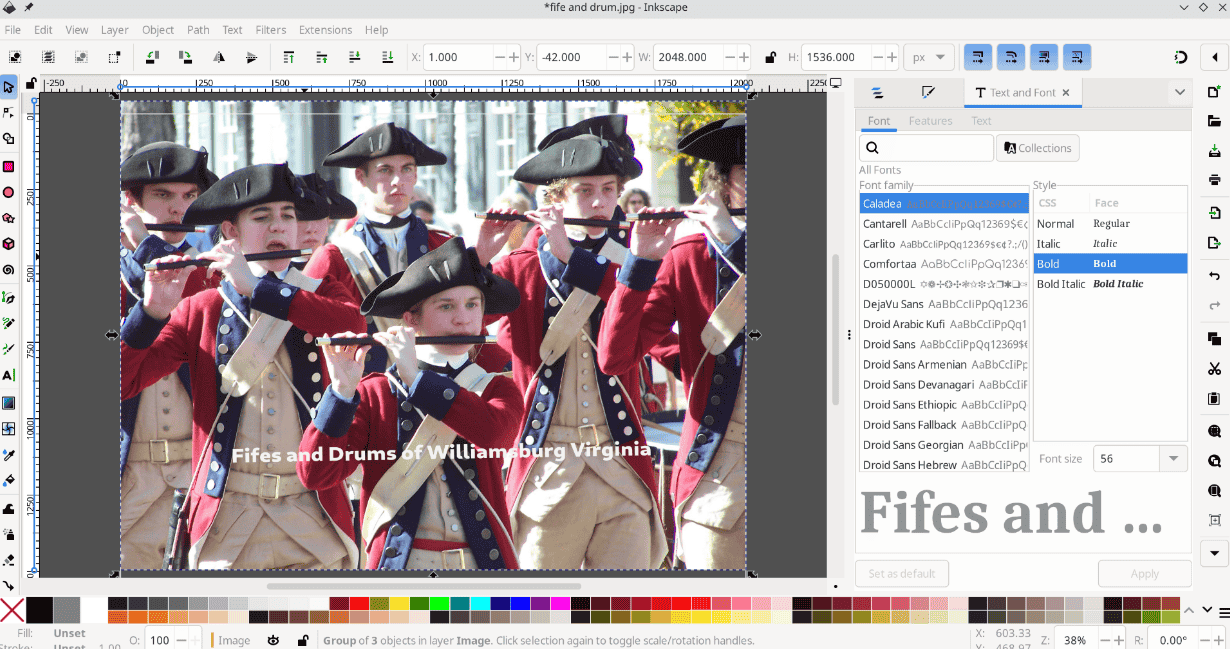
At the fully open end of the free market, free, open-source tools still matter. vector graphics editor options like Inkscape remain among the most practical budget-friendly alternatives to Adobe Illustrator because they let users create custom logos from scratch and scale them without losing quality. That combination of full creative freedom and design flexibility makes Inkscape a worthy contender for users who care more about raw capability than a polished onboarding flow.
In terms of Skill level, it belongs in the Intermediate to advanced tier and runs on Windows, Mac, Linux operating systems. It supports scalable logos, works across main operating systems, and gives a serious free route into vector construction.
The tradeoff is accessibility. It is not ideal for beginners or design novices, and there are no templates available to soften the learning phase. Even so, the Price remains Free, which is why many practitioners still keep it installed.
Is Inkscape the best free option for full design freedom?
Inkscape is the best free option for full design freedom if you are comfortable learning a true vector environment.
Once you move beyond free tools, the conversation becomes less emotional and more operational. The paid field covers guided systems, vector suites, and hybrid tools with deeper export, branding, and production capability.
Which paid logo design tools are worth paying for?
Paid logo design tools are worth paying for when they save enough time, improve output quality, or unlock capabilities free tools cannot provide.
A paid shortlist is easier to judge when you compare role fit directly.
| Paid tool | Price / access | Skill level | Best reason to pay |
| Adobe Illustrator | From $20.99/month | Intermediate to advanced | Powerful vector graphics editing |
| Affinity Designer 2 | $69.99 for Mac or Windows, $19.99 for iPad | Intermediate to advanced | Affordable and versatile vector graphics |
| CorelDRAW | $22.42/month or $269/year | Intermediate to advanced | Advanced typography features for text-based logos |
| Logo Design Studio Pro | From $69.99 | Beginner to intermediate | Template-based logo design with great customisation options |
| Adobe Photoshop | Platform-wide on Windows, Mac, iOS, Android | Intermediate to advanced | Raster-based design tool for limited-use logo tasks |
| Canva Pro | From $119.99/year | Beginner | Easy drag-and-drop interface plus customisable Brand Kit |
| Looka Enterprise | From $96/year | Beginner | AI-powered logo generator with full Brand Kit |
The core test is not whether a paid tool feels premium. The core test is whether it gives you better production leverage than a free tool in the exact kind of logo work you do.
Is Adobe Illustrator still the benchmark for logo design?
Adobe Illustrator is still the benchmark for logo design when precision vector construction and scalable brand output matter more than ease of entry.
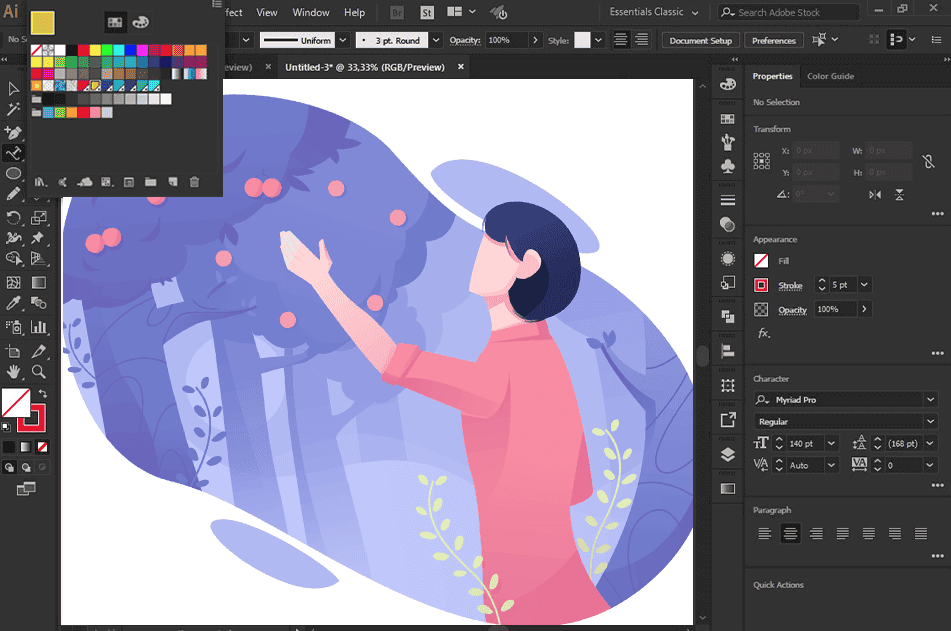
That status comes from fundamentals, not nostalgia. high-power vector graphics tool alternatives exist, but Affinity Designer 2 only makes sense as a “strong competitor” because Illustrator set the standard. If your work depends on a unique, production-safe quality logo, Illustrator’s logic still shapes expectations around pixel preview mode, live view, each editable design element, clean export, and the freedom to manage an unlimited number of artboards with serious time-saving functions and advanced features.
Professionals also still judge tools by workspace depth. A robust system with Windows, Mac, and iPad support, Fully-featured vector and raster workspaces, and maximum creative freedom keeps multiple delivery contexts alive. The subscription model remains a dividing line, which is why designers compare it with tools offering No subscription required or one-time payment pricing. But the reason Illustrator survives those comparisons is not branding; it is how consistently it handles High quality logo output for digital and print work.
The downside remains real. It can feel less budget-friendly than other paid tools, and some teams move because they want a free trial longer than 30 days, or they dislike heavy monthly commitments. Still, anyone serious about vector work eventually measures other editors against Adobe Illustrator, whether they are on MacOS, Windows, or iPad workflows, and whether they care about feature-rich control more than comfort for beginners not yet familiar with vector graphics editing.
Is Affinity Designer 2 the smartest Illustrator alternative?
Affinity Designer 2 is the smartest Illustrator alternative for many users because it offers strong vector and raster control without a recurring subscription.
What makes that argument credible is where it overlaps with CorelDRAW rather than where it copies Illustrator. CorelDRAW works as an all-purpose graphic and logo design tool, and the CorelDRAW suite behaves like a set of graphic design tools rather than a single narrow editor. That matters if your work combines vector illustration, layout design, photo editing, and typography in one environment.
For logo work specifically, the tool covers the essentials: vector graphics editing, typography management tools, and solid collaboration features. Corel tends to win when a team values text craft and structured updates, because the company keeps updating the product to widen functionality. In day-to-day use, that translates into Vector-based design, fully scalable assets, high quality logos, and Advanced typography features that suit text-based logos, wordmarks, and lettermarks particularly well.
The limits are practical, not philosophical. There is a comprehensive library of learning resources, but the cheapest package comes with limitations around file exports, including no PDF export in some tiers. It is also not the most user-friendly package for casual users, and the steep learning curve is real. Still, for an annual subscription around $22.42 per month or $269 per year paid upfront, plus a 15-day trial, CorelDRAW remains a serious contender for identity work.
Is CorelDRAW a strong choice for logo and typography work?
CorelDRAW is a strong choice for logo and typography work when text handling matters as much as vector accuracy.
That becomes even clearer when you compare it with middle-tier software like Logo Design Studio Pro. Logo Design Studio Pro is a logo design software package for Windows that focuses on custom vector-based logos through ready-made templates and reusable objects. It is not as open-ended as a top vector suite, but it offers practical craft tools, especially the bezier editing function, which lets users customize shapes, text, and objects with a fair amount of control over logo colors.
For teams that need moderate design flexibility without committing to heavier vector graphics editors, the appeal is obvious. It delivers precise customisation beyond most free template-based tools and works as a good middle ground for novice designers and business professionals. In terms of Skill level, it fits Beginner to intermediate users who want crystal-clear quality at any size without building everything manually.
Its strengths are concrete: Precise drawing tools, full-color control, extensive customization, and Over 2,000 logo templates. The main limitation is that it is Only compatible with Windows, and it still falls short of the broader freedom found in Adobe Illustrator, Affinity Designer, and CorelDRAW. For Price, it starts at $69.99 for the Standard Edition and rises to $149.99 for the Platinum Edition.
Is Logo Design Studio Pro a useful middle-ground option?
Logo Design Studio Pro is a useful middle-ground option if you want more control than free generators but less complexity than full vector suites.
That middle-ground role matters most when buyers are tempted to use image editors for identity work. Adobe Creative Cloud suite products can look interchangeable from the outside, but Photoshop is primarily used for photo editing, even if it can also serve as a logo design tool. The issue is structural: Photoshop is a raster graphics tool, so images, logos, and source files are built from pixels.
That makes Photoshop not ideal for marks that need to be scaled up and down across different use cases, because they can lose quality. If you only need a single logo for limited use, Photoshop can still be a good option, especially for designers already fluent in the interface. In Skill level terms, it sits at Intermediate to advanced and runs across Windows, Mac, iOS, and Android.
Its strengths are familiar: Full creative freedom, the ability to design your logo from scratch, and the convenience of opening and editing certain vector assets even within a raster-based program. Its weakness is just as clear: logos created will not be scalable, and the steep learning curve remains if you are not already familiar with Adobe tools. Pricing also mirrors the Creative Cloud model with a free 7-day trial, then $20.99 per month on an annual plan, or $54.99 per month for the entire Creative Cloud suite.
Should you use Adobe Photoshop for logo design?
You should use Adobe Photoshop for logo design only when the logo will stay in limited raster use and you already understand the tradeoffs.
A better paid choice for many non-design teams is a platform that extends into brand operations. Canva already appears in every round-up of the best free logo design tools, but the Pro version changes the value calculation if your budget allows additional premium features. Canva Pro gives access to exclusive templates, icons, images, and the option to upload custom fonts, which means more control over the final design.
The stronger operational advantage is the customizable Brand Kit. Teams can save your brand colors, fonts, and different logo versions for consistency across platforms, which matters more than raw drawing power for many businesses. At Skill level Beginner, because it works in-browser, Canva Pro still feels accessible. The User-friendly drag-and-drop interface means no design know-how required, while paid access can unlock tons of premium features and elements that support a more unique logo design and stronger design consistency.
The limitation has not changed just because the subscription is paid. Canva Pro offers more possibility for customization than the free version, but it is still a template-based tool, and against a true vector graphics editor tool, its creative freedom remains narrower. Pricing typically includes 30 days to test, then $119.99/year for one user, or Canva for Teams at $300/year for the first five users.
Is Canva Pro worth paying for logo work?
Canva Pro is worth paying for logo work when brand consistency, template speed, and team reuse matter more than full vector authoring.
For teams leaning harder into automated identity generation, Looka is a different kind of purchase. The step up to Looka Enterprise adds valuable extras around a familiar AI-powered logo generator tool. If you use for free first and later upgrade, the paid version starts making sense when you need more than just one exported mark.
The added value comes from asset packaging. Users get unlimited changes, hi-res files, vector logo files, brand guidelines, business cards, letterheads, and over 300 ready-to-use branded assets. At Skill level Beginner, because it works in-browser, the tool stays accessible even for teams without deep design training. It is especially useful when you need High resolution vector logo files quickly and want to Make unlimited changes after the design delivered stage.
The limit is philosophical as much as technical. Looka still offers less creative freedom than a serious vector editor tool, and many skilled graphic designers will reject it because they want full control over the logo design process. The commercial structure is straightforward, though: two price plans, a Brand Kit Subscription at $96/year, and a Brand Kit Web Subscription with an AI-generated website at $129/year.
Is Looka Enterprise worth it for AI-led branding?
Looka Enterprise is worth it for AI-led branding if you value packaged brand assets and revision flexibility more than manual design control.
The more important question for most buyers comes after individual product reviews. selecting the right logo design software is really about matching a perfect tool to a creative project through careful consideration of specific requirements and business goals. I rarely see outstanding logos emerge from random tool loyalty; they appear when the software supports the exact pace and precision the team needs to work efficiently.
How do you pick the right logo design software for your needs?
You pick the right logo design software by matching the tool to your experience level, project complexity, budget, and preferred workflow.
Start with Assessing Your Design Needs. Your experience level should be the first consideration. If you are new to design, a more intuitive platform with a gentle learning curve is usually the right entry. experienced designers often need advanced features and precise control instead. That is why beginners frequently do well with user-friendly tools like Canva, while professionals may need the extensive capabilities of Adobe Illustrator. The same logic applies to the types of logos you build, whether they are simple text-based designs or detailed custom illustrations, because typical project complexity should influence the features you prioritize in software selection.
Then move to Balancing Features and Budget. cost matters, but it is rarely the only variable. free tools such as Logo.im can offer solid functionality for basic projects, while paid software tends to introduce additional capabilities that become essential once client expectations rise. The trick is deciding which premium features serve specific needs rather than paying for abstract potential.
Finally, Prioritizing Usability and Workflow is where long-term satisfaction lives. The interface, overall user experience, and your day-to-day productivity often depend on clear navigation, customizable workspaces, and helpful learning resources that genuinely save you hours of work. Confusing systems create confusing menus, awkward controls, and friction with an existing toolkit. By contrast, smooth file compatibility between programs protects consistent branding and reduces technical headaches across the creative process. That is why Making an Informed Decision matters more than chasing a universal winner: there is no universal best option, only the ideal logo design software for your skill level, typical projects, and workflow preferences.
How should you start designing a logo the right way?
You should start designing a logo by defining the logo type, then the visual direction, and only then choosing how to build it.
The practical route is simple:
- Define the mark type. Use the round-up of 18 best logo design tools only after you know what should suit your budget, skill level, and design objectives. First ask what next after idea gathering: are you creating a logo from scratch or using an AI-enabled logo generator? Then figure out the type of logo you need — a wordmark, lettermark, combination logo, or pictorial mark.
- Set the visual system. Choose the overall style, aesthetic, and brand personality before opening the editor. Decide how colour, imagery, and typography should behave so the logo generator or manual tool supports the same logo creation process from start to finish.
- Test the purpose. A strong logo needs a clear purpose. The great logo is unique, memorable, and timeless, and it must resonate with the target audience while supporting a strong brand identity.
That order matters because software can accelerate execution, but it cannot replace design judgment.
What is the best logo software for social media content creation?
The best logo software for social media content creation is usually Canva Pro or Adobe Express because both are optimized for fast platform-specific adaptation.
For day-to-day production, Canva Pro and Adobe Express are the strongest options because social media work in 2026 is less about drawing a master mark and more about building usable, adaptable assets. Both support platform-specific templates, are updated regularly, and include auto-resize tools that improve creative flexibility for daily content production.
The difference is operational. Canva often edges ahead for volume creators because of bulk export and scheduling integrations, while Adobe Express tends to feel tighter when you are already inside the Adobe ecosystem.
Which logo design software is truly free without hidden limits?
The logo design software that feels most truly free without hidden limits usually includes Canva Free, Adobe Express, and Figma’s Starter plan, but each still has practical licensing boundaries.
In pure access terms, Canva Free, Adobe Express, and Figma’s Starter plan are genuinely usable without a credit card. Each one supports PNG and basic export options at no cost, which is enough for many early identity tests.
The catch appears later. commercial licensing around stock assets can still push you toward a paid plan, so you need to check the asset terms before putting those elements into client work.
How do you know when to move from free to paid logo software?
You should move from free to paid logo software when the free tool stops matching the complexity, consistency, or licensing needs of your real work.
The trigger is usually not emotion; it is workflow pressure. Use free tools when you are learning workflows, building personal projects, or testing whether a platform fits your style. Those phases reward experimentation more than software investment.
Move later, not sooner. Move to a paid plan when you consistently need custom fonts, full brand kit features, bulk content exports, or commercial licensing for premium assets. A good upgrade usually pays for itself by the first paid client project.